
Last updated November 16, 2026
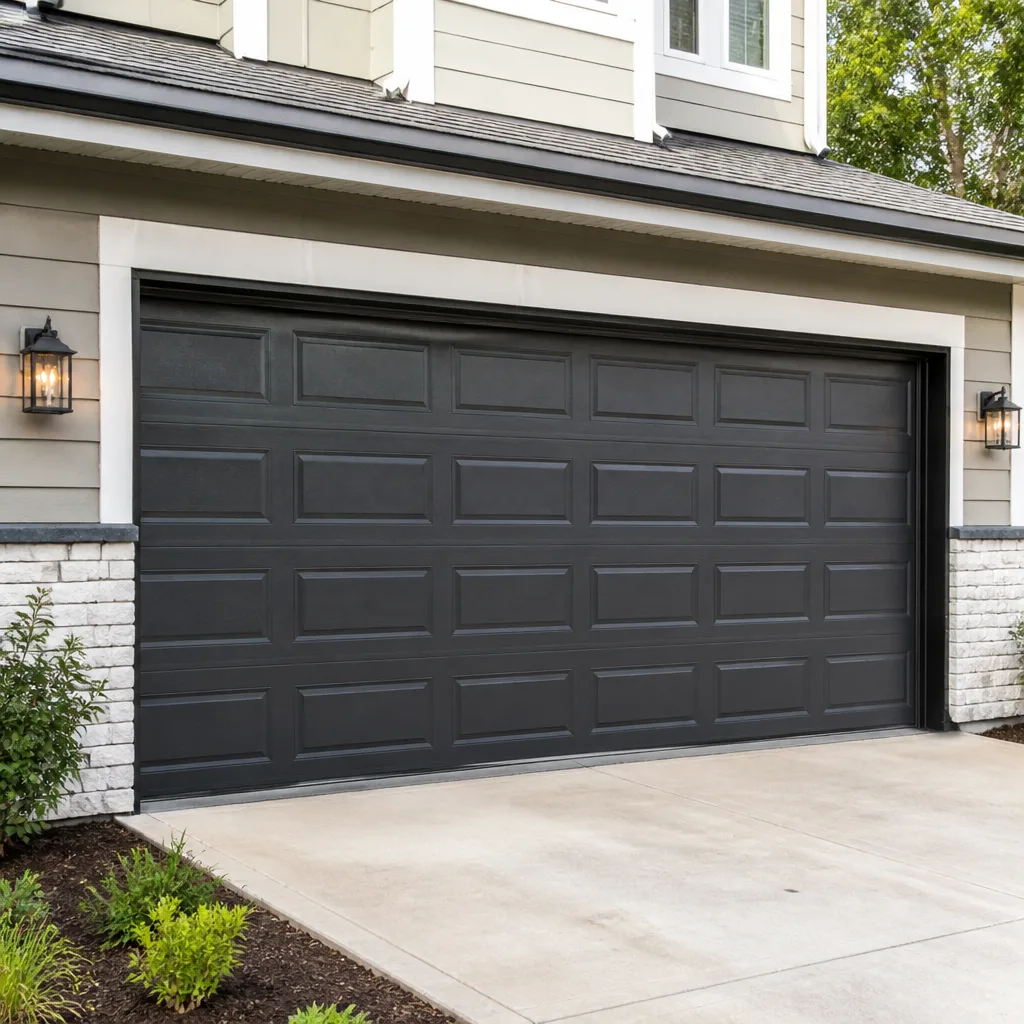 Raised-panel steel
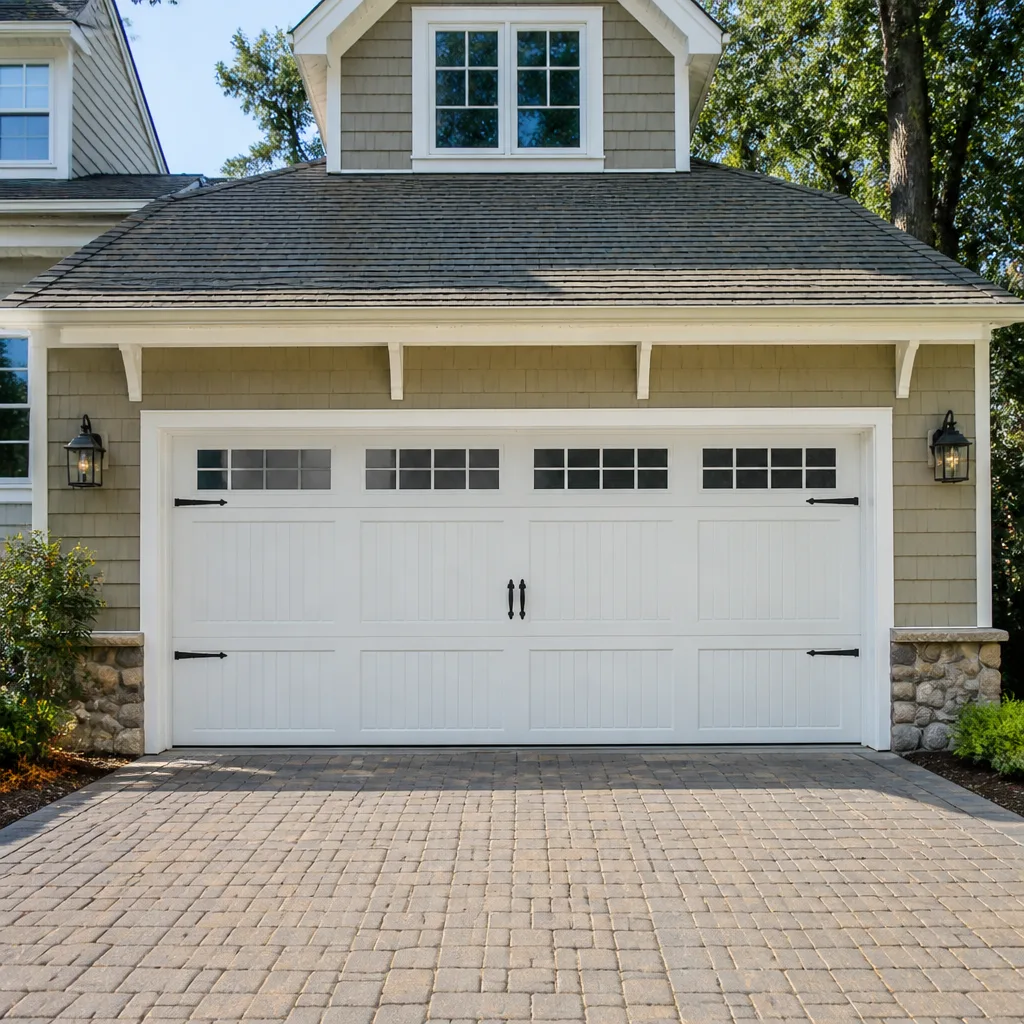 Carriage house
 Modern flush
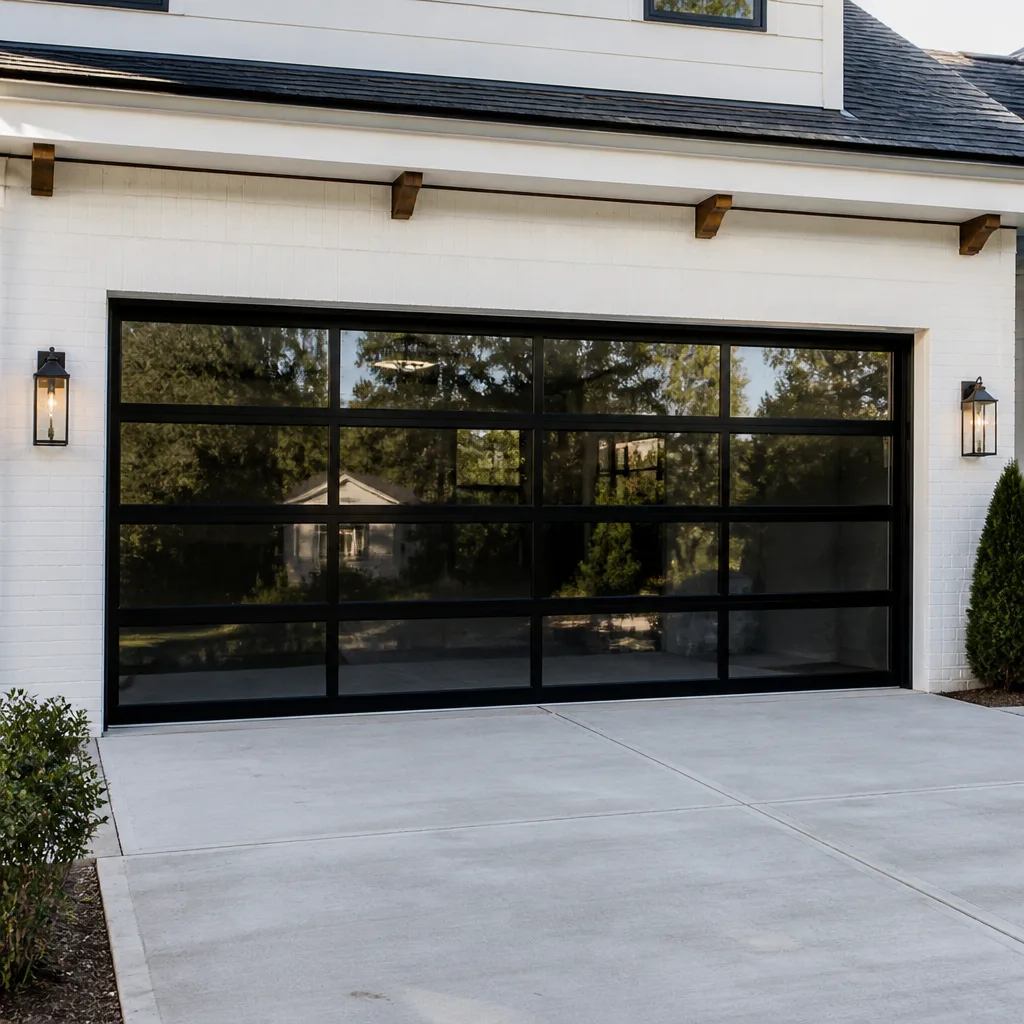 Full-view glass
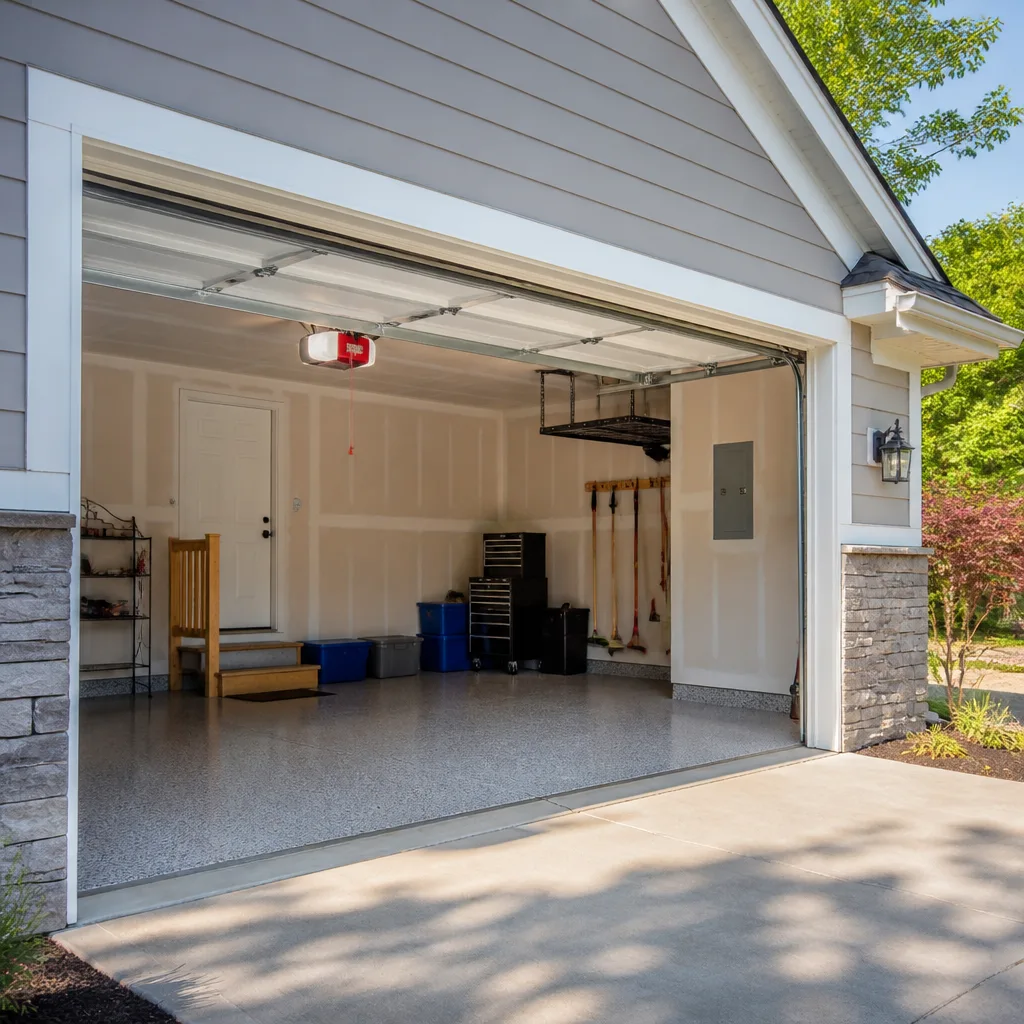 LiftMaster openers
 Chamberlain openers
Full 25-point door and opener safety check with every visit - springs, cables, rollers, tracks, and your LiftMaster or Chamberlain opener included
You get a price before we start. It does not change when the pro arrives.
Get your free estimateHow to Hire a Garage Door Contractor in Rockford: A Step-by-Step Guide
A five-star rating tells you a contractor is pleasant to deal with. It tells you almost nothing about whether they know the difference between a torsion and an extension spring system, or whether they’re about to install the wrong one on your door. That gap between “well-reviewed” and “technically competent” is where most hiring mistakes happen. Hiring the wrong garage door contractor in Rockford is easy because the warning signs are quiet, not loud. This guide is about closing that gap. You’ll learn the exact technical questions to ask, what a knowledgeable answer sounds like, how a real written estimate should read, what Illinois requires of contractors, and how to compare two quotes that look identical but aren’t. We’re a garage door specialist, so we have a stake in this. But the checklist below works no matter who you hire.
Quick Answer
To hire a garage door contractor in Rockford, verify three things before you talk price: that the company does garage doors as its primary trade, that it can explain your specific door’s spring and track system by name, and that it puts parts, brands, and model numbers in a written estimate. Ask what brand your door and opener are, what a torsion spring is versus an extension spring, and how they’ll confirm the repair when the truck rolls up. A contractor who answers all three specifically is worth a second conversation. One who deflects is not.
Styles & brands we work with
- Raised-panel steel
- Carriage house
- Modern flush
- Full-view glass
- LiftMaster openers
- Chamberlain openers
Table of Contents
- Why a Specialist Beats a Generalist
- The Technical Questions to Ask Before a Quote
- “We Work on All Brands” vs. Real Multi-Brand Expertise
- What a Legitimate Written Estimate Must Itemize
- Illinois Licensing and Insurance: How to Verify Before Work Begins
- How to Compare Quotes with Different Part Grades
- Rockford-Specific Checks for Your Garage Door
- The Full Hiring Process, Step by Step
Why a Specialist Beats a Generalist
A garage door is a balanced mechanical system with a spring, a torsion tube or extension springs, a set of tracks, a set of rollers, and an opener that has to work in sync with all of it. When something fails, the fix usually involves getting several of those pieces back in alignment, not just swapping a part. A generalist handyman or a multi-trade contractor may be excellent at a dozen things and still have seen your specific setup twice in a year. That’s the real risk: not that they’ll do bad work, but that they’ll misdiagnose a problem they don’t see often enough to recognize.
The trade depth shows up in small ways. A specialist knows that a frayed cable usually means a cable and a spring check together, because one wears the other. They know that a door that won’t close all the way can be a track bend, a roller off its stem, a sensor misalignment, or a limit switch on the opener, and they know how to narrow it down in minutes instead of guessing. Garage doors are all we do at Bramble Garage Door Repair, and the reason we care about the distinction as a hiring criterion is that it changes the quality of the diagnosis.
For Rockford homeowners, the practical version of this test is simple. When you call for a quote, ask what kind of system the house has. If the contractor treats that as a strange question, you’ve learned something. A specialist will ask it right back, because the repair path for a torsion system and an extension system is not the same.
- Ask if garage doors are the company’s primary trade or one of many services.
- Ask them to explain your door’s spring type without looking at it (they should ask what your door looks like).
- Ask whether the same company handles both the door mechanics and the opener, or hands one off.
- Listen for a diagnostic process, not just a price.
The Technical Questions to Ask Before a Quote
You don’t need to understand garage door mechanics to hire well. You need to ask questions that separate a specialist’s answer from a guess. A confident specialist appreciates the questions. A contractor who’s in over their head will get vague, change the subject, or reassure you that you don’t need to worry about it. Here are nine questions, and what a strong answer actually sounds like.
- What spring system does my door use, torsion or extension? A strong answer explains that torsion springs are mounted on a bar above the door and extension springs run along the sides, and that the two require different replacement parts and safety setups. A weak answer says “we’ll see when we get there.”
- Will you replace one spring or both? A strong answer explains that springs on the same door usually wear at the same rate and that a matched pair is often the smarter choice, but it should be your decision, priced clearly either way.
- What brand is my opener, and does that change what you’ll do? A strong answer asks for the make and model and confirms they work on it.
- What’s the part number or model on the estimate? A strong answer puts it in writing. A weak one says “spring replacement.”
- How will you confirm the fix before you leave? A strong answer includes a balance test, a travel limit check, and a safety reverse test.
- What could turn up that would change the price? A strong answer names a few realistic scenarios (a bent track, worn rollers, a failed opener gear) and how they’d price them, before starting work.
- Who actually does the work? A strong answer names the company’s own technicians, not a subcontractor.
- What happens if the same problem returns? A strong answer explains the company’s policy on a callback in plain terms.
- Are you and your people insured? A strong answer says yes and tells you how to verify it.
The thread through all of these is specificity. A specialist can answer them from habit. If you want to test what a real diagnosis looks like, you can request garage door repair in Rockford and compare the intake conversation with the questions above.
“We Work on All Brands” vs. Real Multi-Brand Expertise
Almost every garage door ad says they work on all brands. That phrase is not a lie so much as a shrug. The honest question isn’t whether a contractor will touch your Chamberlain opener or your Clopay door. It’s whether they keep the specific knowledge and parts knowledge for that brand close at hand, or whether they’re looking it up on their phone in your driveway. Multi-brand specialization is a specific skill: knowing how a Genie opener’s safety reverse behaves differently from a LiftMaster, or how a Raynor door’s track geometry maps to the standard hardware that fits. That kind of detail is not something you pick up on a generalist schedule.
At Bramble we work on eight of the most common residential brands: LiftMaster, Chamberlain, Genie, Clopay, Amarr, Wayne Dalton, Craftsman, and Raynor. The coverage is the whole point, not a feature to brag about. Most Rockford homes have one of these brands on the wall or above the car, so the contractor you hire most likely already has a working relationship with your equipment. That’s how we work on the brand you already have, rather than steering you toward a preferred line.
Here is how to test multi-brand claims before you hire.
- Ask which brands they work on and which they’d rather not. A specialist will name brands and admit limits rather than answer with “all of them.”
- Ask if they can service a brand you already own without recommending a replacement first.
- Ask if they’d repair a brand they don’t install. A brand-neutral repair approach shows up in how they answer.
- Ask how they diagnose an opener and a door together when the symptom could be either one.
That last question matters more than it sounds. Your opener and door work as one system, and a shop that only thinks about one half of it will often recommend the wrong repair. Chamberlain and LiftMaster openers, for example, are close cousins, but the adjustment and force settings differ enough that treating them as interchangeable costs time. If you’re troubleshooting a symptom that could live in either half, start with garage door opener repair and describe what the door and the opener are each doing.
What a Legitimate Written Estimate Must Itemize
A written estimate is where a specialist separates from a guesser, and it’s the single easiest document to audit. Print it, read it, and look for these eight items. If any are missing, ask before you approve the work. If the contractor can’t or won’t add them, that’s an answer too.
- Part description. Not “spring” but “torsion spring, 0.250 wire gauge, left side only” or whatever fits your door.
- Brand and model number. For springs, rollers, hinges, cables, or an opener. If the part is generic, the estimate should say so.
- Quantity. One spring versus a matched pair is a real cost difference, and the estimate should say which one you’re buying.
- Labor. Broken out or clearly bundled, but named.
- Brand compatibility. If an opener is being replaced, the estimate should state that the new opener is compatible with your door’s lift capacity.
- Any additional likely work, priced. If the technician expects to find a worn roller set, list it with a number so you aren’t surprised later.
- What’s excluded. Paint, trim, sensor wire runs, anything the estimate doesn’t cover.
- The full price, including tax or trip considerations. One number you can hold up when the invoice arrives.
Vague line items like “repair service” or “spring and tune” hide the part of the job most likely to change. That’s often not malicious. It’s what happens when a contractor is quoting a job they see once a month instead of once a morning. The written estimate is also where you confirm the price. On any repair we quote, the number is set before the work starts, and if the diagnosis changes mid-job, the price changes before we proceed, not after.
One more thing to look for on the estimate: the brand on your door. If it says Clopay and the contractor writes a generic “door spring,” ask which Clopay spring specs they’re matching. A door that shipped with a specific spring weight needs the same weight back on it, and a good estimate reflects that.
Illinois Licensing and Insurance: How to Verify Before Work Begins
Illinois does not license garage door contractors under a statewide trade license the way it licenses electricians or plumbers. That surprises a lot of Rockford homeowners, and it’s the reason the insurance check matters more here than in states with a specific trade license. What the state does require is that the business is properly registered as a business entity and that it carries liability insurance and workers’ compensation coverage for its employees. Those are the two facts worth confirming before anyone sets foot on your property. Local rules vary, so if you’re unsure what your city or county wants, ask the city’s building department directly.
Here’s how to verify before you book.
- Ask for a certificate of insurance. The certificate should name the company and show current liability coverage. You can ask the insurer on the certificate to confirm it directly, which is the standard way to catch a falsified certificate.
- Confirm workers’ compensation. If the company has employees, ask to see proof of coverage. This protects you if someone is hurt on your property.
- Confirm the business registration. Illinois business registration can be checked through the Secretary of State’s business search.
- Ask the office, not the technician. Paperwork comes from the office. A technician who “thinks they have a copy in the truck” is not the same as a company that can email you a certificate in a day.
- Get the name of the entity on the estimate. If the name on the estimate, the insurance certificate, and the business registration don’t match, ask why.
Insurance and business registration aren’t the same as certification. If a contractor claims a certification or license number, ask what agency issued it and look it up on that agency’s site. A real number is verifiable. An invented one isn’t. In our case, our technicians are experienced and licensed and insured at the company level, but we’d rather you verify than take a line on a website at face value. Run the same checklist on us.
How to Compare Quotes with Different Part Grades
Two estimates for the same job can look identical on the page and be completely different in the parts. That’s the hardest part of hiring, and it’s the reason a line-item estimate matters. Suppose two quotes both read “replace springs.” One may be pricing a standard-cycle spring, the other a high-cycle spring meant for a door that opens more often. One may replace one spring, the other both. One may include new rollers and balance the door, the other may not. Underneath the words, you’re comparing very different jobs.
Here’s how to align them.
- Match the parts spec, not the job description. Ask each contractor what the spring cycle rating or wire gauge is, and what brand of part they’re installing.
- Ask what’s included in the labor. A tune and balance is not the same as a full track and roller check.
- Ask whether the opener is being tested or replaced. If the door and opener are both in play, ask if the opener is part of the estimate or a separate line.
- Check the door’s weight class. A replacement opener that handles a 7-foot door isn’t the same as one rated for a heavier custom door.
- Ask what the warranty covers. Parts, labor, and time are separate warranties.
When the part specs line up, the price comparison is simple. When they don’t, the cheapest quote is often the one doing less. The rule of thumb we use on any quote is the same: compare the number for the same part. If a quote has to be adjusted to match, that’s normal and not a reason to walk. What’s not normal is being told two jobs are the same when the line items say otherwise.
Rockford-Specific Checks for Your Garage Door
Rockford’s climate is a real factor in garage door wear, and it’s the kind of local detail a generalist won’t build into their diagnosis. The freeze-thaw cycle through an Illinois winter works the door’s hardware constantly. Springs that are near the end of their life in fall often fail in the first cold snap, when the metal contracts and the door gets heavier. The same goes for rollers and hinges, which bind in deep cold and then wear unevenly once the thaw arrives. If your door gets sticky or loud in January and then quiets down in April, that’s not a quirk of your house. It’s the season doing its work on worn parts.
The other Rockford factor is the door itself. The housing stock across neighborhoods like the older west-side blocks, the riverfront and downtown areas, and the newer subdivisions in the east and northeast corridors means a mix of legacy doors and modern installs. A door that’s been on the same house for decades may be a Wayne Dalton system with an original opener, or a Craftsman setup that needs a specific part. That’s not a reason to replace the door. Most door problems don’t need a full replacement, and a specialist’s job is to say so when it’s true. If you’re looking for the right person to do a proper evaluation, Rockford has no shortage of options, so the checklist in this guide matters.
Ask any contractor you’re considering what they look for in a Rockford winter. A strong answer mentions springs, rollers, and hinge wear. A weak one says “we’ll see when we get there.”
The Full Hiring Process, Step by Step
Here’s the whole process in the order you’ll actually do it. Print this or screenshot it, and run it the next time your door acts up.
- Note the symptoms before you call. What does the door do (or not do), when, and where does it seem stuck? The more specific you are, the faster the diagnosis.
- Identify your brand and model. The serial sticker is usually on the door’s lower hinge plate or on the opener’s motor housing. Write both down.
- Call a specialist first. Confirm the company handles both the door and the opener and can work on your brand. Call (855) 758-5321. We answer 24/7. Fast dispatch from 7am to 7pm, Sunday through Friday.
- Run the technical questions above. Note which answers are specific and which are deflections.
- Request the written estimate. Don’t approve work until you’ve got parts, brand, model, quantity, and labor in writing.
- Verify licensing and insurance. Certificate of insurance, workers’ comp, business registration. Do this before work starts.
- Compare quotes on the same part spec. If a quote is missing detail, ask for it.
- Get the final price confirmed before the technician starts. If the diagnosis changes, the price changes before the work.
- Confirm the post-repair check. Balance test, travel limit check, safety reverse test.
- Keep the estimate and warranty papers. Note the date, the part number, and what the warranty covers.
The whole process takes less than an afternoon of phone calls and reading. What it saves you is the cost of a wrong diagnosis, a wrong part, or a wrong contractor.
Common Mistakes to Avoid
- Hiring on review count alone. A five-star average tells you a contractor is pleasant, not that they know your door’s spring type. Ask what you’d see on the sticker.
- Accepting a verbal quote. A verbal “we’ll fix the springs for X” is not a written estimate. Insist on the itemized version, especially in Rockford where a spring job often involves more than one part.
- Comparing prices across different part grades. If one quote is cheaper, it may be doing less. Align the parts spec before comparing numbers.
- Skipping the insurance check. Illinois doesn’t license garage door contractors statewide, so the insurance certificate is your main protection. Ask for it before the first visit.
- Letting a generalist handle a specialist job. A handyman can hang a shelf. A misdiagnosed torsion spring is a safety problem, and a specialist will catch the wear you didn’t know was there.
- Assuming “all brands” means real multi-brand knowledge. Ask which brands they work on and which they won’t. A specific answer is a good sign.
- Skipping the balance test. A door that’s fixed but unbalanced will chew through a new spring. Ask the technician to confirm the balance before they leave.
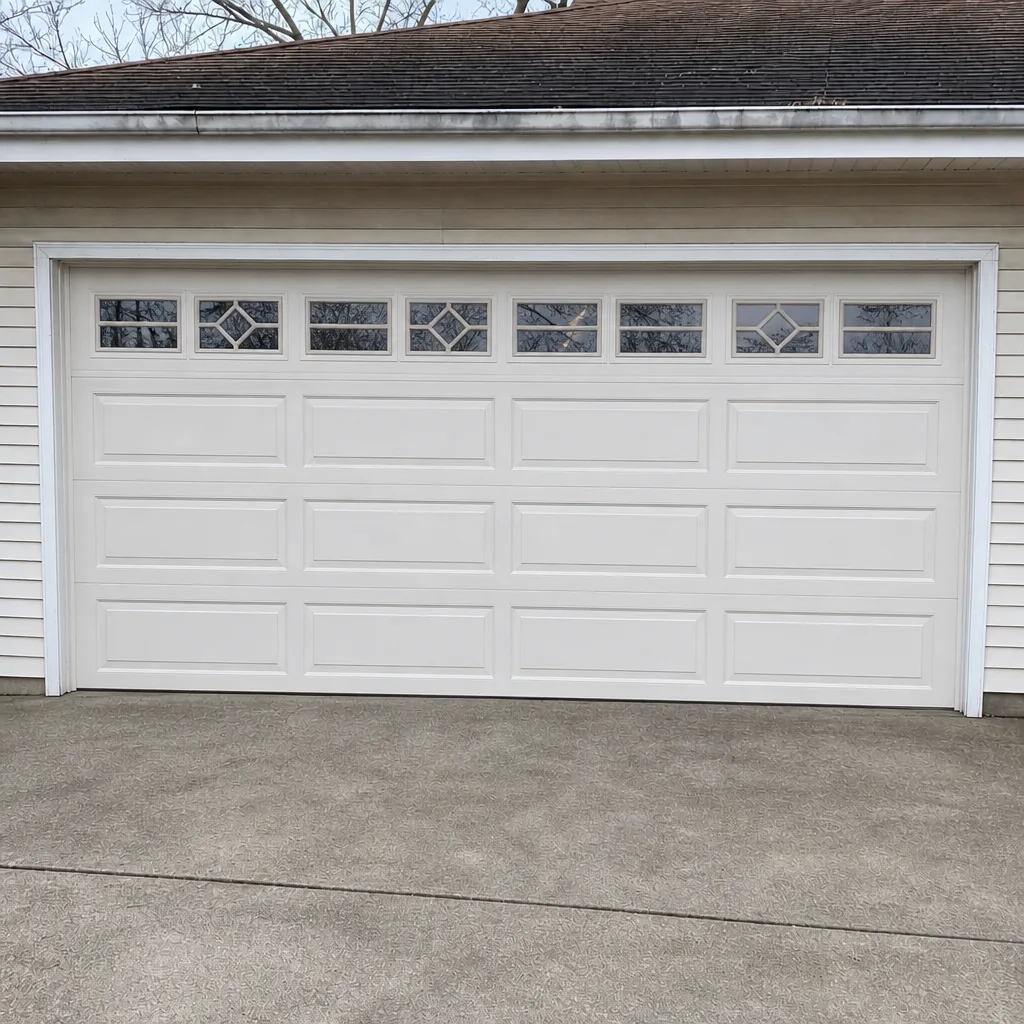
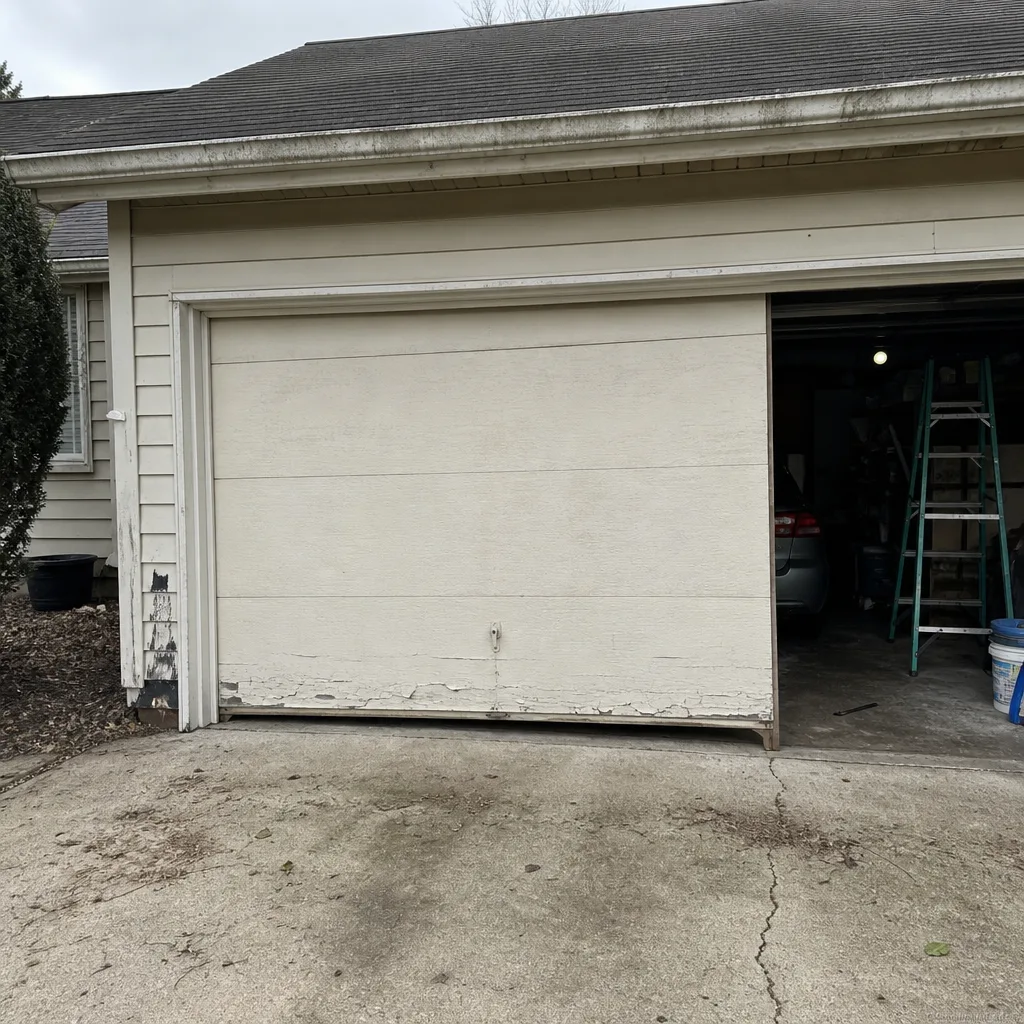
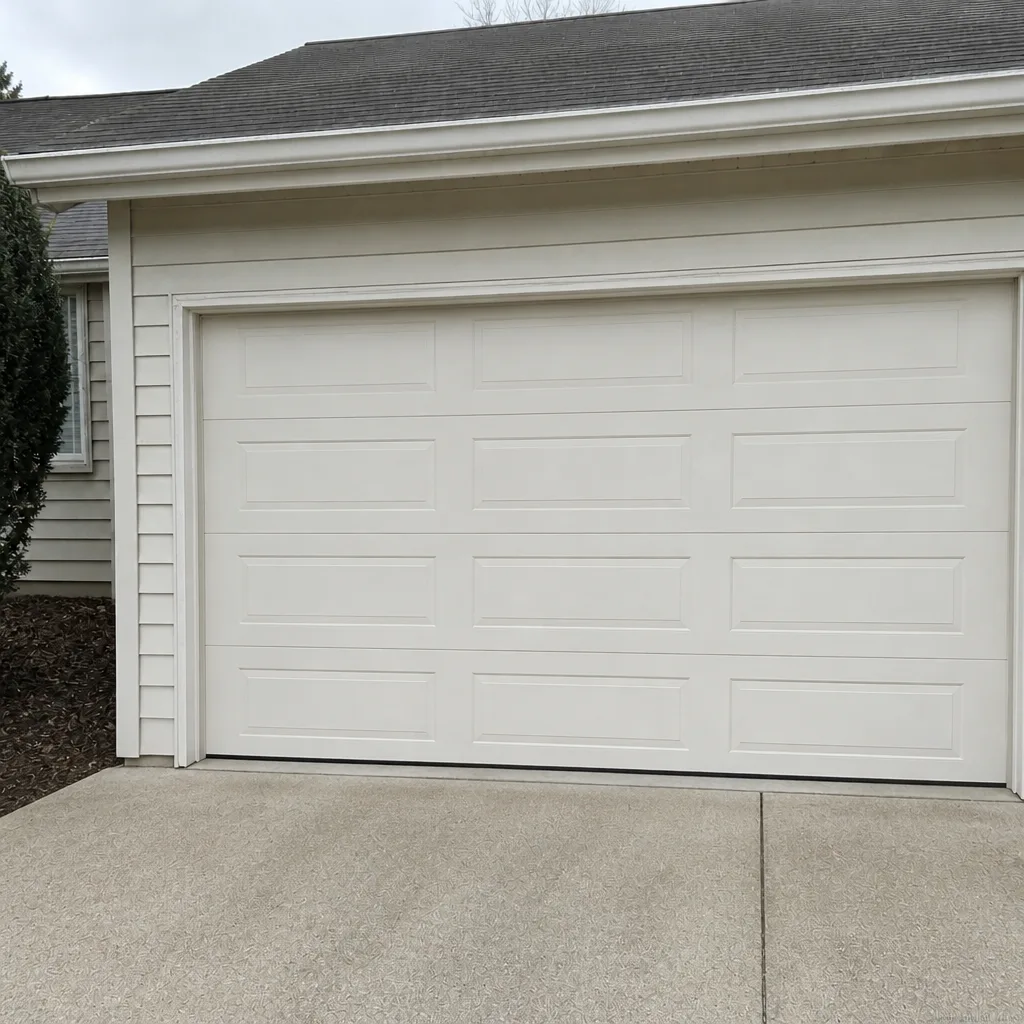
See the difference
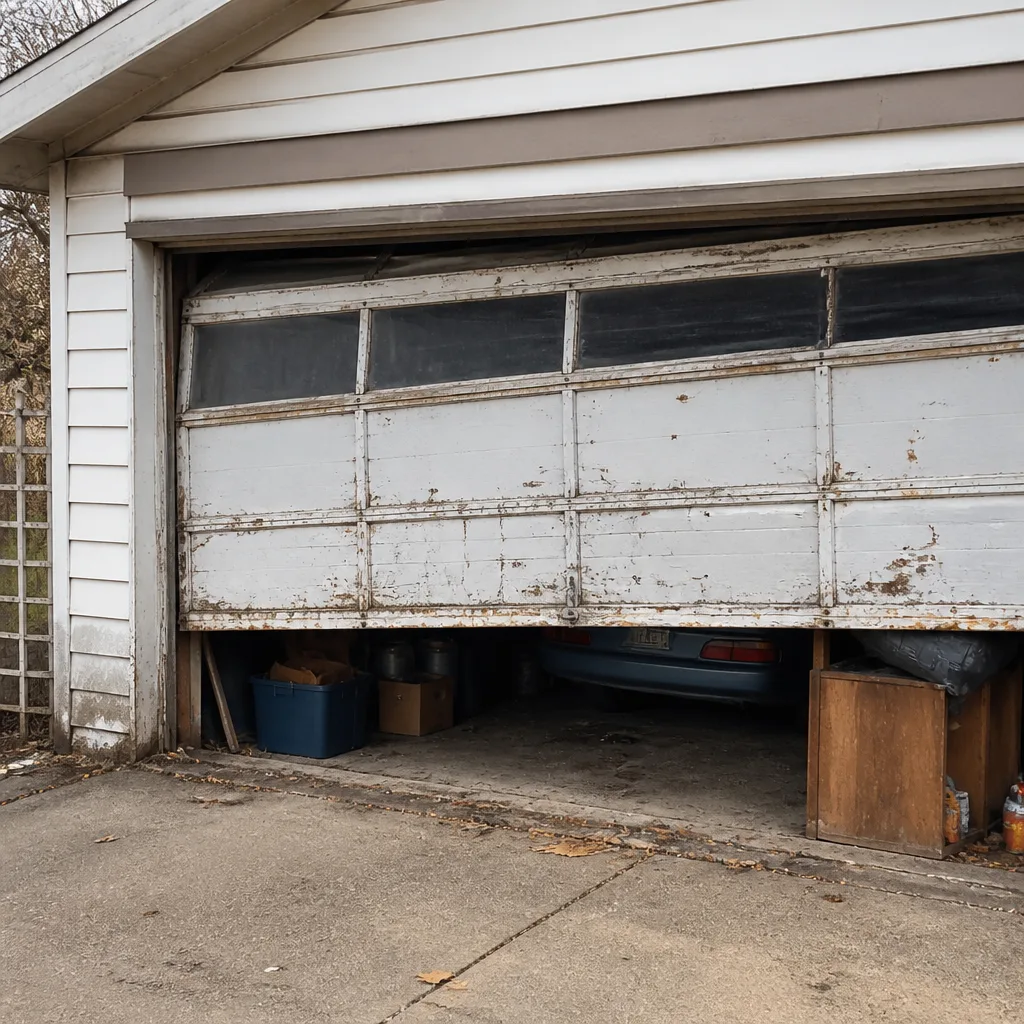 Before
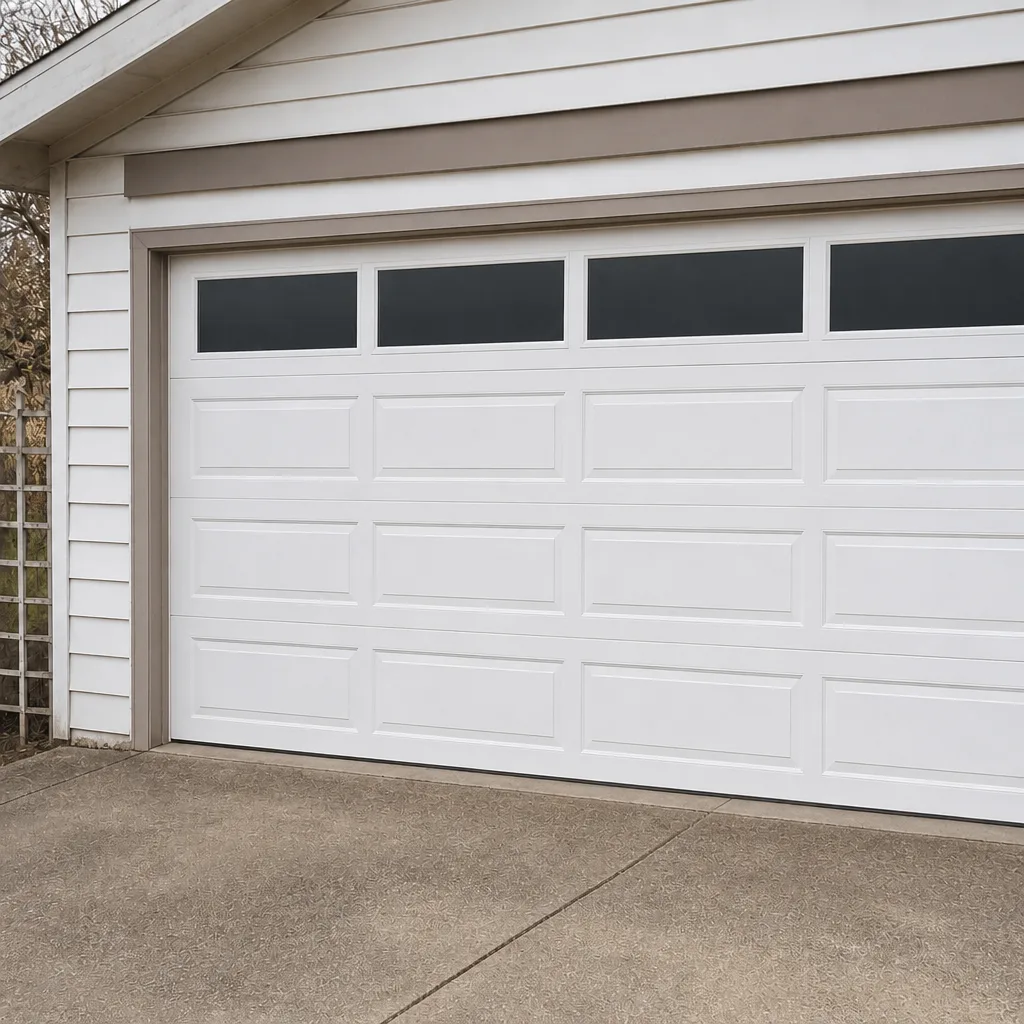 After
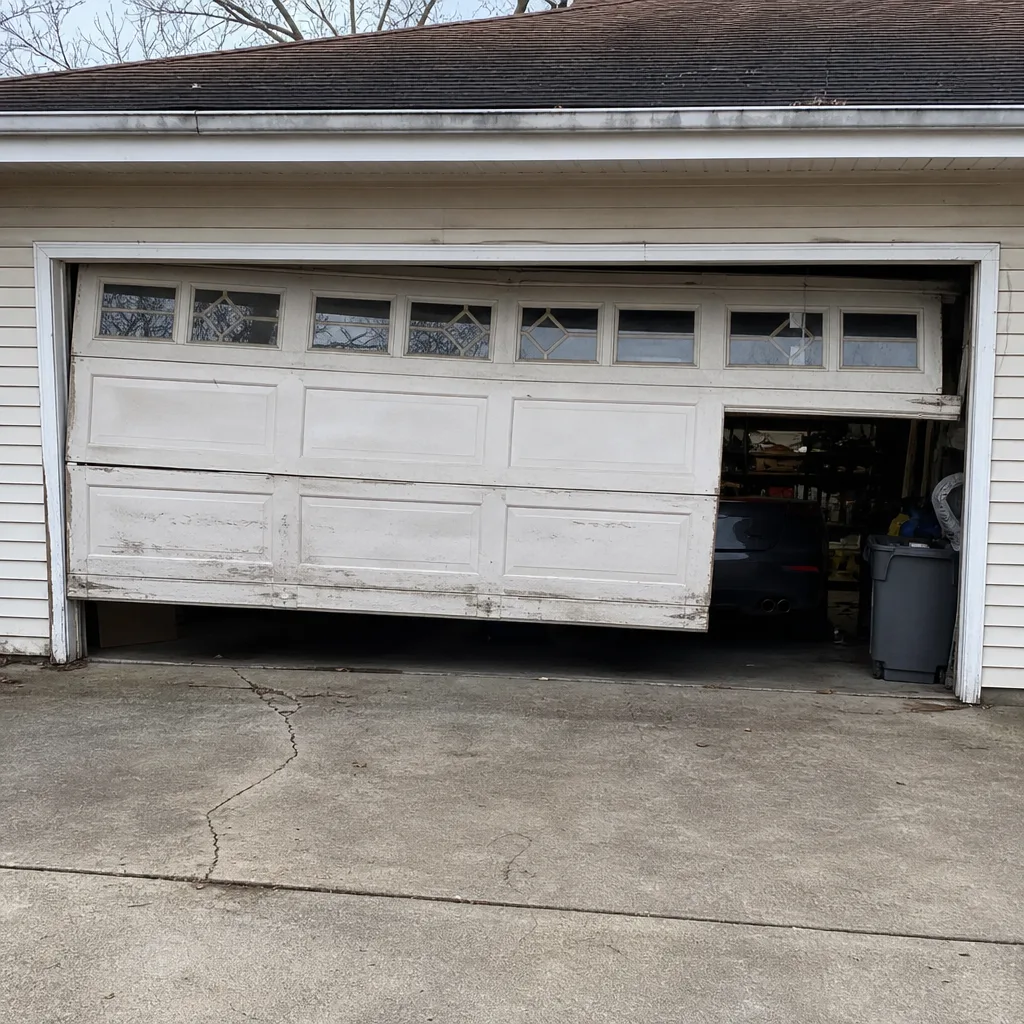 Before
 After
 Before
 After
When to Call a Professional
Some garage door problems can wait a few days. Others shouldn’t. Call a professional right away if your door is stuck half-open, if a cable has snapped or is visibly frayed, if you hear a loud bang from the spring above the door, or if the door opens unevenly or binds on one side. High-tension springs and cables are dangerous to handle without training and the right tools, so don’t try to disassemble or adjust a spring or cable yourself. Call a trained technician instead. Get a professional involved if the opener reverses unpredictably, if the door’s safety sensors are misaligned and won’t stay in position, or if the door has damaged panels or a track that’s pulled away from the wall. These are all fixable, and a specialist should be able to walk you through the diagnosis on the phone. Bramble Garage Door Repair offers free estimates in Rockford. Call (855) 758-5321. We answer 24/7. Fast dispatch from 7am to 7pm, Sunday through Friday.
Frequently Asked Questions
Start with three checks: the company’s primary trade is garage doors, they can name your door’s spring system and opener brand, and they produce a written estimate with parts and model numbers. Then verify insurance and business registration before work begins. A contractor who passes all four is worth a second conversation. Call (855) 758-5321 for an exact quote. Estimates are free.
Sometimes on paper, rarely over the life of the repair. A generalist may quote lower for the same job, but the part often turns out to be the wrong grade, the diagnosis changes mid-job, or the door comes out unbalanced and wears through a new spring faster. A specialist’s estimate usually costs about the same and holds. Call (855) 758-5321 to compare an estimate from a garage door specialist.
A written estimate should include the part description, brand, model number, quantity, labor, any expected additional work with a price, what’s excluded, and the full price. Vague line items like “repair service” are a warning sign. On any job we quote, the price is agreed before work starts. Call (855) 758-5321 for a free estimate.
Illinois does not have a statewide garage door trade license the way it does for electricians or plumbers. That makes insurance verification the most important pre-work check: confirm liability insurance and workers’ compensation for employees. For any local permit question, ask the city’s building department directly.
Ask which brands they work on and which they won’t, then ask a specific question about yours. A real multi-brand specialist will name the brands and admit limits. We work on eight: LiftMaster, Chamberlain, Genie, Clopay, Amarr, Wayne Dalton, Craftsman, and Raynor. If you’re unsure which one you have, call (855) 758-5321 and we’ll help you find the sticker. Estimates are free.
Match the parts spec, not the job description. Ask each contractor for the part brand, the model number, and the spring type or cycle rating, and check what’s included in labor. Once the specs line up, the cheaper quote means something. Before that, it’s a guess. Call (855) 758-5321 for a free estimate.
The Bottom Line
The best garage door contractor in Rockford isn’t the one with the most reviews or the lowest quote. It’s the one who can explain your door’s spring system, name the brand on the sticker, write a specific estimate, and tell you exactly how they’ll confirm the repair. Those are the four things you can verify before you spend a dollar. Everything else (reviews, price, personality) is secondary. Keep this guide on your phone. The next time your door acts up, you’ll know what to ask and what a good answer sounds like.
For a free estimate from a garage door specialist who works on the brand you already have, call Bramble Garage Door Repair at (855) 758-5321. We answer 24/7. Fast dispatch from 7am to 7pm, Sunday through Friday.
Written by the team at Bramble Garage Door Repair.