
Last updated November 16, 2026
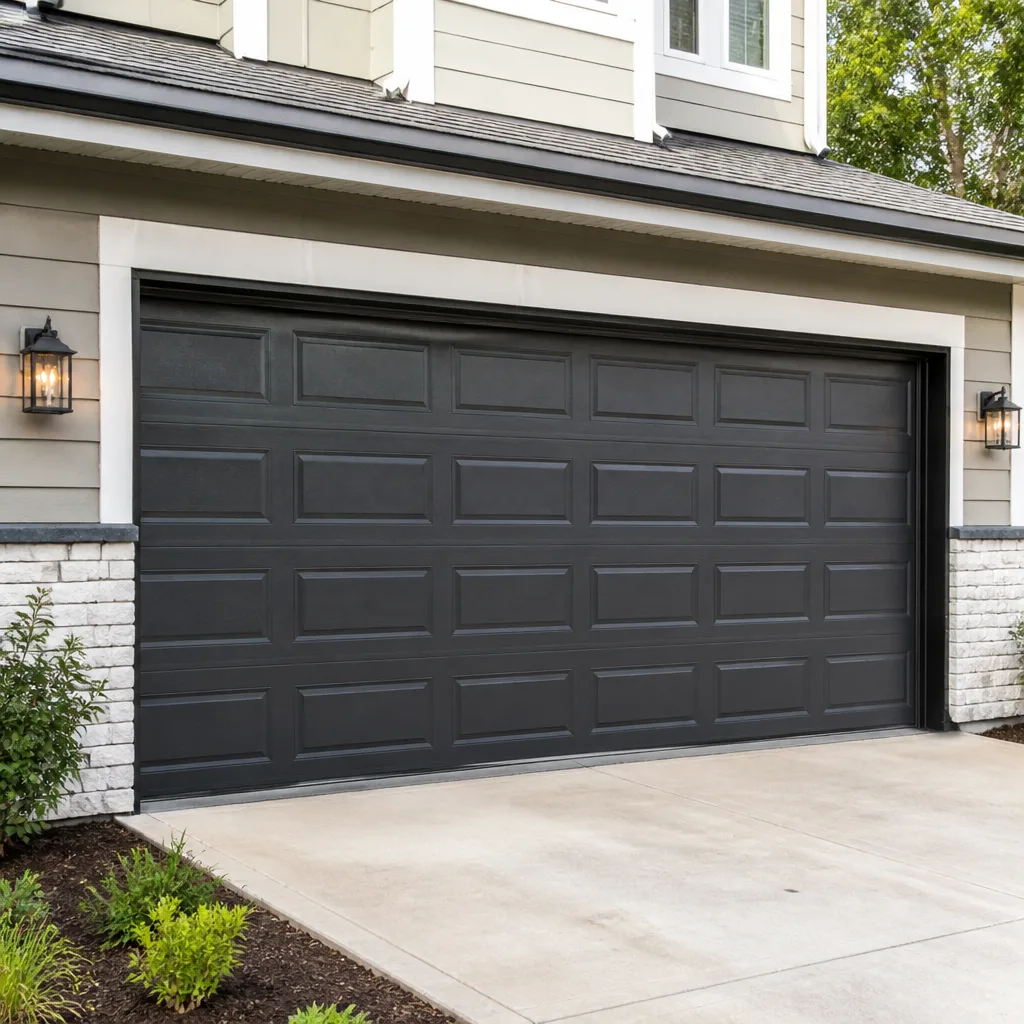 Raised-panel steel
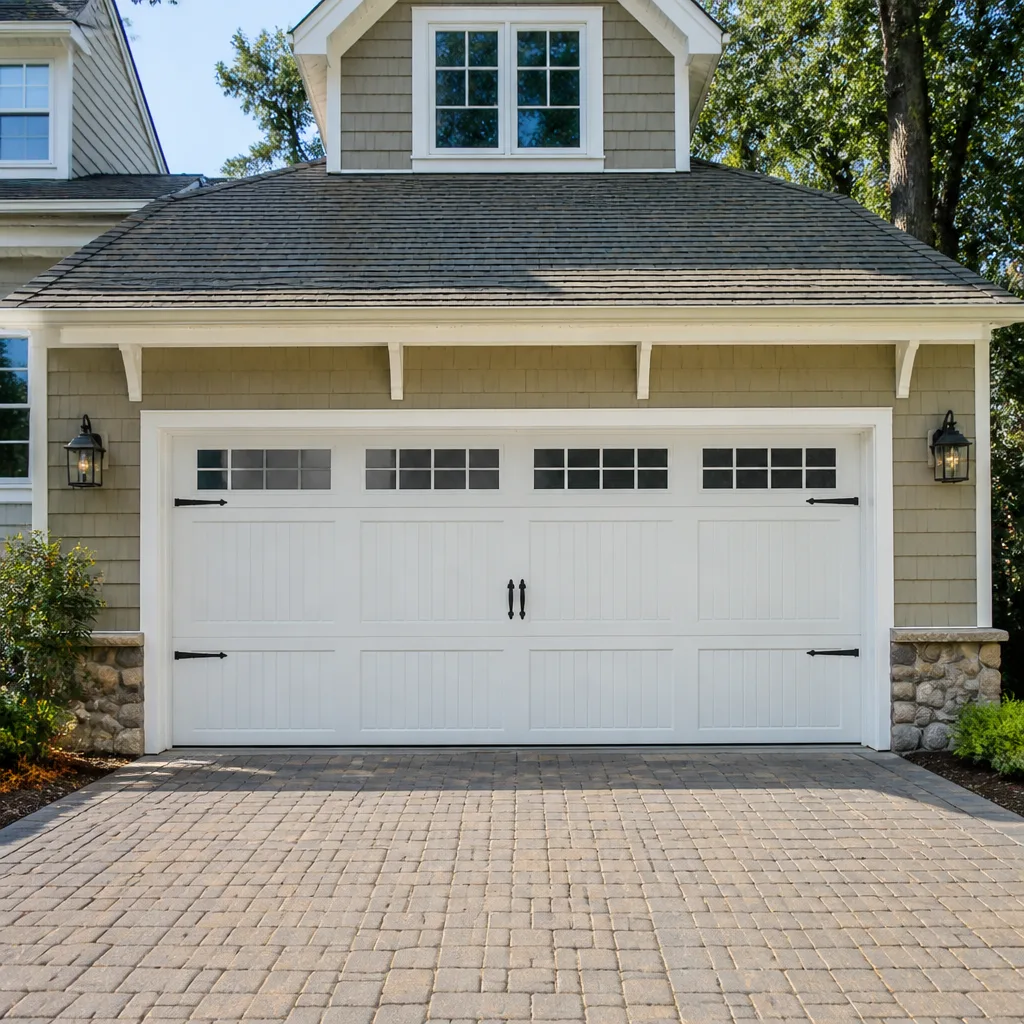 Carriage house
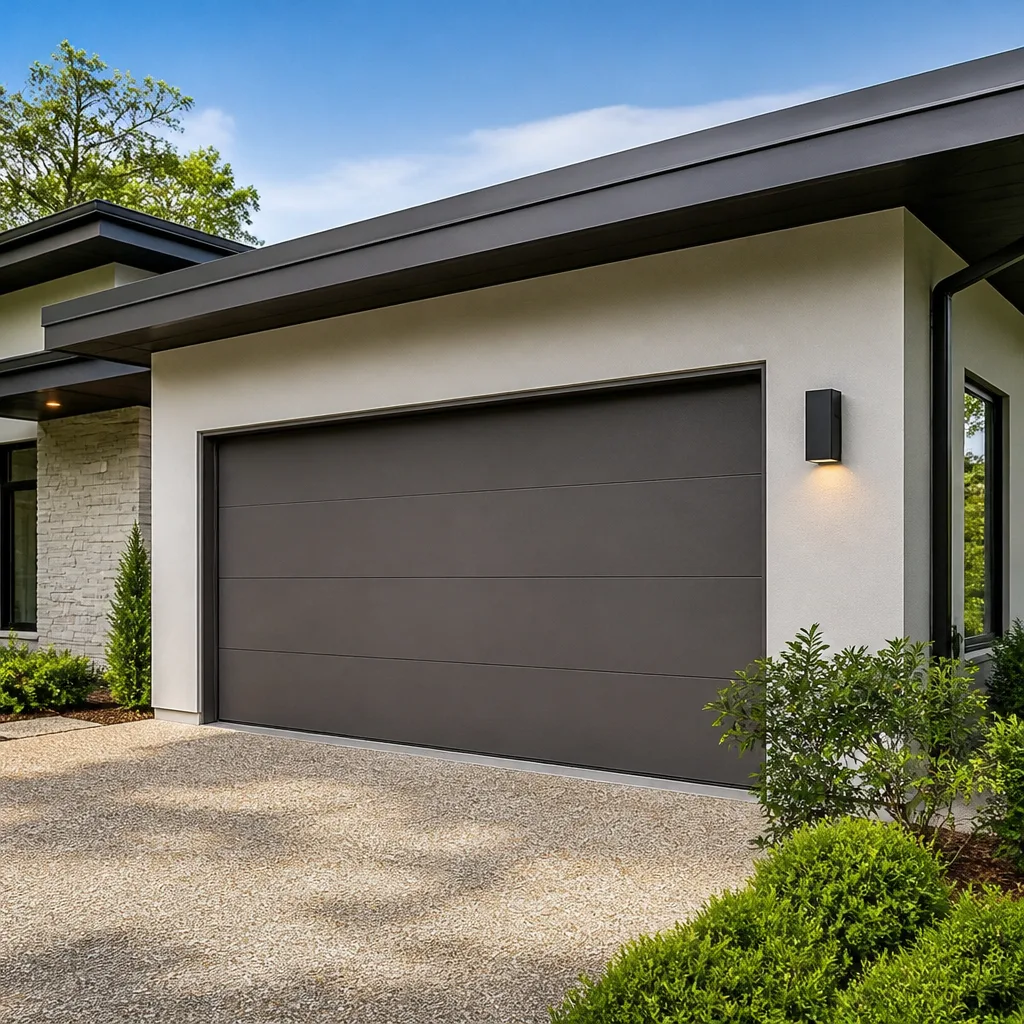 Modern flush
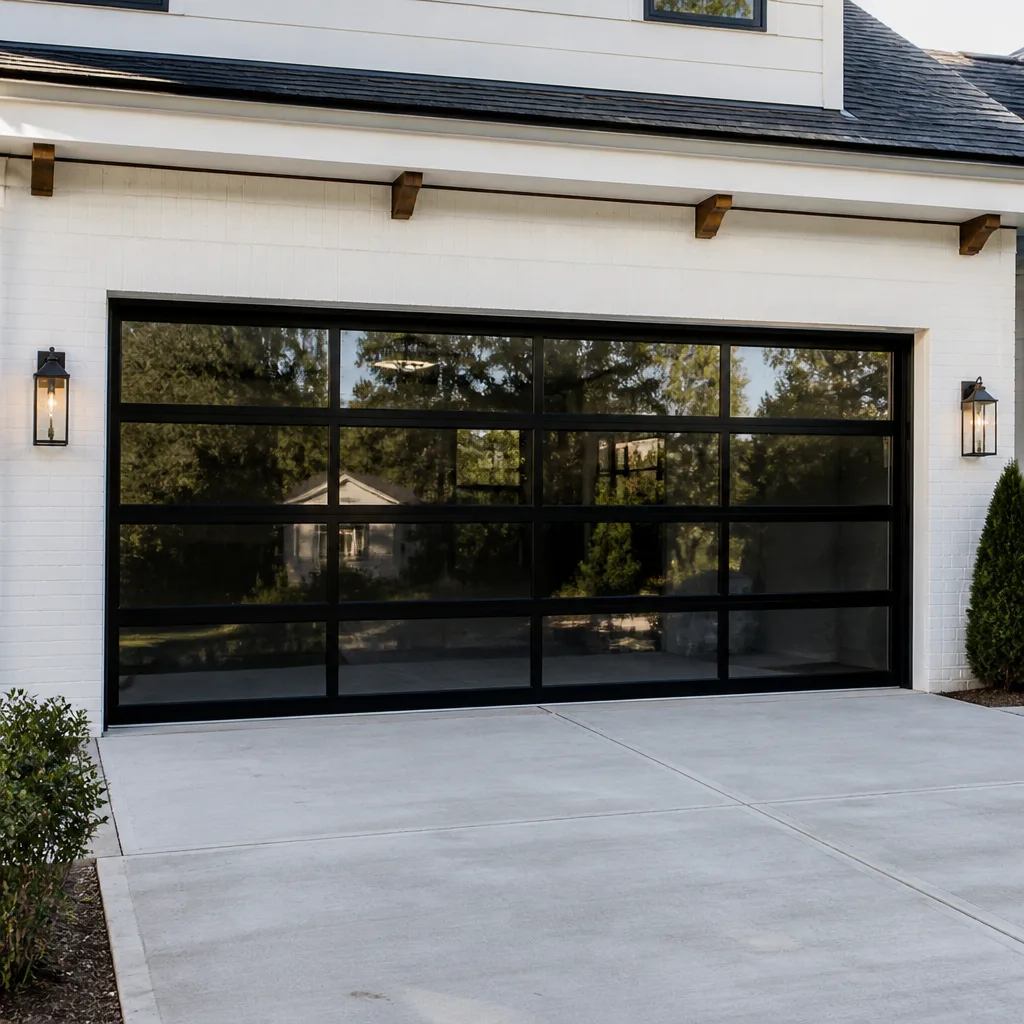 Full-view glass
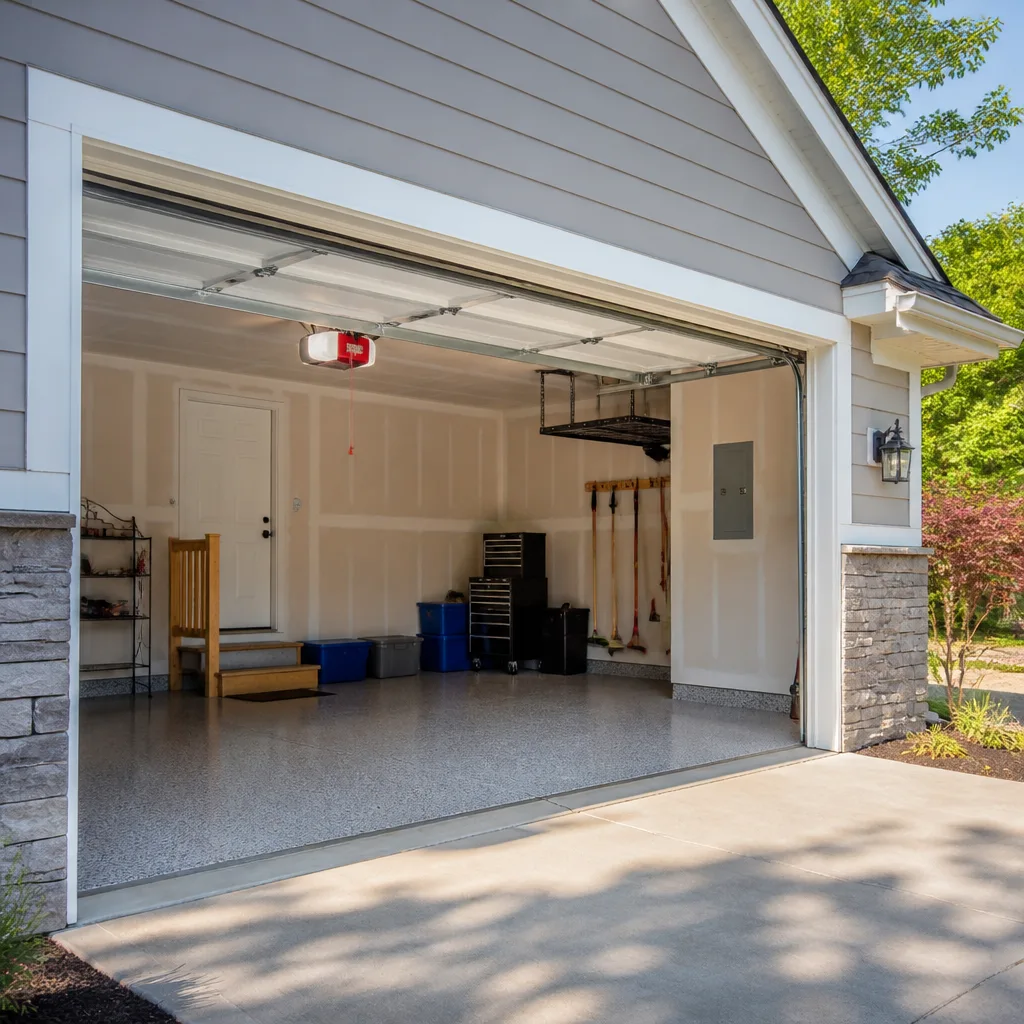 LiftMaster openers
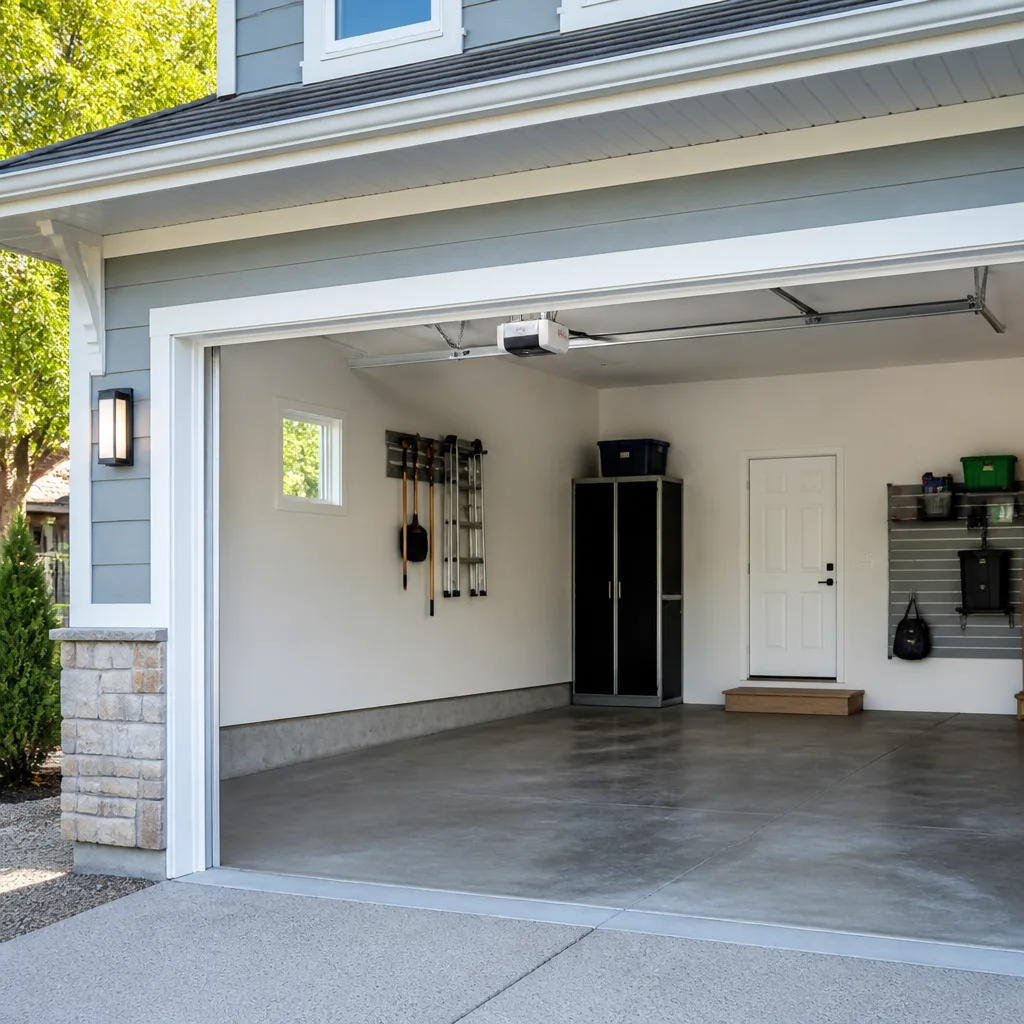 Chamberlain openers
Full 25-point door and opener safety check with every visit - springs, cables, rollers, tracks, and your LiftMaster or Chamberlain opener included
You get a price before we start. It does not change when the pro arrives.
Get your free estimateSeasonal Garage Door Care for Rockford: Year-Round Homeowner’s Guide
Most homeowners in Rockford assume winter is what breaks a garage door. It isn’t. The failures cluster in early spring, when the freeze-thaw cycle lets go of months of accumulated stress and metal that held together all January finally gives. That’s the counterintuitive part of owning a garage door in this climate: the season you feel safest is the one that catches the tired parts. This guide maps care tasks to the four seasonal stress cycles a Rockford door actually goes through, and explains what to check, when to check it, and when the job is better left to a trained technician.
Quick Answer
Seasonal garage door care in Rockford comes down to four windows: fall preparation before the first hard freeze, winter monitoring for balance and seal issues, spring inspection of springs and cables after thermal cycling, and summer attention to opener heat management and UV-damaged seals. A few minutes of checking each season prevents most of the failures that show up as emergency repair calls.
Styles & brands we work with
- Raised-panel steel
- Carriage house
- Modern flush
- Full-view glass
- LiftMaster openers
- Chamberlain openers
Table of Contents
- Fall Prep Before the First Freeze
- Winter: Where Deferred Fall Work Shows Up
- Spring: The Real Risk Season for Springs
- Summer: Opener Heat and UV Damage
- Month-by-Month Task Calendar
- Common Mistakes to Avoid
- When to Call a Professional
- Frequently Asked Questions
Fall Prep Before the First Freeze
Fall is the highest-leverage season for garage door care in Rockford, because you’re working against a hard deadline: the first sustained freeze. Anything you skip now becomes a symptom to diagnose in February. Three items matter more than the rest.
Weatherstripping and the bottom seal. The rubber seal under your door is what keeps out snowmelt, wind-driven rain, and cold air. A seal that’s cracked or flattened over the summer will harden fast once temperatures drop, and a hardened seal stops flexing against the driveway. Run your hand along it; if it crumbles, flakes, or stays deformed after the door lifts, replace it before the cold sets in.
Opener sensitivity calibration. Your opener has a force-sensitivity setting that determines how hard it pushes before reversing. Cold thickens lubricant and stiffens seals, so a door that reverses too easily in July can become a door that strains and stalls in January. Test the door by hand first, with the opener disconnected, to see how it moves. If it binds, correct that before touching opener settings – the opener shouldn’t be used to compensate for a door that’s dragging.
Lubrication and hardware check. Garage door lubricant (not WD-40 as a substitute for the hinges and rollers) works best when applied before the cold, not after. Check hinges, rollers, and the torsion tube for looseness. A bolt that works free in October can rattle a door out of alignment by December.
If any of this reveals a problem, garage door repair is a call away rather than a project to push off.
Winter: Where Deferred Fall Work Shows Up
Winter garage door failures are rarely caused by cold itself. They’re the bill for fall maintenance that didn’t happen. Snow accumulation, temperature drop, and constant door cycling all expose weaknesses that were already there.
What usually shows up:
- A door that reverses before closing all the way. Almost always a stiff seal, ice buildup on the bottom edge, or a cold-thickened mechanism – not a broken opener.
- A door that lifts unevenly or looks crooked. One spring is carrying more load than the other, or a cable has slipped. Stop using the opener and get it looked at.
- Grinding or scraping on the tracks. Lubricant has dried or shifted with the cold, or a roller is seized.
- An opener that strains or makes a new sound. The opener is doing the work the door mechanism should be doing. Also worth noting: cold air easily infiltrates a garage door seal gap, forcing your furnace to work harder.
Winter is also when you should keep the track clean of snowmelt and grit. Road salt tracked in on the car gets into the track rollers and starts corrosion, which is one of the most common causes of stiff operation by March. A quick wipe-down of the tracks a few times over the winter makes spring inspection easier.
If a door fails in winter, it’s worth understanding that it’s usually a symptom of something that started before the season. Our Rockford team sees this pattern every year.
Spring: The Real Risk Season for Springs
This is the part most maintenance guides get wrong. Spring, not winter, is the most dangerous season for garage door springs in Rockford. After months of cold stress, the freeze-thaw cycle of March and April subjects torsion springs to rapid temperature swings – and metal that’s been under constant tension through a winter of thermal contraction is most likely to fatigue and break right when temperatures jump.
Spring inspection priorities:
- Spring tension check. Raise the door halfway by hand with the opener disconnected. If it won’t hold position, a spring is no longer balanced. Do not attempt to adjust torsion springs yourself; they’re under extreme tension and require proper winding bars and training.
- Cable corrosion. Cables are galvanized steel, but road salt exposure works its way into the strands and weakens them. Look for fraying, rust staining, or slack cables. A snapped cable can send the door off-track.
- Track alignment. The freeze-thaw cycle shifts the ground and stress-relieves the door assemblies. Tracks that were parallel in October can be out of alignment by April. Sight down the track or check that the rollers aren’t binding.
If a spring has broken, don’t run the opener – it will strain the motor and can damage the door further. If a spring breaks, call for a professional. That’s why we tell Rockford homeowners to treat spring inspection as the priority task of the year.
If something’s off, garage door opener repair may be needed if the opener was damaged by operating against a broken spring.
Summer: Opener Heat and UV Damage
Summer stress is quieter than spring, but it does two things to a garage door.
Opener motor heat management. A garage gets hot in a Rockford summer, and the opener motor and control board run hotter than they would at 60 degrees. Residential openers are rated for a duty cycle – how many times they can run per hour – and a hot garage shortens that cycle. If your opener cuts out during a run of back-to-back opening and closing, it’s usually thermal overload, not a failure. Give it time to cool before trying again. If it happens repeatedly, it’s worth diagnosing.
UV degradation of rubber seals. The bottom weatherstripping and the perimeter seal take the most direct sun exposure of any rubber component on the door. UV breaks down the rubber and surface-cracks it, so by the following fall, the seal is already compromised. Inspect for whitening, cracking, or curling at the corners. That’s a repair you want in summer, not in February.
Summer is also a good time to test the safety reverse for adjustment: place a piece of wood flat on the floor under the door and close the door on it. If the door doesn’t reverse cleanly, the sensitivity needs calibrating. That’s an opener adjustment – if it’s a Genie, Chamberlain, or a Clopay door with a matching brand opener, we’re familiar with the factory settings.
Month-by-Month Task Calendar
Here’s a task calendar built around Rockford’s actual seasonal patterns – the freezing window runs roughly November into March, with the freeze-thaw stretch concentrated in the late fall and early spring months.
- September: Inspect the bottom seal and perimeter weatherstripping. Test safety reverse. Lubricate hinges and rollers.
- October: Run a full balance test. Check the opener sensitivity. Confirm nothing strains before cold-hardening.
- November: Last call for weatherstripping replacement. Wipe down the tracks. Check for loose bolts.
- December through February: Monitor for ice buildup on the bottom seal. Keep the tracks clean of salt. Watch for new sounds.
- March: Spring inspection time. Check spring balance, cable condition, and track alignment. This is the highest-risk month.
- April: Deep clean. Inspect rollers. If the door had any winter issues, fix them now rather than later.
- May through July: Check the opener motor for heat issues. Inspect seals for UV cracking. Test safety reverse again.
- August: Pre-fall check. Order replacement seals if anything is cracking.
Compare 12-month maintenance to annual: an annual one-time check is not enough in a climate with this kind of temperature swing.
Common Mistakes to Avoid
- Treating maintenance as a single annual task. The four seasonal stresses on a Rockford garage door are different, and one check can’t cover all of them. A door that passes in October can fail in March.
- Using WD-40 as door lubricant. It’s a solvent, not a proper door grease. It temporarily frees a stuck hinge but washes out the actual lubricant under it.
- Adjusting torsion springs yourself. Torsion springs are under extreme tension and can cause serious injury if they release. Cable and spring work is not a homeowner task.
- Using the opener to compensate for a dragging door. If you raise the opener’s force sensitivity to push a stiff door, you’re masking the problem and adding strain to the motor and springs.
- Skipping spring inspection because winter was mild. Even a moderate winter builds up tension in springs; the break often happens when the next warm cycle arrives.
- Ignoring a crooked door. A door hanging at an angle is a cable or spring issue that compounds if you keep running it through the opener.
- Replacing the seal with the wrong material. Rubber seals rated for a cold climate hold up better through Rockford’s freeze-thaw than cheap vinyl.
When to Call a Professional
Some things you should check yourself; others are best left alone. Call a professional if you find a broken spring, a snapped or frayed cable, a door that’s off-track or hanging crookedly, or an opener that strains repeatedly or makes new sounds. Same for any safety-reverse test that doesn’t perform cleanly no matter how you adjust sensitivity. These are the cases where the smallest wrong move becomes expensive – a snapped torsion spring or a door that comes off the track can cause real harm. Bramble Garage Door Repair offers free estimates in Rockford and can book a written quote for whatever the diagnostics show. Call (855) 758-5321 for a free estimate. We work on the brand you already have, including Clopay, Amarr, Wayne Dalton, and Genie systems.
Frequently Asked Questions
Yes. The rapid freeze-thaw swings of March and April are when springs are most likely to fail. Metal that has been under static tension through a cold winter contracts and stress-relieves, and the release point usually comes when the temperature climbs quickly. This is why we tell homeowners to prioritize spring inspection in early spring, not winter.
Twice a year: once in fall before the freeze and once in summer after UV exposure. The bottom seal is the most weather-exposed rubber on the door, and it hardens, cracks, and flattens faster than most homeowners expect in a cold-climate freeze-thaw pattern.
No. Torsion springs are under extreme tension and can release with serious force. Call a trained technician. It’s the one item on the seasonal checklist that’s genuinely unsafe to handle personally.
Almost always a stiff seal, ice on the bottom edge, or a cold-thickened mechanism – not a bad opener. Check the seal first and clear any ice, then test the door by hand with the opener disconnected. We answer 24/7 if you’re not sure what you’re seeing.
Weatherstripping and bottom seal condition, opener sensitivity calibration, and lubrication of hinges and rollers. Those four tasks cover most of the winter failures we see in Rockford homes.
Bramble services products from eight of the most common residential brands – LiftMaster, Chamberlain, Genie, Clopay, Amarr, Wayne Dalton, Craftsman, and Raynor. If your door is one of those brands, we can handle the seasonal inspection and any resulting repair in a single visit. Call (855) 758-5321 for a free estimate.
Frequently Asked Questions (Continued)
Check the four most common signals: an uneven lift, a new sound, a door that reverses early, or a seal that’s cracked or hardened. If any of those are present, book a visit. We answer 24/7 and dispatch from 7am to 7pm, and the estimate is free.
Yes. Weatherstripping and bottom seals are part of the seasonal repair work we do. If the door needs a seal replacement plus an opener adjustment, we can handle both in one visit. Call (855) 758-5321 to book.
The Bottom Line
Rockford’s climate doesn’t put a single, predictable stress on a garage door – it puts four distinct seasonal stresses, and each one targets a different part. Fall is preparation, winter is monitoring for what fall missed, spring is the real failure season for springs and cables, and summer is opener heat and seal UV damage. Build a calendar around those four windows, do the safe checks yourself, and call a technician for springs, cables, tracks, and anything that fails the balance test. Bramble Garage Door Repair is here when you need a straight answer on what’s worth repairing and what isn’t.
Contact
Call (855) 758-5321 for a free estimate. We answer 24/7. Fast dispatch from 7am to 7pm, Sunday through Friday. Our technicians have up to 8 years of experience, we work on the brand you already have, and we’ll tell you plainly whether a seasonal tune-up, a repair, or a replacement is the right call for your door.
Written by the team at Bramble Garage Door Repair.
See the difference
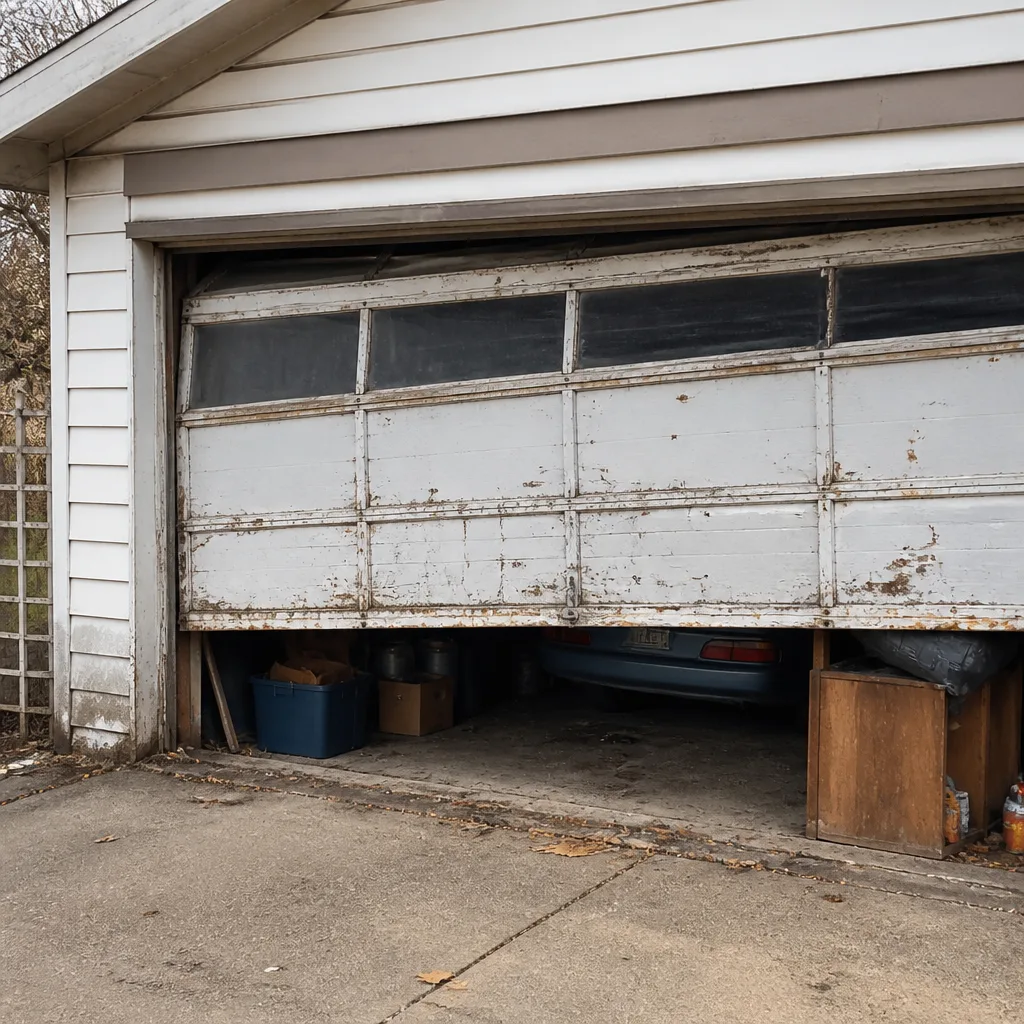 Before
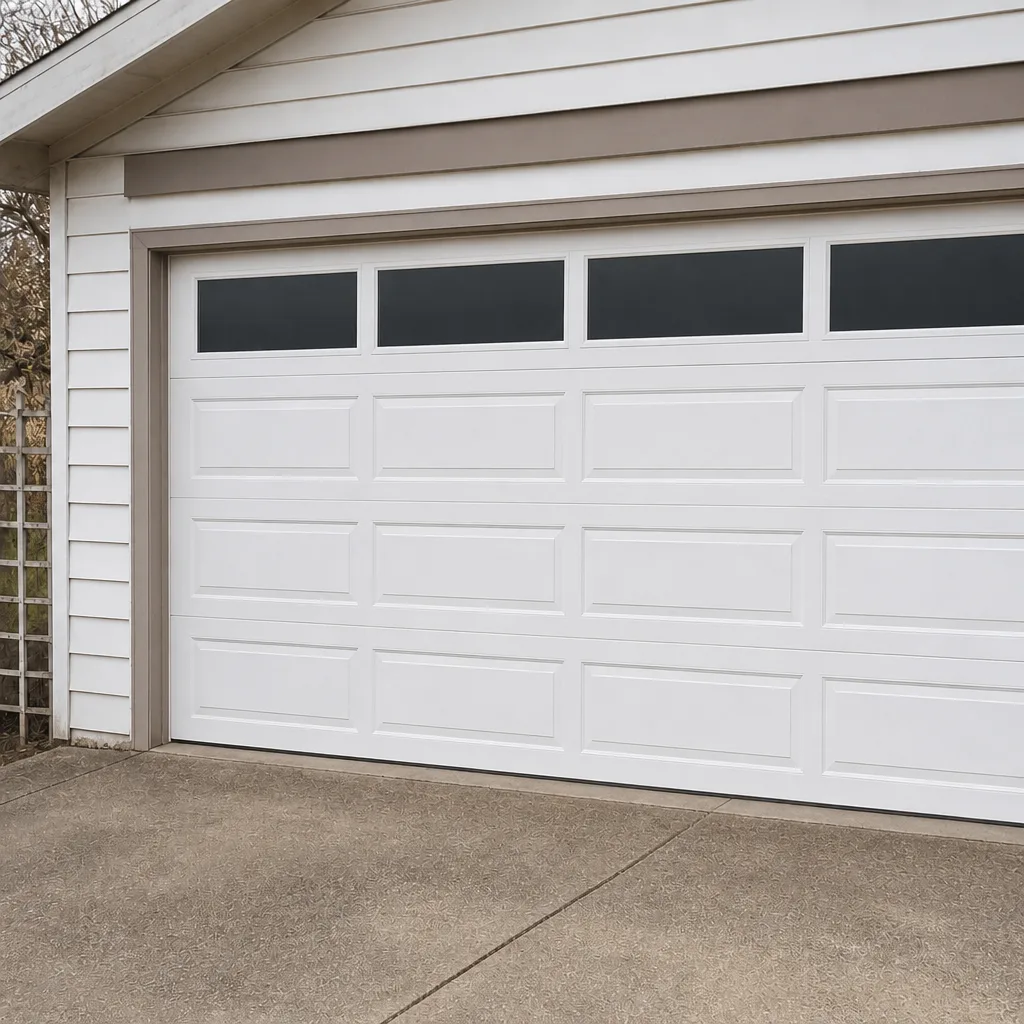 After
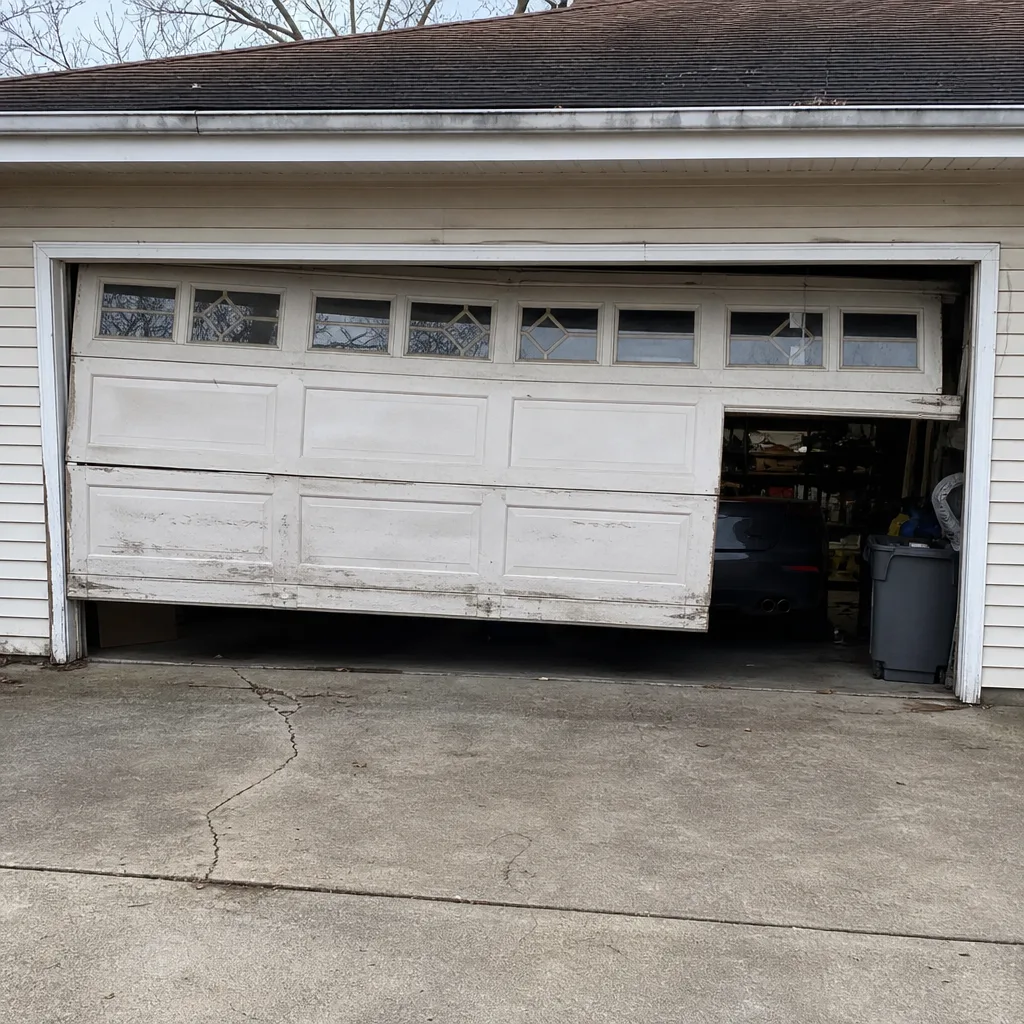 Before
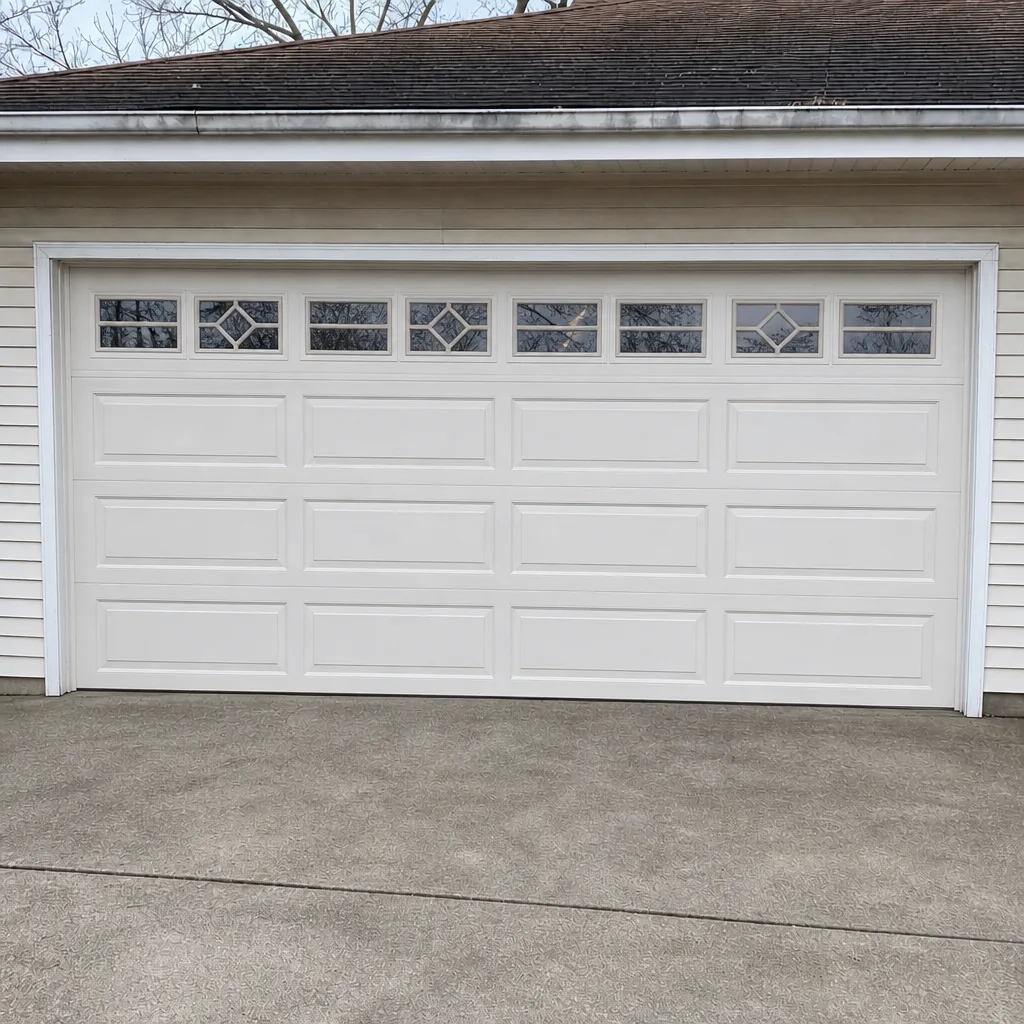 After
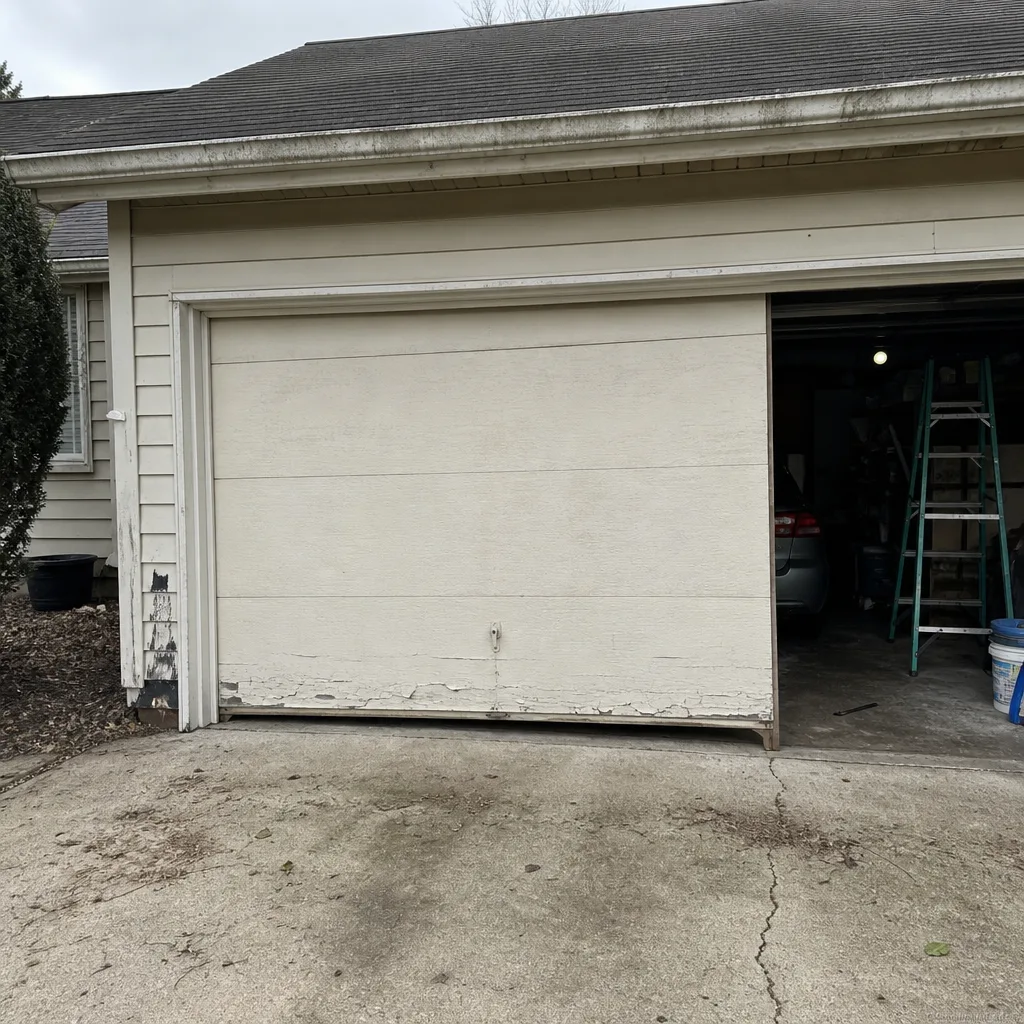 Before
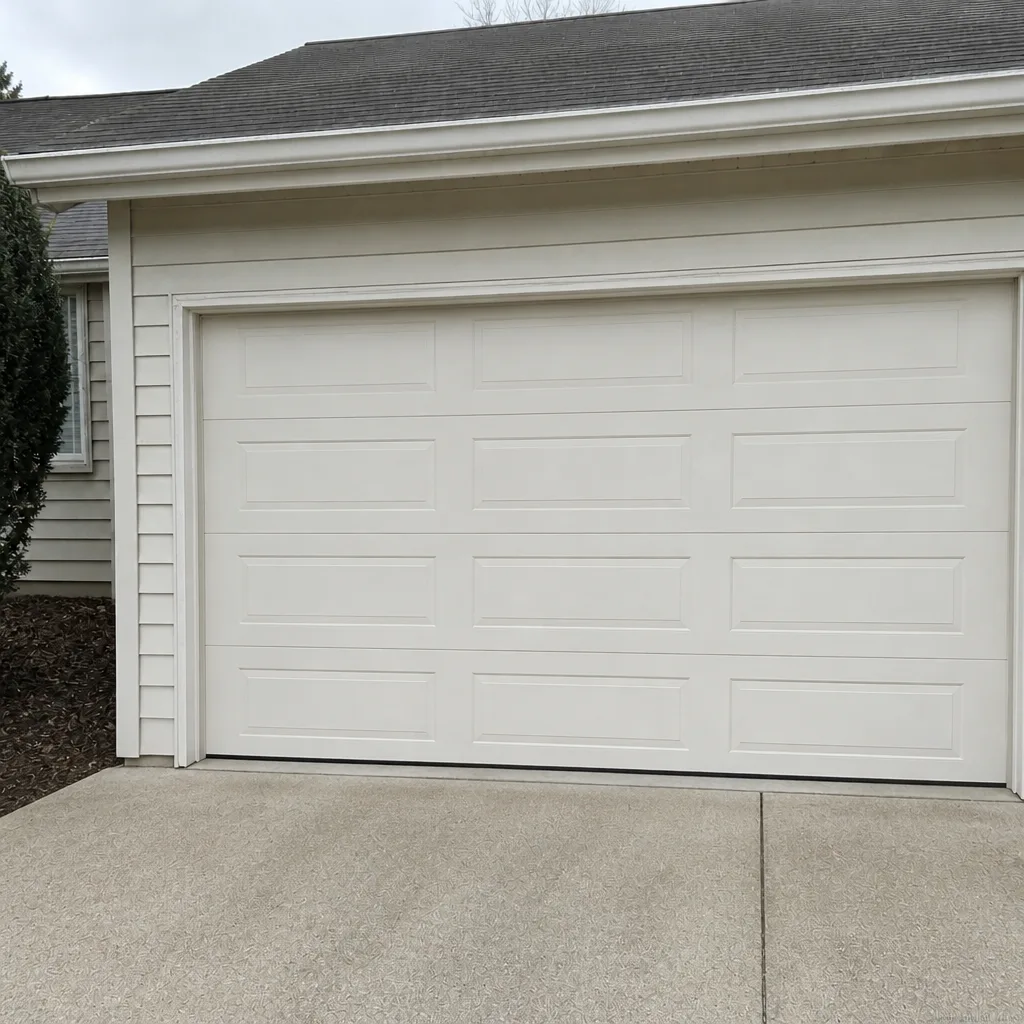 After