
Last updated November 16, 2026
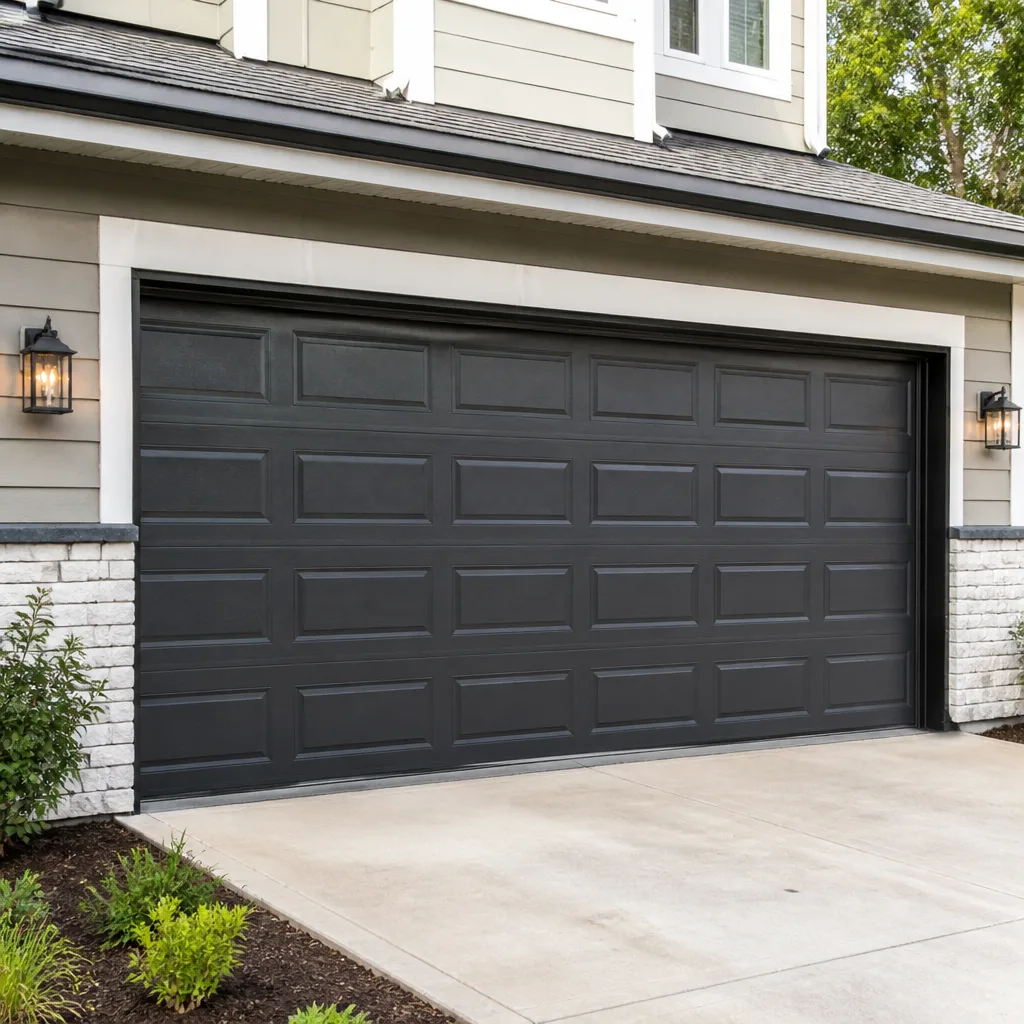 Raised-panel steel
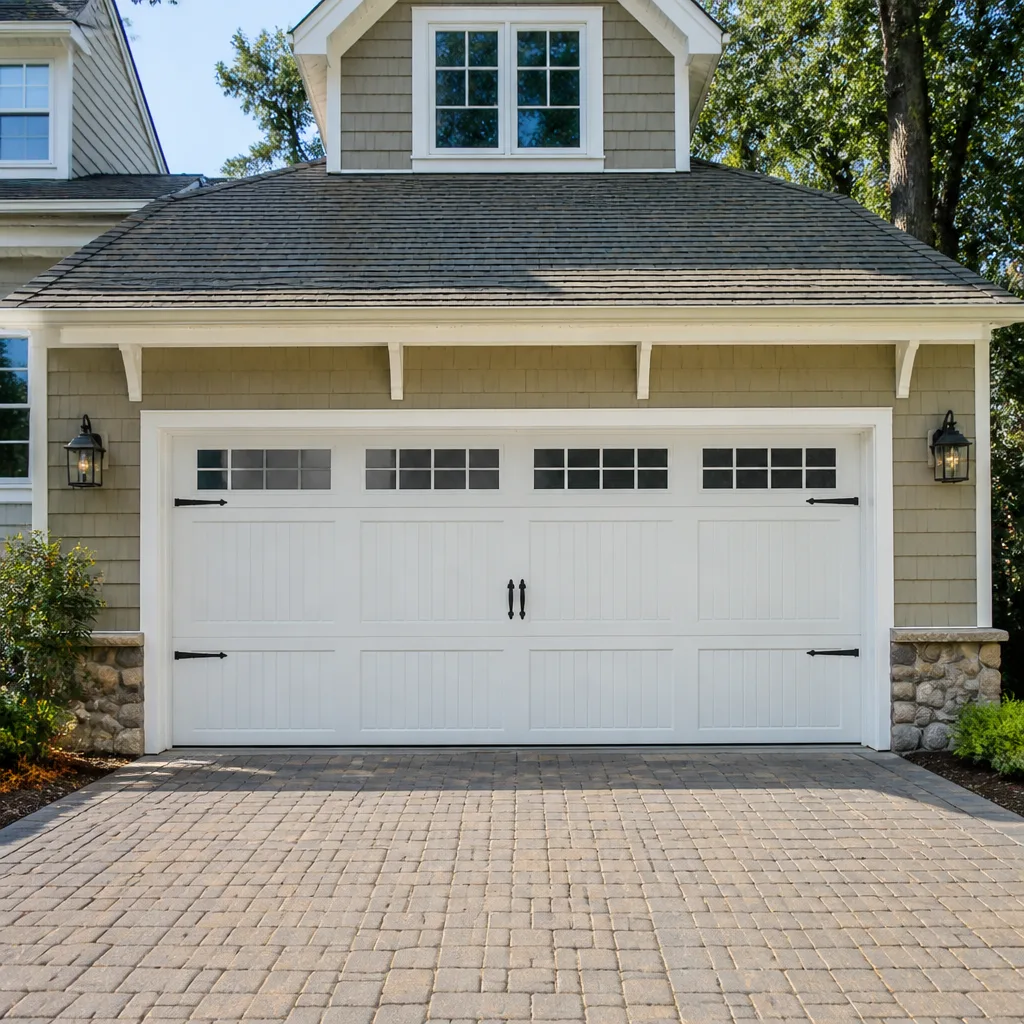 Carriage house
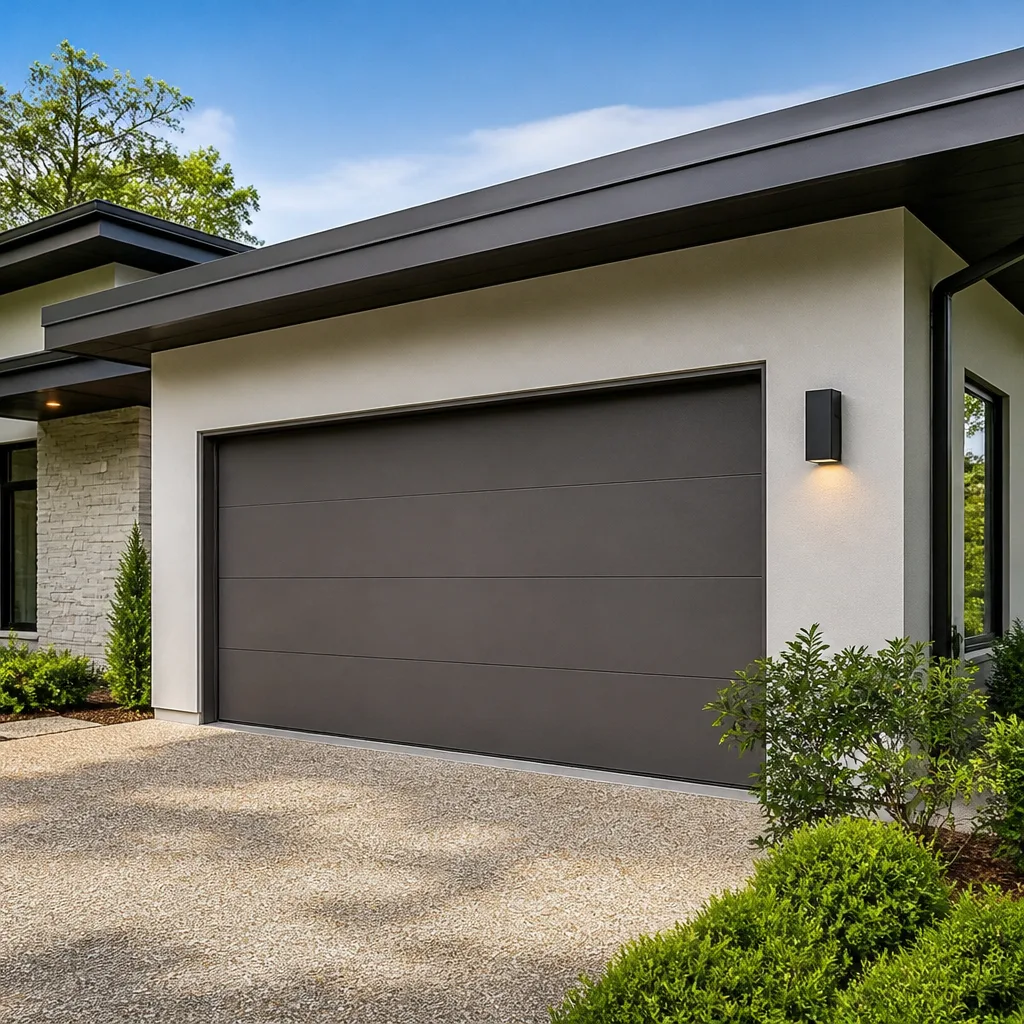 Modern flush
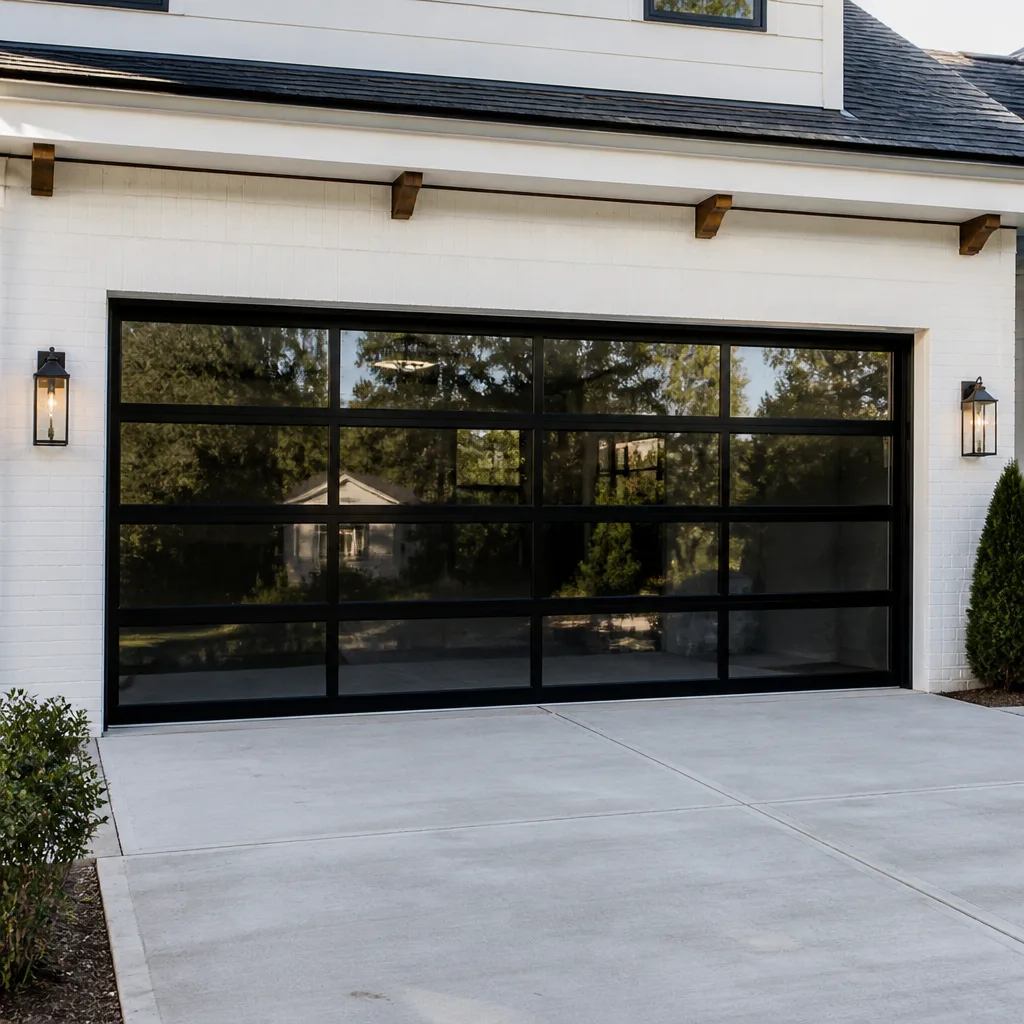 Full-view glass
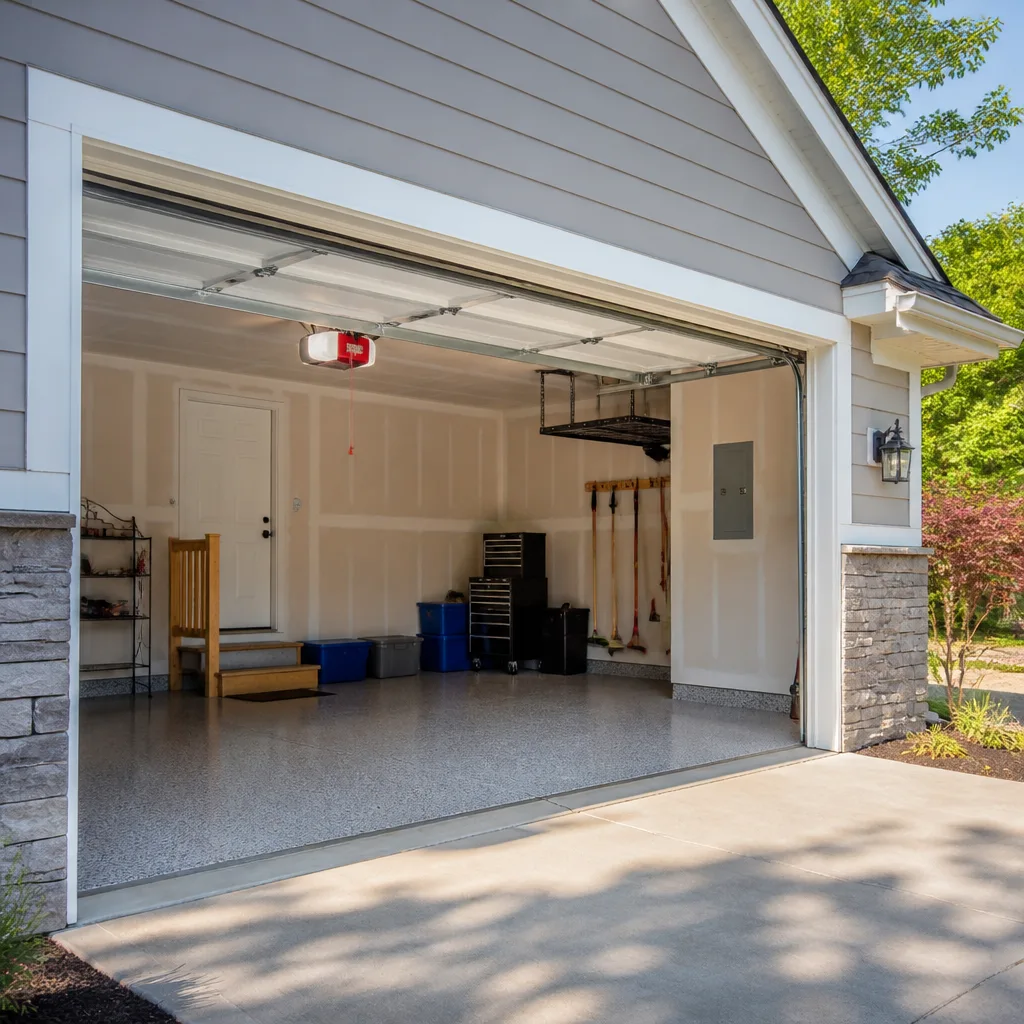 LiftMaster openers
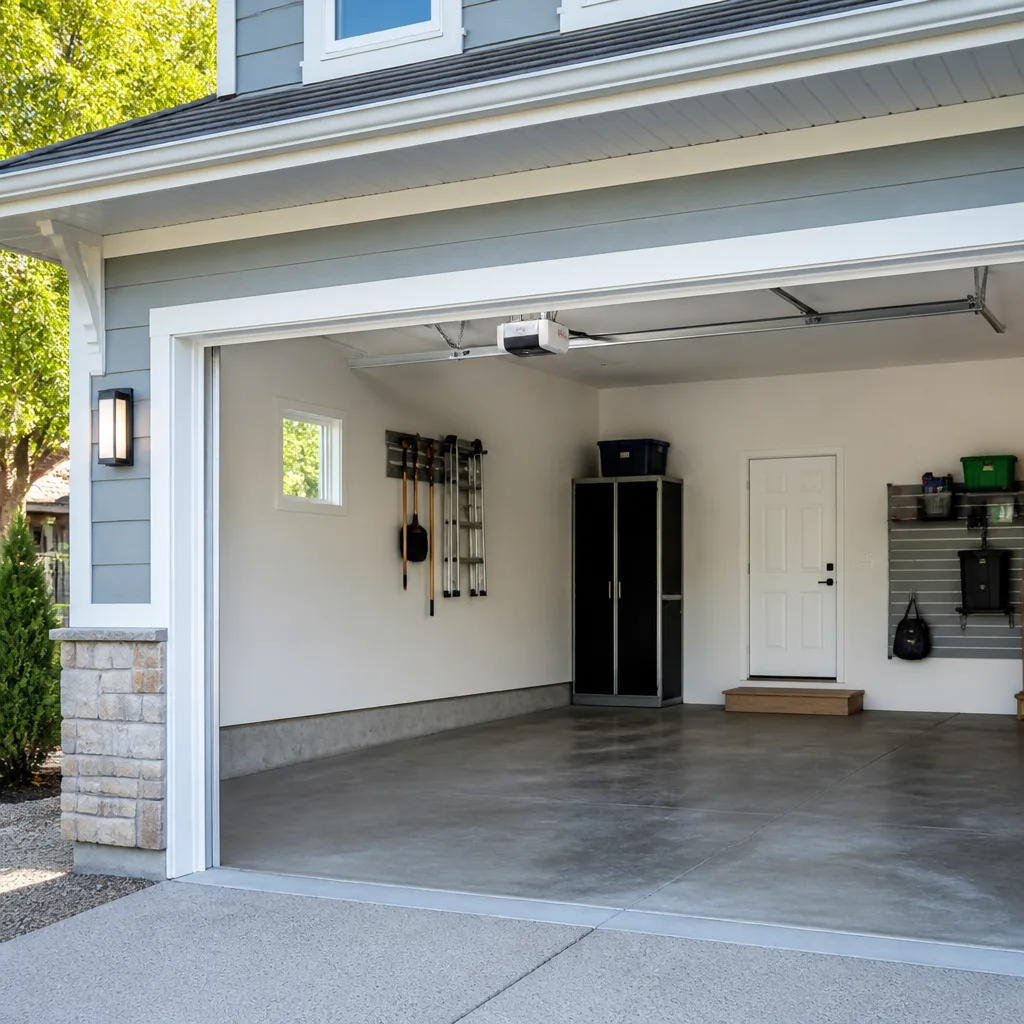 Chamberlain openers
Full 25-point door and opener safety check with every visit - springs, cables, rollers, tracks, and your LiftMaster or Chamberlain opener included
You get a price before we start. It does not change when the pro arrives.
Get your free estimateThe Complete Guide to Garage Doors in Rockford
Your garage door moves more than 1,500 times a year and costs more to replace than most home appliances, yet most Rockford homeowners can’t name a single component inside it. That gap matters. A garage door is a mechanical system with springs under serious tension, cables that carry the whole weight of the door, rollers that wear on a schedule, and an opener doing precise work every time you pull into the driveway. None of that is mysterious once you understand how the pieces fit together, but almost nobody explains it before something breaks. This guide does. You’ll learn how Rockford’s freeze-thaw cycles hammer specific parts, how long each component actually lasts, why mixing brands can cause problems, and how to read your door’s condition in about two minutes without tools.
Quick Answer
A residential garage door in Rockford generally lasts 15 to 30 years for the panels and hardware, but the springs, cables, and rollers inside it wear out much sooner and need replacement along the way. Most “my door won’t work” calls come down to a worn spring, a stretched cable, or an opener that’s past its service life, and all three are repairable far more often than they’re replaced. The right call depends on the age and condition of the whole system, not one part in isolation.
Styles & brands we work with
- Raised-panel steel
- Carriage house
- Modern flush
- Full-view glass
- LiftMaster openers
- Chamberlain openers
Table of Contents
- How a Garage Door Actually Works
- How Rockford’s Climate Stresses Your Door
- The Real Lifespan of Every Major Component
- Why Brand Compatibility Matters
- How to Read Your Door’s Condition
- Repair vs. Replace: The Honest Call
- What Actually Keeps a Door Alive
- Common Mistakes to Avoid
How a Garage Door Actually Works
A garage door isn’t a slab that swings or slides. It’s a balanced lifting system where the door’s weight is offset by springs so a small motor, or even one hand, can move several hundred pounds. When that balance is right, everything feels effortless. When it drifts, every other part starts working harder and failing sooner.
Here’s the sequence involved every time you press the button:
- The opener motor turns a drive mechanism (belt, chain, or screw) that pulls or pushes the door along its track.
- Torsion springs (mounted on a shaft above the door) or extension springs (running along the sides) unwind to counterbalance the door’s weight.
- Cables connect the springs to the bottom corners of the door, transferring that counterbalance force.
- Rollers ride inside the vertical and horizontal tracks, keeping the door aligned as it travels up and back.
- Hinges connect the panels so they fold smoothly around the curve where vertical track meets horizontal.
- The bottom seal compresses against the floor to block air, water, and pests.
Two spring types dominate residential doors. Torsion springs sit above the door on a metal shaft and are the standard on newer and heavier doors. Extension springs run parallel to the horizontal tracks and are common on older installations. Both store enormous energy. A torsion spring under tension can cause serious injury if handled without the right tools and training, which is why spring work is one job we always recommend leaving to a trained technician. That’s not a sales pitch. It’s the single most dangerous repair in the trade.
Understanding this system changes how you think about every symptom. A door that “feels heavy” isn’t an opener problem. A door that jerks on one side isn’t a track problem. It’s a balance problem, and balance lives in the springs. If you want the full breakdown of what each repair involves, our garage door repair page covers it in detail.
How Rockford’s Climate Stresses Your Door
Rockford sits in a climate with real winters and real summers, and the swing between them is where garage doors take their beating. The freeze-thaw cycle is the specific villain. Water gets into a seam, a hinge, or the gap under the bottom seal, freezes overnight, expands, and then thaws. Repeat that dozens of times across a northern Illinois winter and you get metal fatigue, cracked seals, and hardware that loosens year after year.
Here’s how that plays out on the parts of your door:
- Springs: Cold makes steel more brittle. The cycle count that a spring survives at mild temperatures is not the same cycle count you get through a Rockford January. Springs here tend to fail in the first sustained cold snap of the season, which is why we get a wave of calls every time the temperature drops hard.
- Bottom seals: A rubber or vinyl seal that stays flexible in mild weather turns stiff and cracks when it repeatedly freezes to a wet concrete floor and gets torn loose on the next opening. A failed seal lets in meltwater, which then refreezes and starts the cycle again on the hardware above it.
- Steel panels: Moisture trapped against a panel, especially at the bottom where snow piles up, leads to rust along the lower seams. That rust spreads under the paint and weakens the panel over years, not weeks.
- Wood doors: Wood swells in humid summers and shrinks in dry winter air. Paint cracks at the joints, water gets in, and the finish starts to fail from the bottom up. Wood doors in Rockford need a recoating schedule that steel doors don’t.
- Tracks and rollers: Grit and road salt tracked in on tires collect in the tracks. That grit grinds the rollers and makes the door run rough, and rough running accelerates wear on every moving part.
- Openers: A cold garage is hard on lubricants and on the plastic gears inside older openers. A unit that runs quietly in July can sound strained in January, and that strain is the early warning of a gear or drive failure.
None of this means a Rockford door is doomed. It means the maintenance schedule here is more demanding than it would be in a milder climate, and the parts most exposed to moisture and freeze-thaw deserve the most attention. If your door is already showing winter damage, our team handles both the door and the opener as one system so nothing gets missed.
The Real Lifespan of Every Major Component
Homeowners tend to think of the garage door as one thing with one lifespan. In reality it’s a stack of parts with very different clocks, and knowing those clocks is what lets you plan instead of panic. Here’s what to expect from each component, with the caveat that cycle count and climate shift these numbers.
- Torsion springs: Typically 7 to 12 years, but a door that runs 4 to 6 times a day wears them faster than a door that runs twice. Many manufacturers rate springs by cycle count, and a high-cycle door in Rockford can exhaust a standard spring in under a decade.
- Extension springs: Often 5 to 10 years. They’re generally less durable than torsion springs and are more prone to failing with a bang when they go.
- Cables: Usually 10 to 15 years if the door stays balanced. A door that runs out of balance wears cables fast because they take load they weren’t designed to carry.
- Rollers: Steel rollers can last 10 to 15 years; nylon rollers often run quieter and smoother but wear differently. Rollers are cheap and the single best thing to replace when a door starts sounding rough.
- Hinges: 10 to 20 years depending on material and lubrication. The hinge at the bottom corners takes the most punishment.
- Bottom seal: 3 to 7 years in this climate. This is the part most Rockford homeowners replace most often, and it’s the cheapest insurance against water damage to the rest of the system.
- Panels: 15 to 30 years if the finish holds. Rust at the bottom, dents from a bumper, or a bent section from a misjudged pull-in are the usual retirement triggers.
- Openers: 10 to 15 years for a typical residential unit, with belt drives often lasting longer than chain drives because there’s less mechanical wear. An opener that’s 15 years old and needs a major repair is usually better replaced than fixed.
Read these as planning numbers, not rules. A well-maintained door in Rockford routinely beats them, and a neglected door falls short. The pattern that matters is that springs, seals, and openers are the recurring costs, while panels and tracks are the long-term investment. Budget for the recurring parts and the door itself will outlive most of the appliances in your house.
Why Brand Compatibility Matters
Mixing brands on a garage door system is like mixing parts from different cars. It can work, but only if you know which parts talk to each other. The door hardware (panels, springs, tracks, hinges) and the opener are technically separate systems, but they’re bolted to each other and they have to cooperate every single day.
Two compatibility points trip people up most:
- Openers and remotes: LiftMaster, Chamberlain, Genie, and Raynor openers each use their own radio protocols. A remote from a Chamberlain won’t run a Genie, and pairing a new keypad or wall control often needs the exact model family. This is why buying a random universal remote online so often ends in frustration.
- Openers and door weight: Every opener is rated for a door weight and height. Put a heavy insulated door on an opener rated for a lighter one and the opener will work hard from day one, then fail early. This is where brand-agnostic repair pays off: we look at the door’s actual weight and spring balance before recommending an opener replacement, rather than assuming the model on the box is the right one.
On the door side, hardware is more forgiving, but not universal. Spring wire size, cable length, and roller diameter all need to match the door’s weight and track configuration. Panels from one brand rarely fit another’s tracks without modification. When a single panel is damaged, matching it correctly to the existing door is often more valuable than chasing the cheapest panel on the market.
We work on the brand you already have. LiftMaster, Chamberlain, Genie, Clopay, Wayne Dalton, and Raynor are all in regular rotation for our technicians, which means most Rockford homeowners are calling someone who already knows the parts inside their door. That beats a generalist guessing at a replacement. If you’re unsure what you have, that’s a common starting point, and identifying the system is the first thing we do.
How to Read Your Door’s Condition
You can learn a lot about your garage door in about two minutes, and almost none of it requires tools. The goal is to notice problems while they’re still cheap to fix. Here’s a simple inspection sequence you can run once a season.
- Look at the door from inside the garage with it closed. Check the panels for cracks, rust at the bottom seams, and dents. Note anything that looks newer than the rest.
- Run the door open and closed while watching from inside. It should move smoothly and evenly. Listen for grinding, popping, or squealing. Watch for the door to jerk or lag on one side.
- Disconnect the opener if you can. With most openers, pulling the red release cord lets you lift the door by hand. A balanced door lifts with modest effort and stays put when you let go at about halfway. A door that feels heavy or drops is out of balance, which means springs or cables.
- Look at the springs. A torsion spring with a visible gap in the coils has broken. An extension spring that’s stretched out or hanging loose has failed. Do not touch either. Call a technician.
- Inspect the cables. They should be taut and sit properly in their drums. Fraying or slack means it’s time to stop using the door.
- Check the bottom seal. Look for cracks, gaps, or a seal that’s pulled away from the door. If you can see daylight under the door, the seal is done.
- Listen to the opener. Grinding, a strained motor sound, or a door that reverses for no reason points to an opener problem rather than a door problem.
That sequence catches the vast majority of problems early. The rule of thumb: if the door is out of balance, making noise, or moving unevenly, stop operating it and get it looked at. Continuing to run a door with a stretched cable or a cracked spring is how a repair turns into a replacement.
Repair vs. Replace: The Honest Call
This is the question that matters most, and the honest answer is that most door problems don’t need a full replacement. A door that’s structurally sound with a worn spring, tired rollers, or a failing opener gets years of extra life from targeted repair. Replacement makes sense when the door itself is the problem, not just the parts around it.
Here’s how we think about the decision:
- Repair is usually the right call when: the panels are sound, the tracks are straight, the door is under about 15 years old, and the issue is a specific failed part (spring, cable, roller set, opener). The math is obvious: a fraction of replacement cost for another decade of service.
- Replacement is usually the right call when: several panels are rusted through or bent, the door is 20 years or older with multiple failures at once, the door is a style or material that no longer fits the home, or the cost of repairs approaches a meaningful share of a new door.
- The gray zone: a 15-year-old door with one major failure and visible rust at the bottom. This is where a technician should give you both numbers and let you decide, without pressure. We recommend repair versus replacement based on your situation, not a sales quota.
When replacement is the answer, installation is a measured, ordered, scheduled job, not a same-day call. A technician measures the opening precisely, you get a written price before anything is ordered, and the new door gets installed once it arrives. The same holds for opener replacement. For the full picture on both, our garage door opener repair page covers the diagnosis side, and the installation conversation starts with a free measure.
One more point on cost: repair pricing is set per job by a written estimate, and the price is quoted and agreed before any work starts. You should never be surprised by a bill at the end. If you’re in Rockford and you want a straight answer on repair versus replace, that’s exactly the conversation we’re set up for.
What Actually Keeps a Door Alive
Most garage door failures are wear problems, and wear responds to attention. A few minutes of maintenance a couple of times a year stretches the life of every part in the system and prevents the call you don’t want to make at 7am on a cold morning.
- Lubricate the moving parts: rollers, hinges, and the spring shaft get a garage-door lubricant (not WD-40) a couple of times a year. This is the single most effective habit.
- Keep the tracks clean: wipe out grit and salt with a damp cloth. Don’t lubricate the tracks themselves; they’re meant to run dry.
- Test the balance: run the disconnect test above once a season. Catching a balance problem early saves springs and cables.
- Check the bottom seal: replace it when it cracks or stops sealing. In Rockford’s climate, plan on this every few years.
- Listen for changes: a new noise is a warning. Grinding, squealing, or popping that wasn’t there last month is worth investigating.
- Check the safety reverse: every opener has a safety reverse feature. Test it by placing an object in the door’s path and confirming the door reverses. If it doesn’t, stop using the opener and get it serviced.
- Keep snow and ice clear: don’t let snow pile against the bottom of the door. It traps moisture and feeds rust.
That list is short on purpose. Garage doors are not high-maintenance in absolute terms, but the parts that matter most, springs and cables, are the ones you can’t safely inspect or service yourself. Routine maintenance from a specialist catches the rest. If you’re a homeowner in Rockford and you’d rather not crawl around under a door with stored energy in the springs, that’s a reasonable instinct, and it’s what we do.
Common Mistakes to Avoid
- Trying to fix a broken spring yourself. Torsion springs are under hundreds of pounds of tension. A spring that slips while you’re working on it can cause serious injury. This is the one repair that always warrants a trained professional.
- Ignoring a door that’s out of balance. A door that’s heavy or drops when you let go is already straining the opener and cables. Running it anyway turns a spring replacement into a spring-and-cable-and-opener replacement.
- Buying a universal remote or keypad without checking the model. Each opener brand uses its own protocol. A universal remote that “should work” often doesn’t, and the return trip is a waste of an afternoon.
- Replacing an opener without checking the door. A new opener on an out-of-balance door fails early. Diagnose the whole system, not just the unit.
- Choosing the cheapest quote on a full replacement without asking about measuring. A door that isn’t measured precisely to the opening will have fit problems from day one. The free measure and the written price come before anything is ordered.
- Letting the bottom seal go. In a Rockford winter, a failed seal lets meltwater into the hardware and rust the bottom of the door. It’s the cheapest part in the system and one of the most important.
- Skipping the safety reverse test. The safety reverse on your opener is a safety feature, not a convenience. If it’s not working, fix it before the next time someone or something is under the door.
See the difference
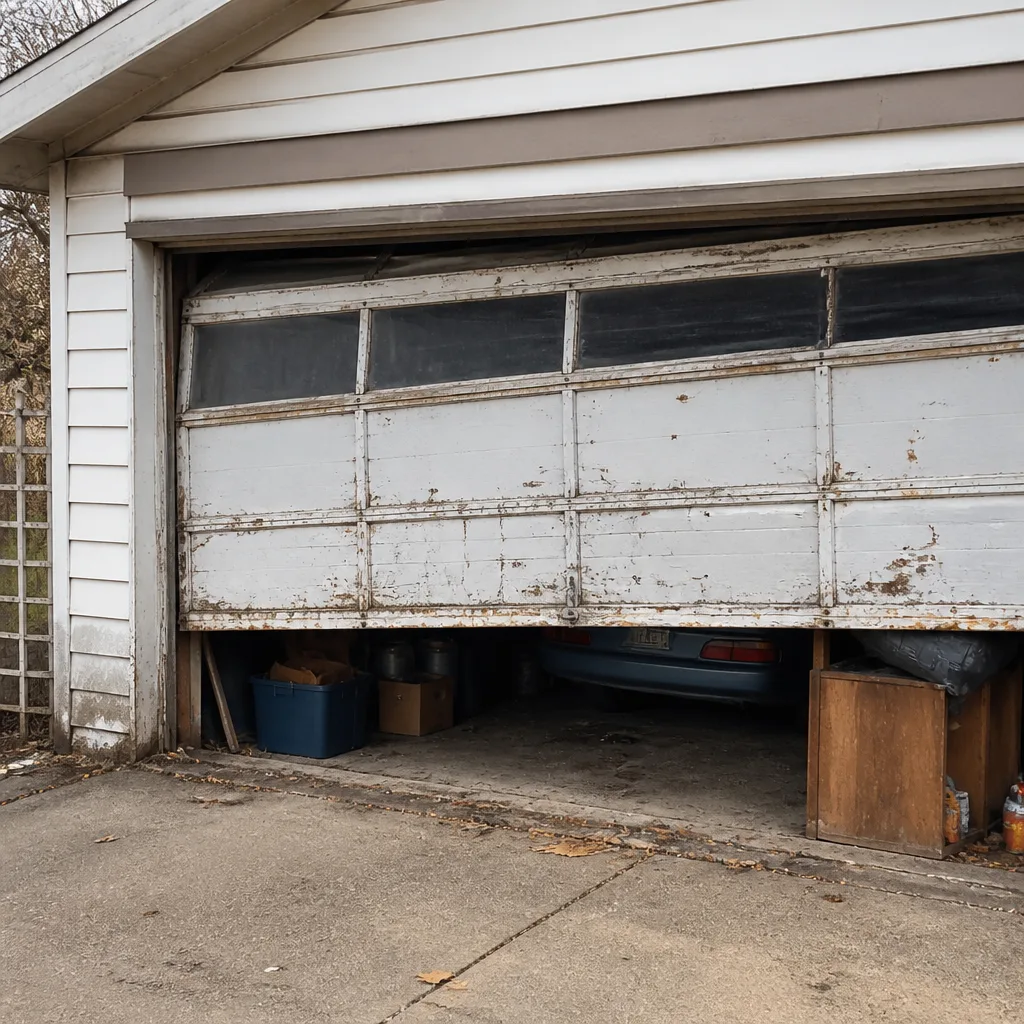 Before
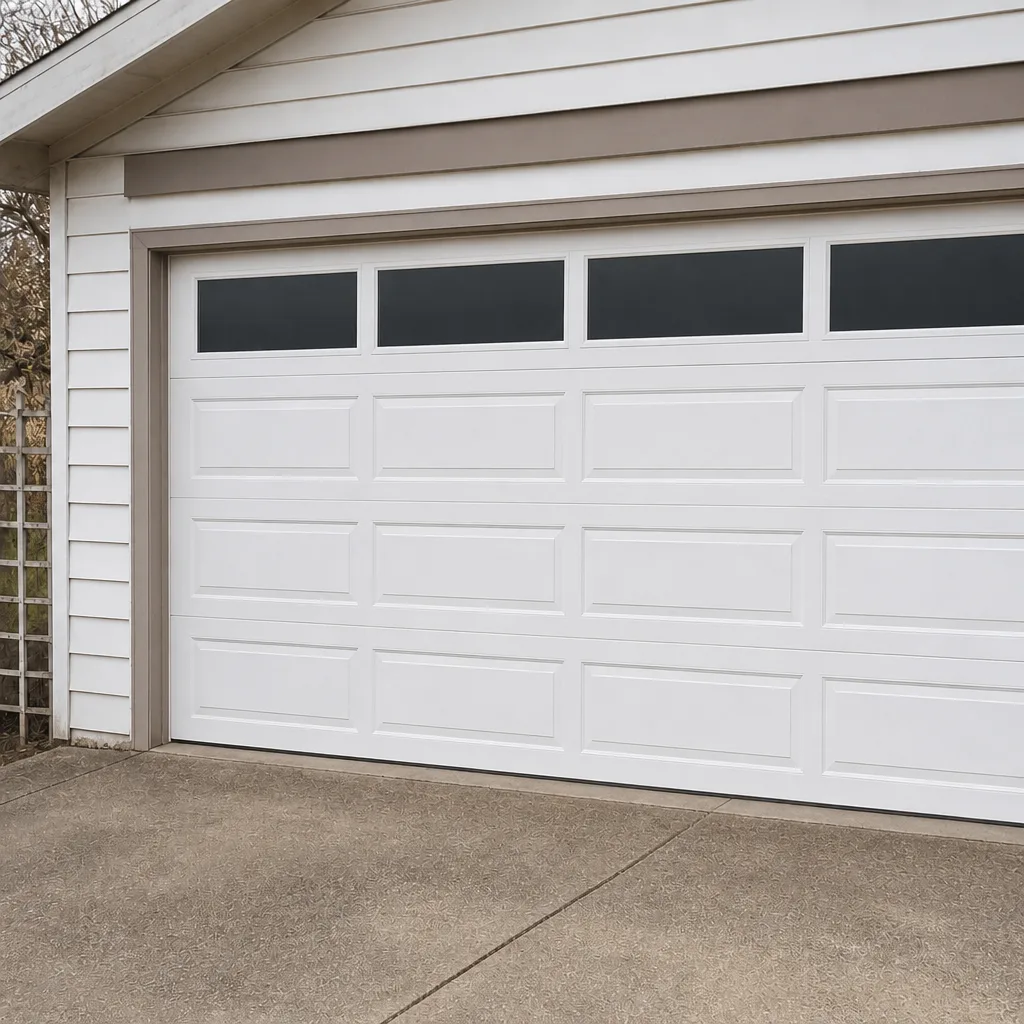 After
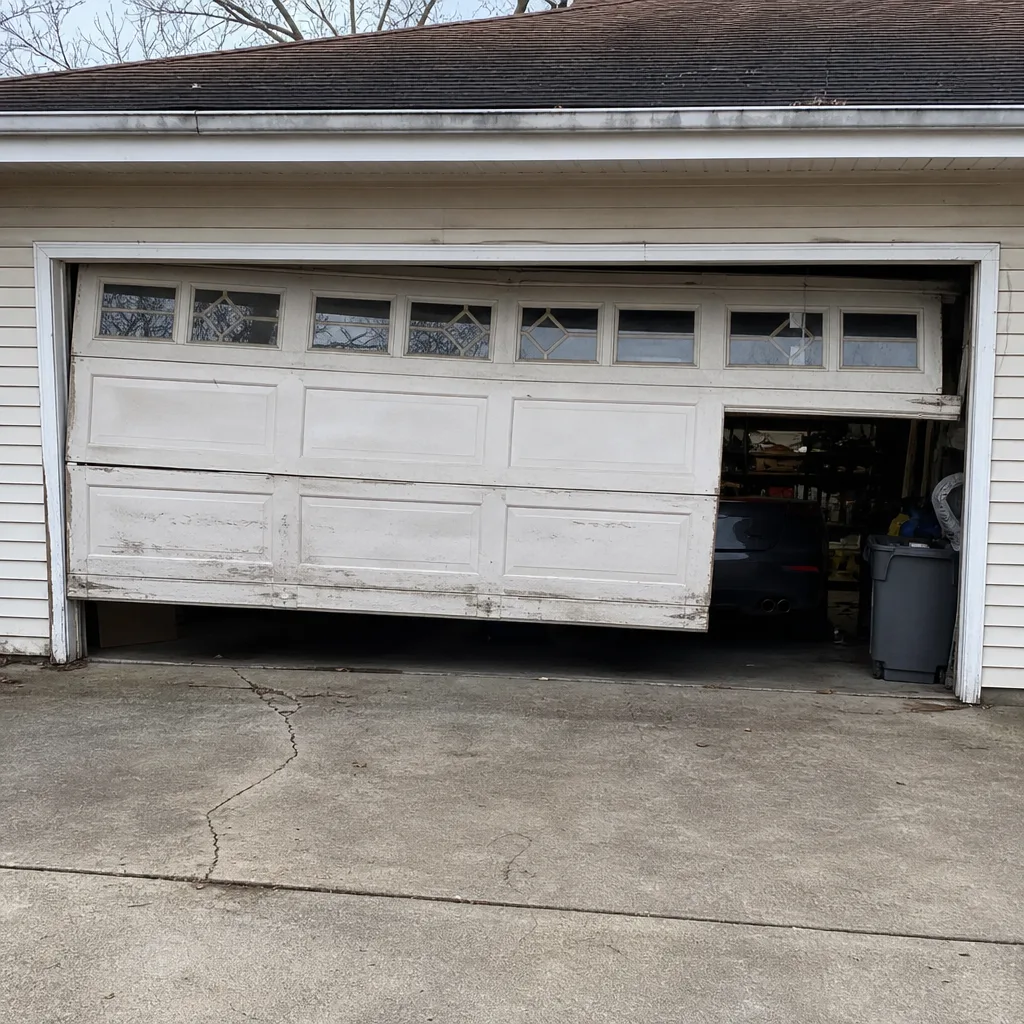 Before
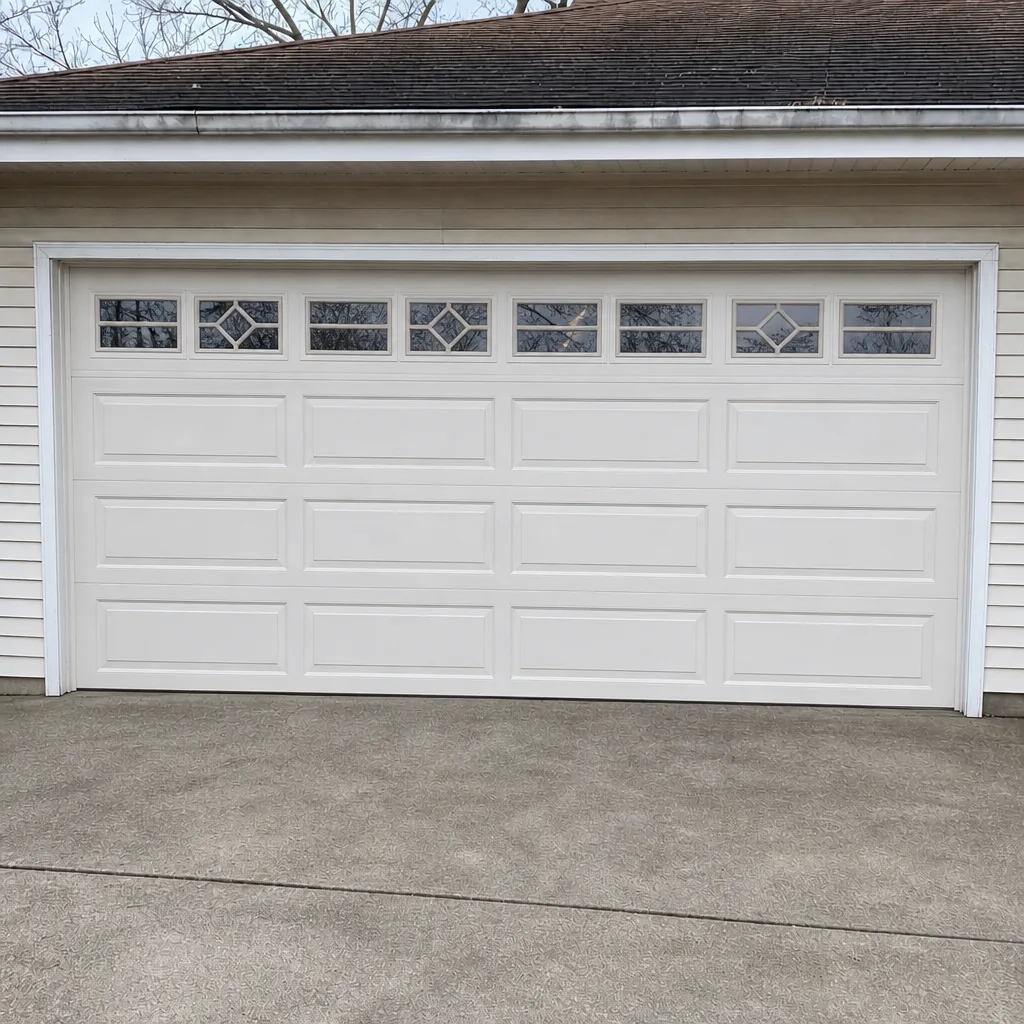 After
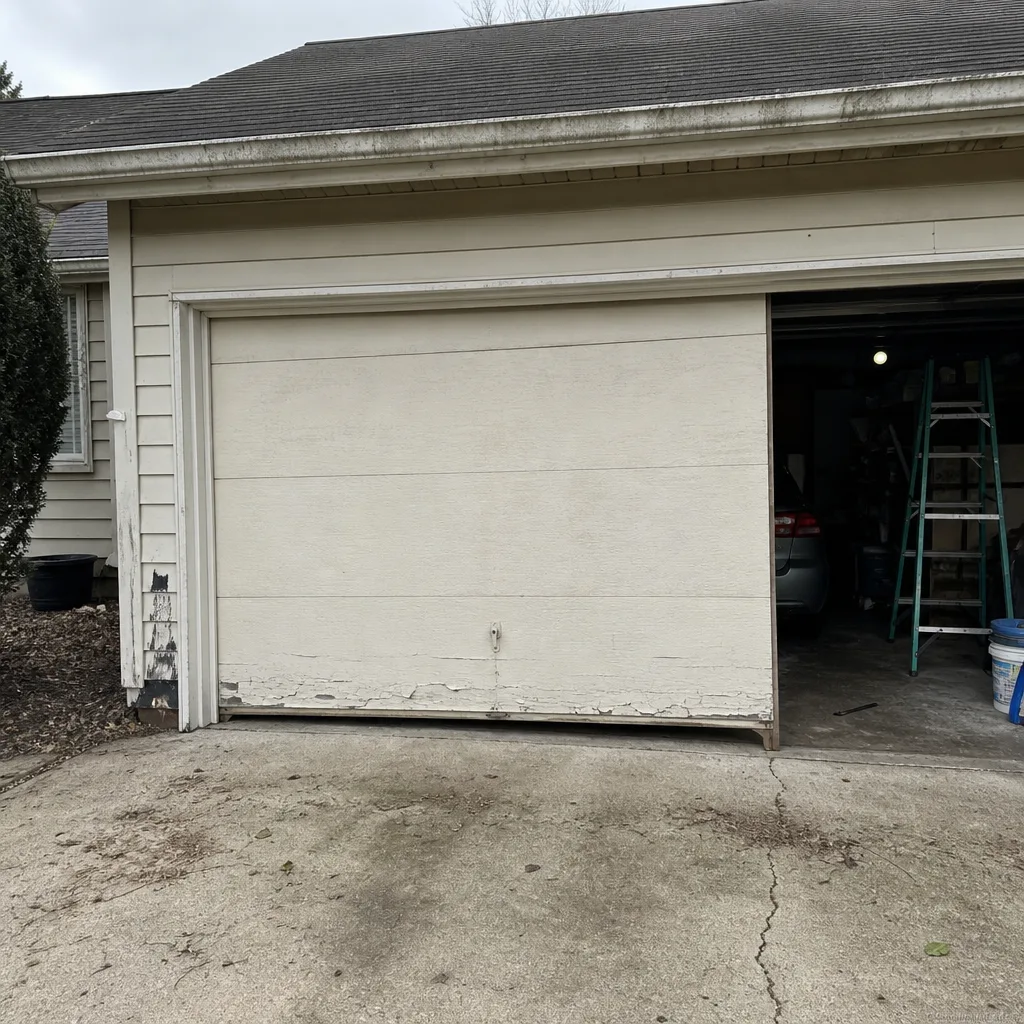 Before
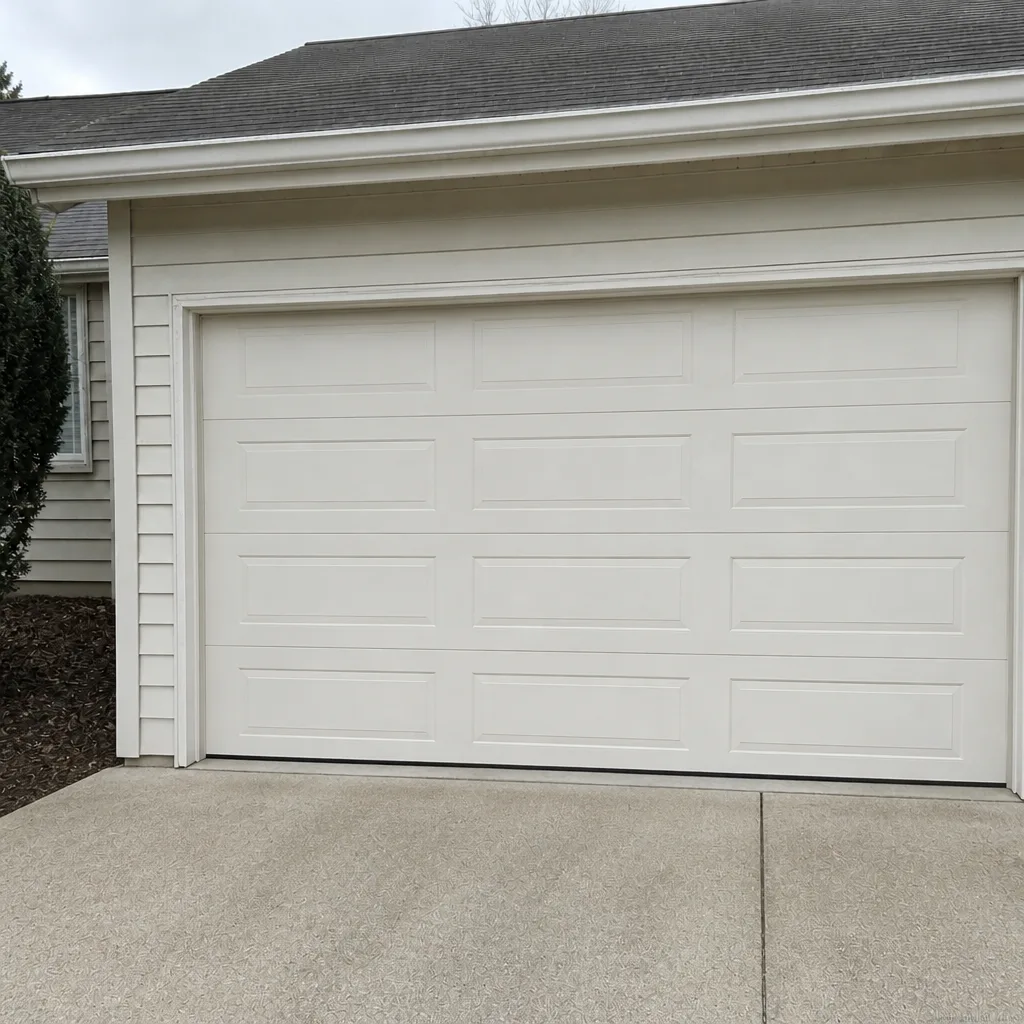 After
When to Call a Professional
Some garage door problems are safe to observe and worth a call. Others are an immediate stop. Call a professional if the door won’t open or close evenly, if you can see a gap in a torsion spring or a stretched extension spring, if a cable is frayed or hanging slack, if the door reverses or stops for no reason, if the opener grinds, strains, or makes a new noise, or if you see rust through any panel. For any spring or cable issue, leave the door down and don’t operate it until a technician has looked at it. Bramble Garage Door Repair offers free estimates in Rockford – call (855) 758-5321. Our technicians have up to 8 years of experience, and we work on both the door and the opener as one system so the diagnosis is complete rather than one part at a time.
Frequently Asked Questions
Typical garage door repairs in Rockford run from about a hundred dollars for simple fixes like rollers or a bottom seal up to several hundred for a spring or cable replacement, with the exact price set by a written estimate before work starts. The written estimate is the price, and it’s quoted and agreed before any work begins. Call (855) 758-5321 for an exact quote – estimates are free.
Often yes. We answer 24/7, fast dispatch runs from 7am to 7pm, Sunday through Friday, and a same-day visit is often possible for a door that won’t open. A call outside dispatch hours is booked into the next opening, Sunday through Friday, 7am to 7pm. Call (855) 758-5321 to check availability – estimates are free.
No. The price is set by the written estimate and quoted before any work starts. If the diagnosis changes, we tell you, give you a new written price, and only proceed once you agree. That’s the whole point of quoting per job rather than over the phone. Call (855) 758-5321 for an exact quote – estimates are free.
Our technicians are experienced and work under the company’s insured and bonded operation, and every job is quoted in writing before work begins. We can’t quote specific license or policy numbers unless they’re on file, so ask us when you call and we’ll point you to what we have. Call (855) 758-5321 – estimates are free.
Most Rockford garage doors should be repaired, not replaced. If the panels are sound and the issue is a spring, cable, roller, or opener, a repair usually gives you another decade of service for a fraction of replacement. Replacement makes sense when several panels are rusted through or bent, the door is 20 years or older with multiple simultaneous failures, or the repair cost approaches a meaningful share of a new door. Call (855) 758-5321 for a free estimate.
No, and this is the one repair we’d always recommend leaving to a trained technician. Torsion springs are under hundreds of pounds of stored tension, and the tools and training required aren’t DIY items. Extension springs carry similar risk. If you see a broken spring, keep the door down and call a professional. Call (855) 758-5321 – estimates are free.
Cold weather stiffens lubricants and makes steel more brittle, so parts that run smoothly in summer sound strained in January. That’s also when spring failures cluster. If a noise is new and doesn’t go away once it warms up, get it checked before it turns into a broken part. Call (855) 758-5321 for a free estimate.
Very likely. We work on the major residential brands, including LiftMaster, Chamberlain, Genie, Clopay, Wayne Dalton, and Raynor, and our team knows the parts and quirks of the ones you already own. If you’re not sure what you have, we’ll identify it as part of the diagnosis. Call (855) 758-5321 – estimates are free.
The Bottom Line
Your garage door is a system, not a single product, and treating it that way changes every decision you make about it. The panels are the long-term investment. Springs, cables, seals, and openers are the recurring costs. Rockford’s freeze-thaw cycle makes all of them wear faster than they would in a milder climate, which is why the maintenance habit matters more here. Most problems are repairs, not replacements, and a technician who diagnoses both the door and the opener together will tell you which one you’re facing without pressure. If you want a straight answer on your door in Rockford, that’s the conversation we’re here for.
Call (855) 758-5321 for a free estimate. We answer 24/7, and fast dispatch runs from 7am to 7pm, Sunday through Friday.
Written by the team at Bramble Garage Door Repair.