
Last updated November 16, 2026
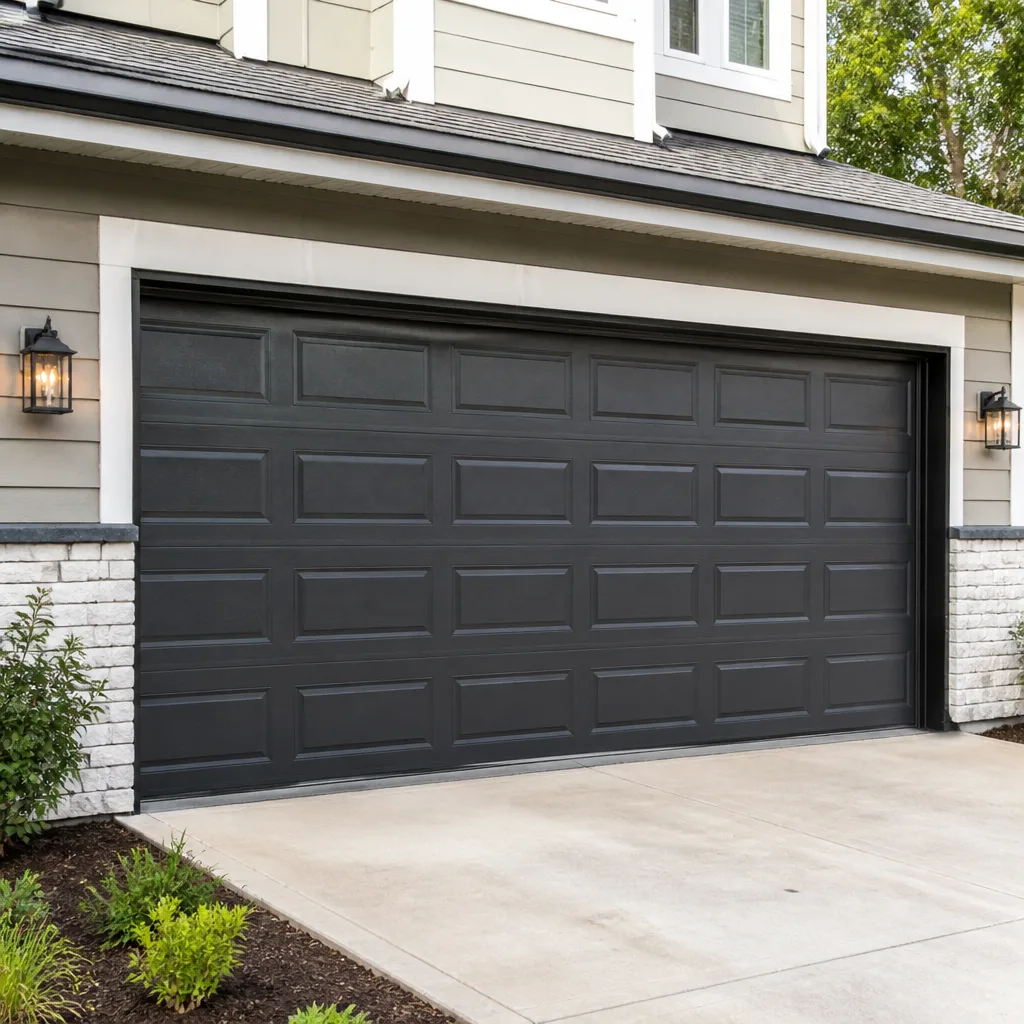 Raised-panel steel
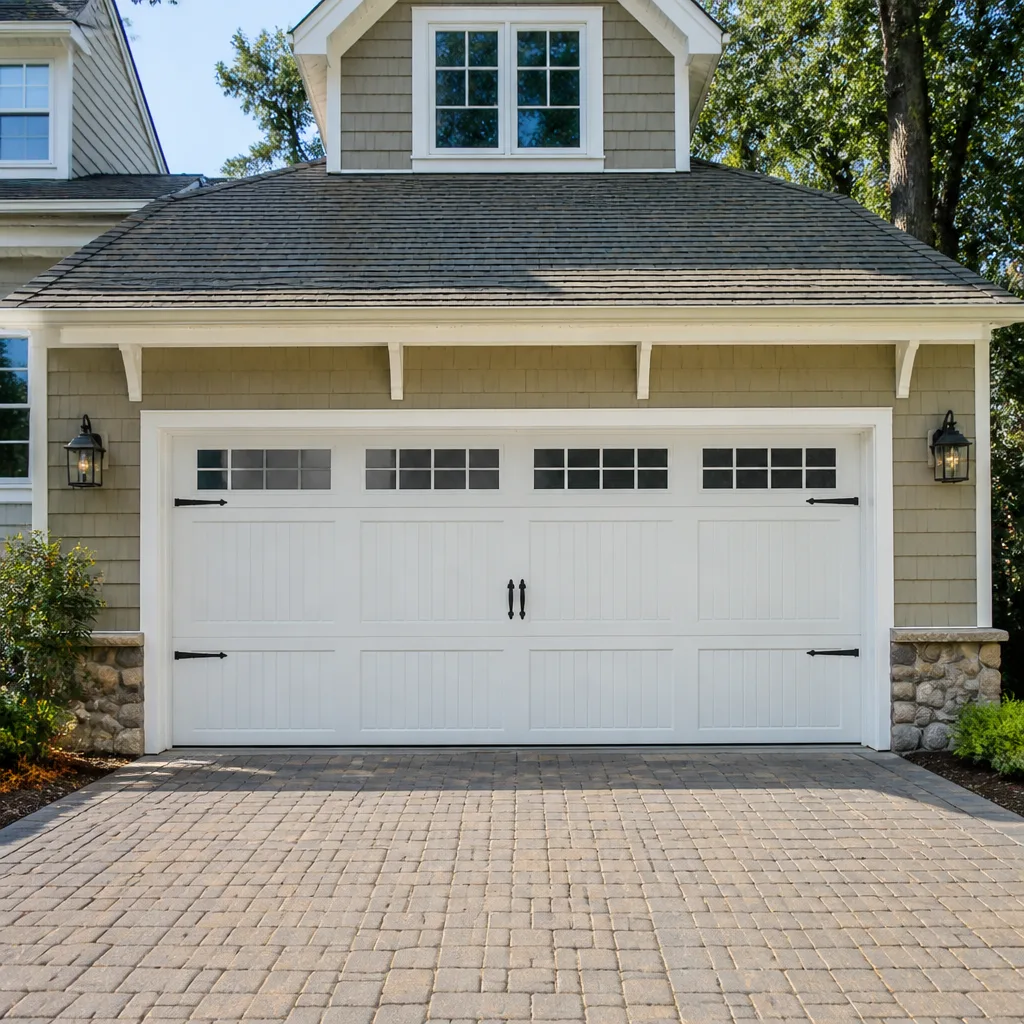 Carriage house
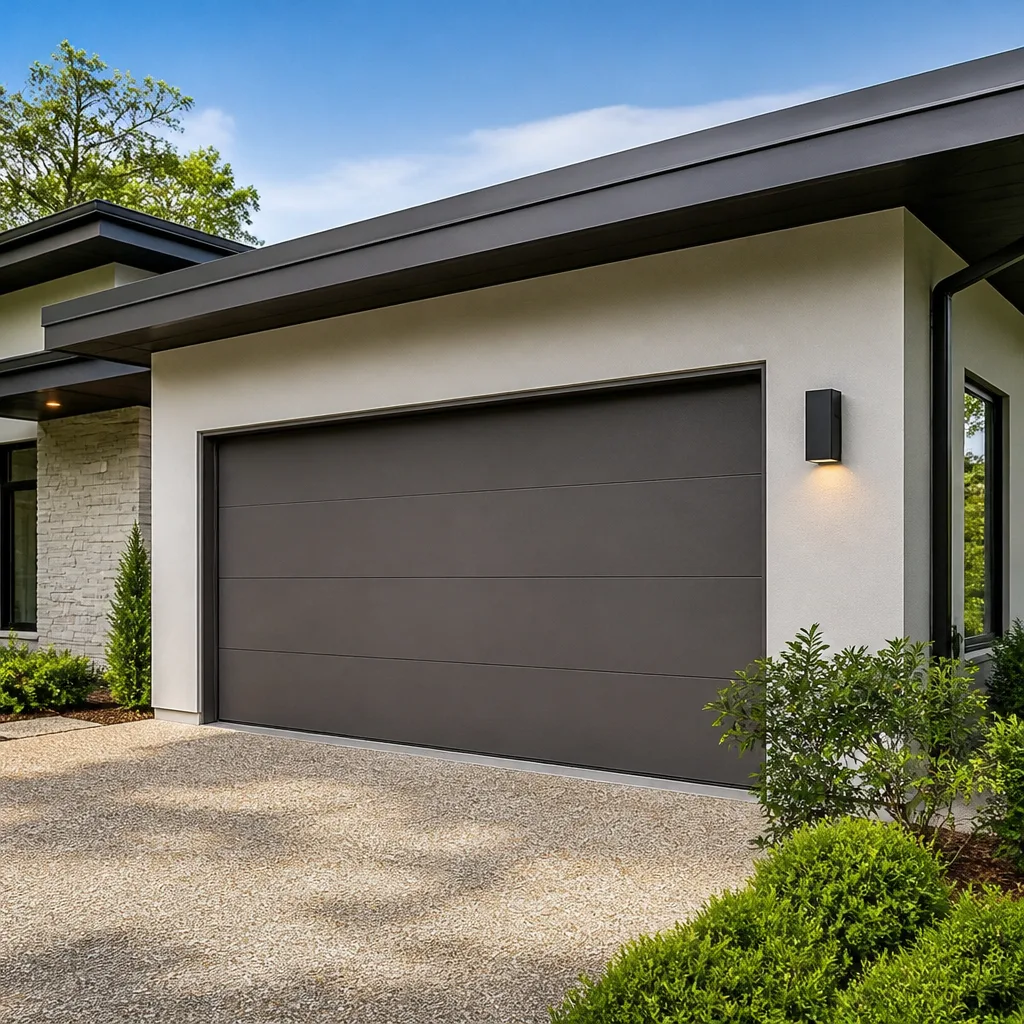 Modern flush
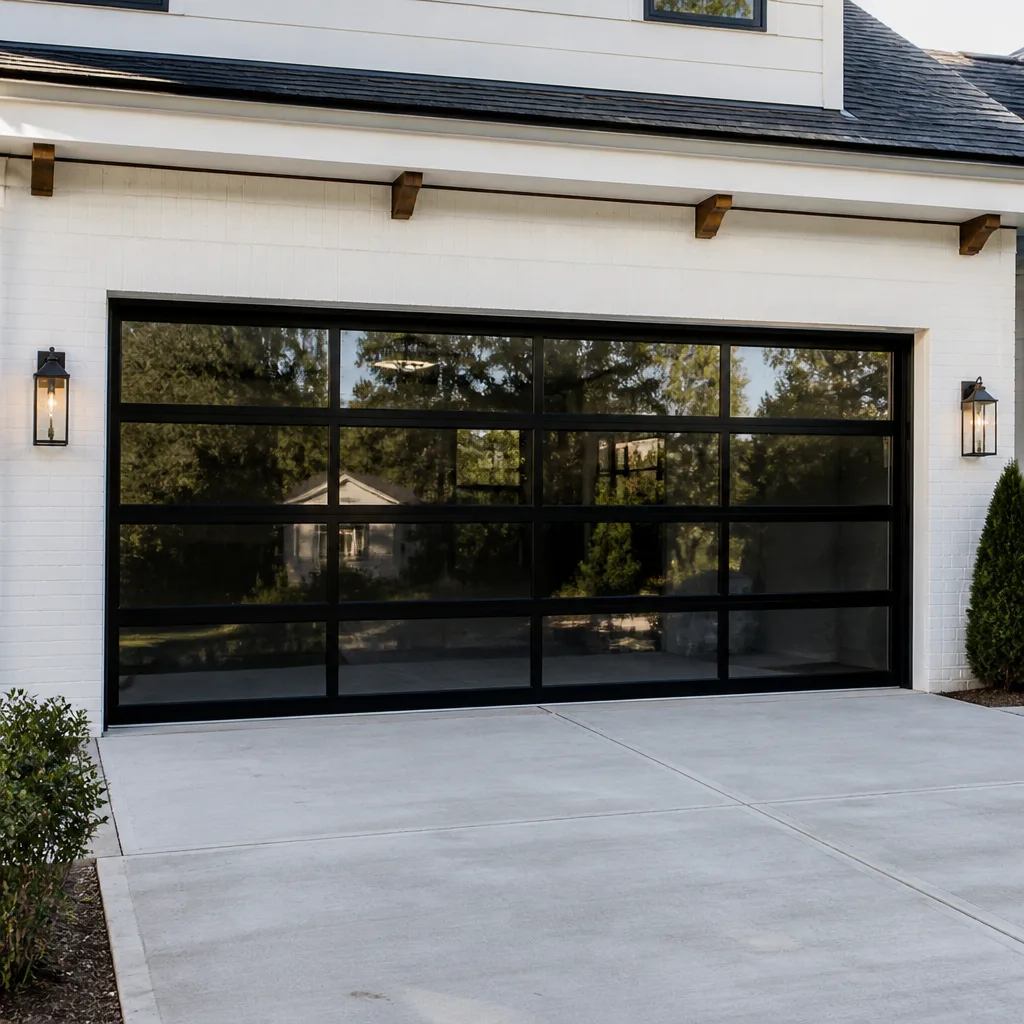 Full-view glass
 LiftMaster openers
 Chamberlain openers
Full 25-point door and opener safety check with every visit - springs, cables, rollers, tracks, and your LiftMaster or Chamberlain opener included
You get a price before we start. It does not change when the pro arrives.
Get your free estimateGarage Door Repair Troubleshooting in Rockford: Common Problems and How to Fix Them
A grinding noise isn’t always a track problem. A door that won’t open isn’t always the opener. That gap between the symptom you notice and the part that actually failed is where most garage door repair money gets wasted – on the wrong part, the wrong diagnosis, or a replacement quoted for something that only needed a repair. We’ve seen a simple cable fix get reworked into a much bigger bill because the homeowner described the wrong thing over the phone and nobody traced the noise to its real source. This guide shows you how to read your door by system – springs, tracks, cables, opener – so you can tell what’s genuinely wrong in your Rockford garage and what to do about it. You’ll learn the tests to run before you call anyone, which fixes are safe to try yourself, which ones aren’t, and how to describe your problem so the right parts show up on the first visit.
Quick Answer
Most garage door problems trace back to one of four systems: the springs, the tracks and rollers, the cables, or the opener. Troubleshoot by isolating which system is failing rather than reacting to the sound or the stuck door itself. In Rockford, freeze-thaw cycles through winter and spring are a frequent cause of warped tracks and cracked bottom seals that behave exactly like spring failures – so confirm the system before you call. Anything involving springs or cables should be handled by a trained technician, while lubrication and sensor alignment are safe for you to do.
Styles & brands we work with
- Raised-panel steel
- Carriage house
- Modern flush
- Full-view glass
- LiftMaster openers
- Chamberlain openers
Table of Contents
- The Symptom-to-System Diagnostic Map
- Three Tests to Run Before You Call Anyone
- Why Rockford’s Freeze-Thaw Cycles Cause Phantom Spring Problems
- Breaking Down Each Symptom: Noise, Movement, and Sensors
- Safe DIY Fixes vs. Jobs That Carry Injury Risk
- How to Describe Your Problem So the Right Parts Arrive
- Common Mistakes to Avoid
- When to Call a Professional
The Symptom-to-System Diagnostic Map
Troubleshooting works when you match the symptom to the system that produces it. Here’s how we sort what homeowners describe, mapped to the component that usually turns out to be responsible.
By noise type
- Sharp bang, like a firecracker, then the door won’t lift: a torsion or extension spring has broken. This is the single most common “the door just died” call we get.
- Rhythmic grinding or scraping: track misalignment, a bent track section at a curve, or a roller that’s jumped the track. Can also be dry rollers grinding on the track.
- Squealing or shrieking during travel: usually a lubrication issue at the rollers, hinges, or the torsion bar. Cheap to resolve when caught early.
- Rattling over the full travel: loose hardware – hinge bolts, roller stems, or the opener’s rail brackets.
- Clicking at the opener head: often the opener’s gear or sprocket rather than the door itself.
By movement failure
- Door lifts a few inches then stops: spring tension problem, or the opener is reversing on an obstruction.
- Opener runs but the door doesn’t move: broken spring, snapped cable, or a disconnected emergency release.
- Door sags on one side: a broken spring on one side of a two-spring torsion system, or a cable that’s come off its drum.
- Door comes down too fast or slams: spring tension or a failing torsion spring – a safety issue, not a nuisance.
By sensor or opener quirk
- Door reverses immediately after touching the floor: safety sensor misalignment, or a travel-limit setting that needs adjustment.
- Door goes down partway and reverses: obstruction in the sensor path, or a worn torsion spring that’s lost tension.
- Remote works intermittently: opener logic board, antenna, or a battery – easy to test, easy to rule out.
- Wall button works but the remote doesn’t: remote programming or opener receiver issue, not the door.
Notice how few of these point to the door panels or the opener as the primary suspect. Most Rockford calls we handle resolve to springs, cables, or track alignment. Getting that mapping right is the whole game.
Three Tests to Run Before You Call Anyone
You can narrow down 80 percent of garage door problems in about five minutes with three tests. None of them require touching a spring or cable. Run all three and note the results before you pick up the phone.
Test 1: The manual release test
- With the door fully closed, pull the red emergency release cord on the opener rail. This disconnects the door from the opener.
- Lift the door by hand to about waist height and let go.
- What each result means: if the door stays up on its own, springs and cables are likely fine – the problem is in the opener. If the door drops or won’t hold its weight, the problem is the spring or cable system, and the opener is working correctly.
This is the most valuable test in the entire guide. It separates door-system failures from opener failures in one motion.
Test 2: The safety sensor test
- With the door open, press the wall button to close it and pass your hand through the sensor beam.
- What each result means: if the door reverses, the sensors are functioning. If it doesn’t reverse, the sensors are misaligned, blocked, or faulty – and the door should not be operated until fixed. If it reverses when nothing is in the beam, the sensors are dirty or misaligned.
Test 3: The balance test
- Disconnect the opener using the release cord again.
- Lift the door to about halfway and let go. It should hold roughly in place.
- What each result means: holding means springs are balanced. Dropping fast or lifting too easily means the spring tension is off – a job for a technician.
Write down what each test showed. A technician who hears “Test 1: door drops, Test 2: sensors fine, Test 3: door crashed down” knows the springs are the problem before they leave their last job.
Why Rockford’s Freeze-Thaw Cycles Cause Phantom Spring Problems
Rockford sits in a climate with hard winters and wide temperature swings between seasons. That freeze-thaw cycle does specific things to garage doors that don’t happen in milder parts of the country, and it produces failures that look like one problem but are actually another.
Track warping that mimics spring failure
When groundwater freezes under a slab or the track’s anchor bolts work loose over repeated freeze-thaw, the vertical track can bow inward or out. A bowed track pinches the rollers, which makes the door bind and lift slowly. Homeowners often read that as a spring problem. It isn’t. The tell: the door moves fine on the manual release test but binds at a specific height – usually where the track curves. This is common on older doors in neighborhoods like Churchill Grove and the older streets near downtown Rockford, where slabs and anchor plates have been through decades of winters.
Bottom seal failure
The bottom seal on a garage door takes the brunt of ice, snow melt, and standing water. When it cracks or hardens, the door can catch on it during the closing cycle, or the seal can freeze to the floor, causing the opener to strain or reverse. A frozen seal feels like an opener failure. It’s not – it’s a seal replacement, done correctly with the right replacement profile for your door model.
Cable and drum corrosion
Cables corrode and weaken from repeated moisture exposure, and the drum hardware at the top of the door can seize. A seized drum creates the same symptom as a broken spring: the door fights on one side. If you’ve ruled out a snapped cable by sight, the drum itself may need freeing or replacing.
When we diagnose a door in Rockford, we always check the seal and the track anchors before we settle on a spring diagnosis. That’s not cautious guesswork – it’s what the local climate demands.
Breaking Down Each Symptom: Noise, Movement, and Sensors
Here’s the same diagnostic logic in a deeper format, focused on what homeowners actually describe when they call.
Grinding or scraping
Grinding almost always means metal-on-metal contact. The most common culprit is a roller that has come out of its track, or a track section that’s been bent by a car bumper or by ice movement. Greasing a grinding door won’t fix it – the roller has to be reseated and the track straightened. A grinding door operated repeatedly can chew through the roller stem and damage the hinge.
Spring bang followed by a dead door
A torsion or extension spring has snapped. The door will not lift safely. Do not force it, do not try to open it repeatedly, and do not touch the spring. A broken torsion spring holds thousands of pounds of stored force – it’s one of the most dangerous components in a home. This is the clearest possible case for calling a professional, and it’s covered in our guide to garage door repair for anyone who wants the full breakdown.
Door lifts a few inches and stops
Run the manual release test. If the door holds its own weight, the opener is the suspect – usually travel limit settings, a failing logic board, or a motor under strain. If the door drops, the spring system is the problem. Most garage door opener repair calls in this category actually begin with a proper door test.
Door reverses without obstruction
The safety sensors are misaligned, dirty, or the opener’s travel limits need adjustment. On older openers, a failing logic board can also cause phantom reversals. Sensor alignment is a safe homeowner fix. Logic board diagnosis needs a technician and the right diagnostic sequence for your opener brand.
Door closes and immediately reverses at the floor
The safety sensor photo-eye sees the floor or a shadow as an obstruction. This is usually alignment, but on some opener models it’s a symptom of a loose wire at the head unit. Test the sensors first. If they pass, the head unit needs a technician.
One important note: with brands like LiftMaster, Chamberlain, Genie, Clopay, Amarr, Wayne Dalton, Craftsman, and Raynor, each model has its own diagnostic sequence. The opener LED blinks are the fastest path to the answer – but you have to know what the specific brand’s pattern means. That’s the practical reason brand knowledge matters more than generic troubleshooting advice.
Safe DIY Fixes vs. Jobs That Carry Injury Risk
We’d rather you understand exactly where the line is than attempt something unsafe. Some garage door problems are genuinely things a homeowner can handle. Others are genuinely dangerous, and no amount of reading makes them safe.
Safe to do yourself
- Lubrication. A few drops of garage-door lubricant on the rollers, hinges, and torsion bar bearings is one of the best preventive maintenance steps you can take. Use a product made for garage doors, not WD-40.
- Sensor alignment. The safety sensors sit on the track about six inches above the floor. A light nudge – or checking for a leaf or spider web in the lens – fixes most reversals. The LED on each sensor tells you if it’s seeing the other.
- Remote battery replacement and reprogramming. If the wall button works and the remote doesn’t, start with a new battery, then reprogram the remote to the opener.
- Visual inspection. Look for slack cables, sagging door panels, bent tracks, and worn seals. Spotting a problem early saves real money.
- Clearing the sensor path. Simple but surprisingly common – a trash can or garden tool bag in the beam causes more false reversals than any worn sensor.
Not safe to do yourself
- Spring replacement or adjustment. Torsion springs hold hundreds of pounds of torque. Extension springs can release violently. Both cause serious injury every year when handled by untrained hands.
- Cable tensioning or replacement. Cables are under extreme tension – a snapped cable can lash out. Do not touch them.
- Bottom bracket work. The bottom bracket is under extreme tension from the cable, even with the door down.
- Opener board replacement. The opener’s electrical board should be done by a technician who can verify wiring and matching.
- Track realignment on a loaded door. Adjusting a bowed track with the door under spring tension risks the door falling out of the track.
If reading that list made you second-guess one, trust the instinct. The most common injuries in this trade happen to homeowners who read a blog post and decided to try a spring replacement. Call a trained professional for the second list – every time.
How to Describe Your Problem So the Right Parts Arrive
Most repeat visits on a garage door job happen because the technician shows up carrying the wrong part. That’s not a competence problem – it’s an information problem. If you can describe your door, your opener, and your symptom accurately when you call, the first visit usually comes once.
What to have ready before you call
- Door brand and rough style. If you see a manufacturer label on the door’s inner panel – Amarr, Wayne Dalton, Clopay, Raynor – read it to us. Door styles matter too: sectional, one-piece, carriage style. Brand plus style tells us which parts are compatible.
- Opener brand and model, if visible. The opener head unit is on the ceiling. The brand name and model number are usually printed on the back cover. This is the single most useful thing you can tell us. As a company that works on LiftMaster, Chamberlain, Genie, Clopay, Amarr, Wayne Dalton, Craftsman, and Raynor, we can usually identify the correct replacement parts from the model number alone.
- What the door does and what it doesn’t do. “Lifts a foot, then stops” is useful. “It’s broken” isn’t. That level of specificity is what lets the right parts show up.
- Your three test results. The manual release, sensor, and balance tests from earlier. Say which passed and which failed.
- Any noise or visual detail. A grinding noise, a sagging panel, a spot of rust on the cable – all of it matters.
What to do if you don’t have any of this
That’s fine. Most homeowners don’t. We’ll walk you through the manual release test and the sensor test on the phone and get a solid diagnosis that way. On Rockford calls in particular, we ask about recent freeze-thaw conditions because that determines what we suspect before we even see the door. We can work with a detailed description or a plain “it won’t open” – just don’t guess at the cause. Let the tests tell you.
When you do call us, the important thing is the phone number and the fast response. Call (855) 758-5321. We answer 24/7. Fast dispatch from 7am to 7pm, Sunday through Friday.
Common Mistakes to Avoid
- Forcing a door that’s binding on a bent track. This feels like a simple fix – just push harder – but it chews the rollers and can snap the cable. Stop operating a door that binds at the same height every time.
- Greasing a grinding noise instead of finding the source. A grinding door usually has a roller out of its track or a bent track section. Lubricant on top of a metal-on-metal problem just masks the noise for a few days while the track chews through the roller stem.
- Replacing the opener when the springs are broken. We see this in Rockford more than anywhere – homeowners replace the opener first, the new opener strains against a broken spring, and the opener motor burns out a few weeks later. Run the manual release test before you buy anything.
- Assuming a spring is broken because the door won’t lift. The manual release test will tell you whether the issue is the spring or the opener. A door that holds its own weight with the opener disconnected has working springs.
- Ignoring the bottom seal through winter. A hardened or frozen seal causes opener strain. Replacing it in the fall, before the freeze sets in, prevents a mid-January failure.
- Adjusting torsion springs without the right winding bars. Even experienced DIYers who’ve watched videos underestimate the stored force. This is the one mistake that lands people in the emergency room.
- Calling without your opener model number. It costs you a second visit when the technician brings the wrong logic board or travel limit hardware. Look on the head unit before you call.
When to Call a Professional
Call a professional any time you see a broken spring, a snapped or slack cable, a door that closes too fast, a bottom bracket issue, or an opener that reverses without an obstruction you can clear. Call immediately if the door has dropped partway or has come off one track – operating it further risks the door falling. Call before winter if your bottom seal is cracked or your door grinds on its first lift of the season. And call if the manual release test shows the door won’t hold its own weight.
Bramble Garage Door Repair offers free estimates in Rockford – call (855) 758-5321. Our technicians have up to 8 years of experience, and we work on the brand you already have. We treat the door and the opener as one system because they fail as one system. If your opener is the issue and not the door, we cover that too – our Bramble Garage Door Repair team handles repair, opener work, and full installation, so there’s no handoff to a subcontractor in the middle of a diagnosis.
See the difference
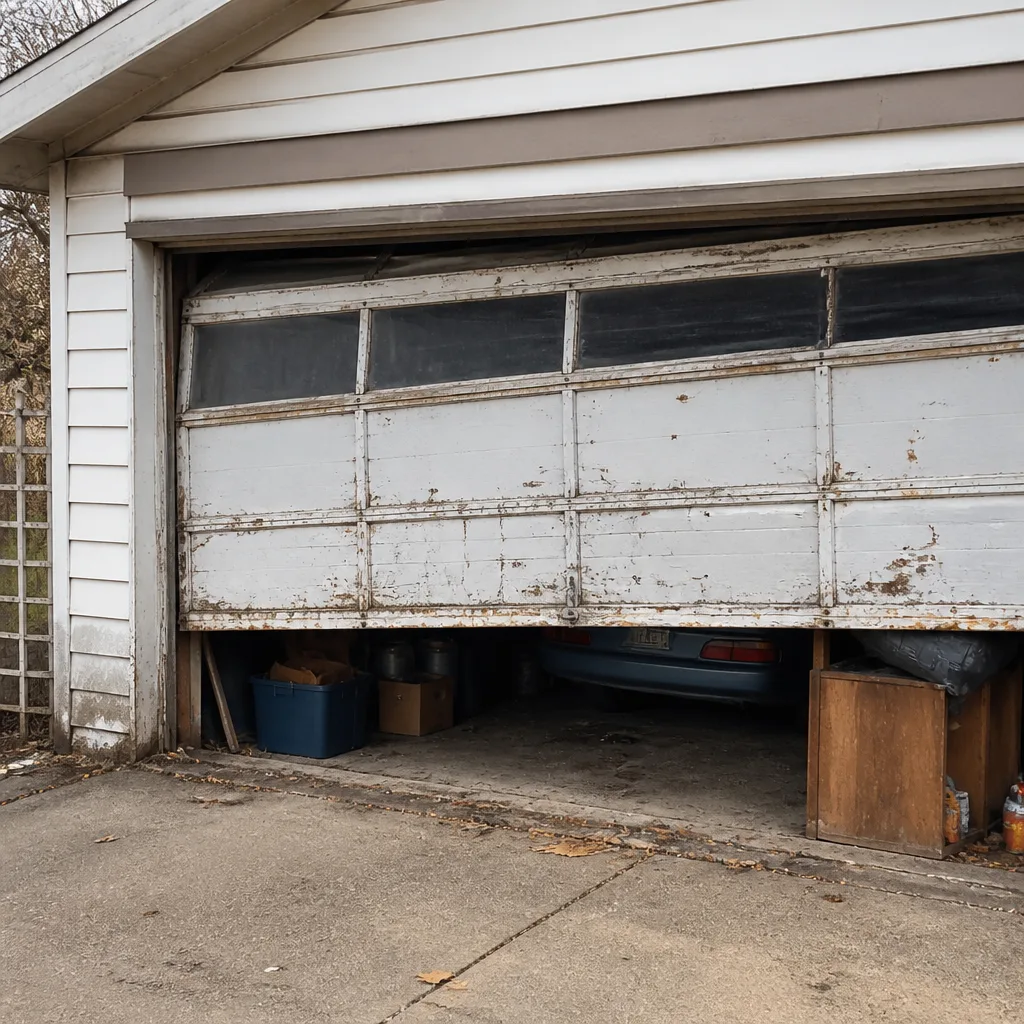 Before
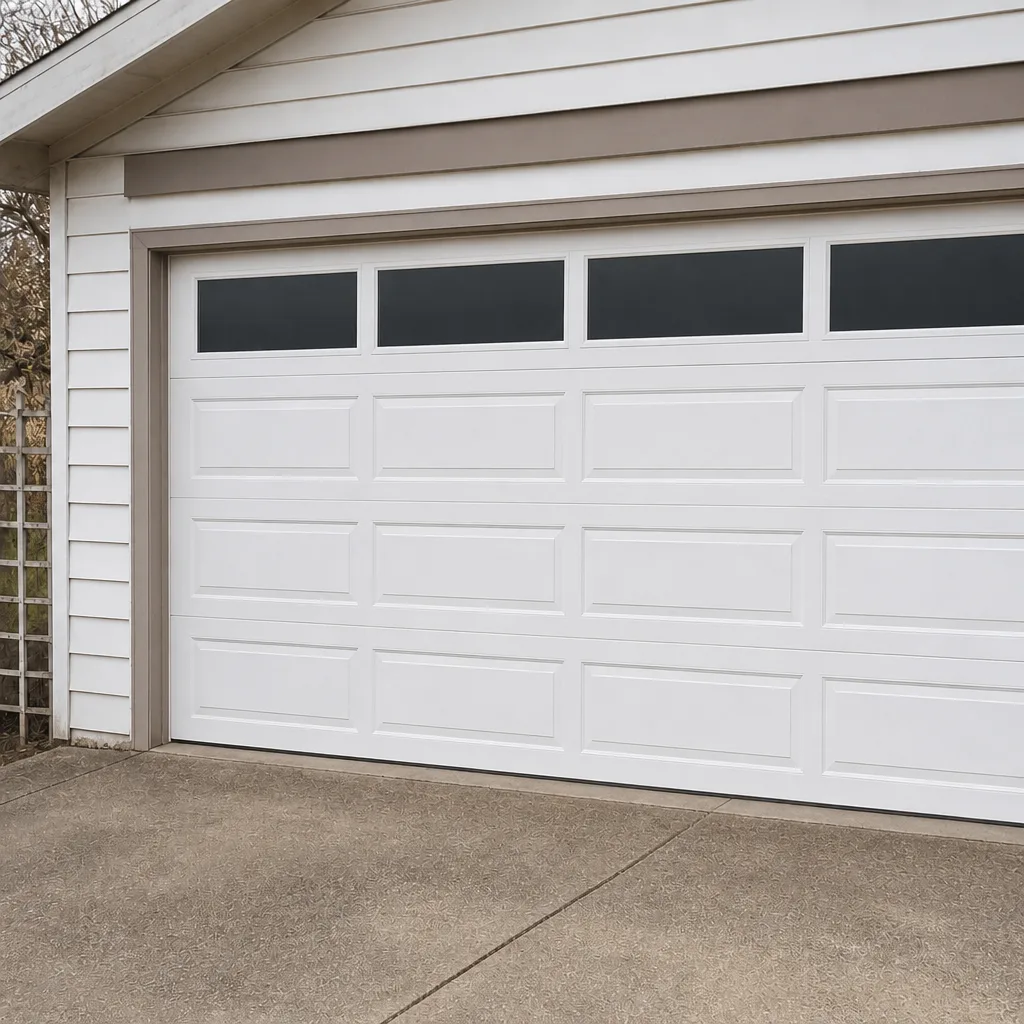 After
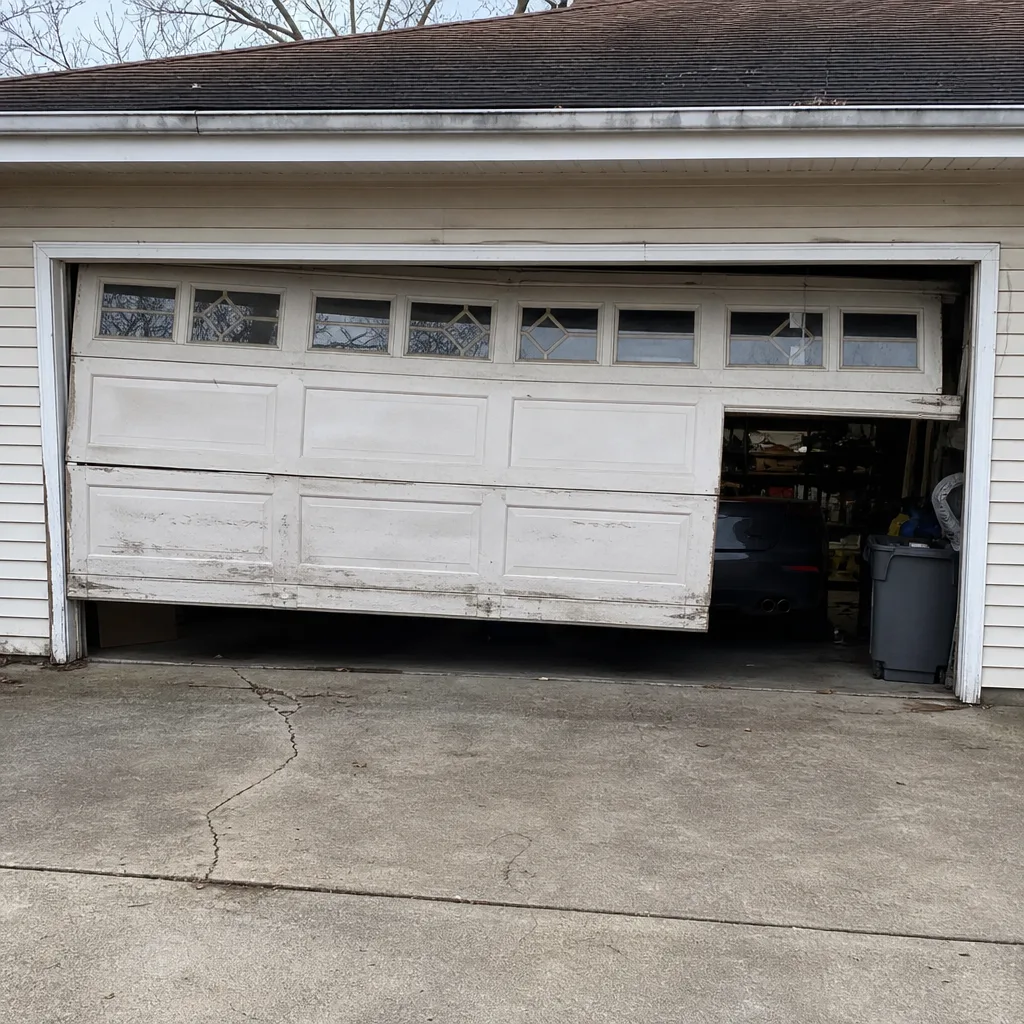 Before
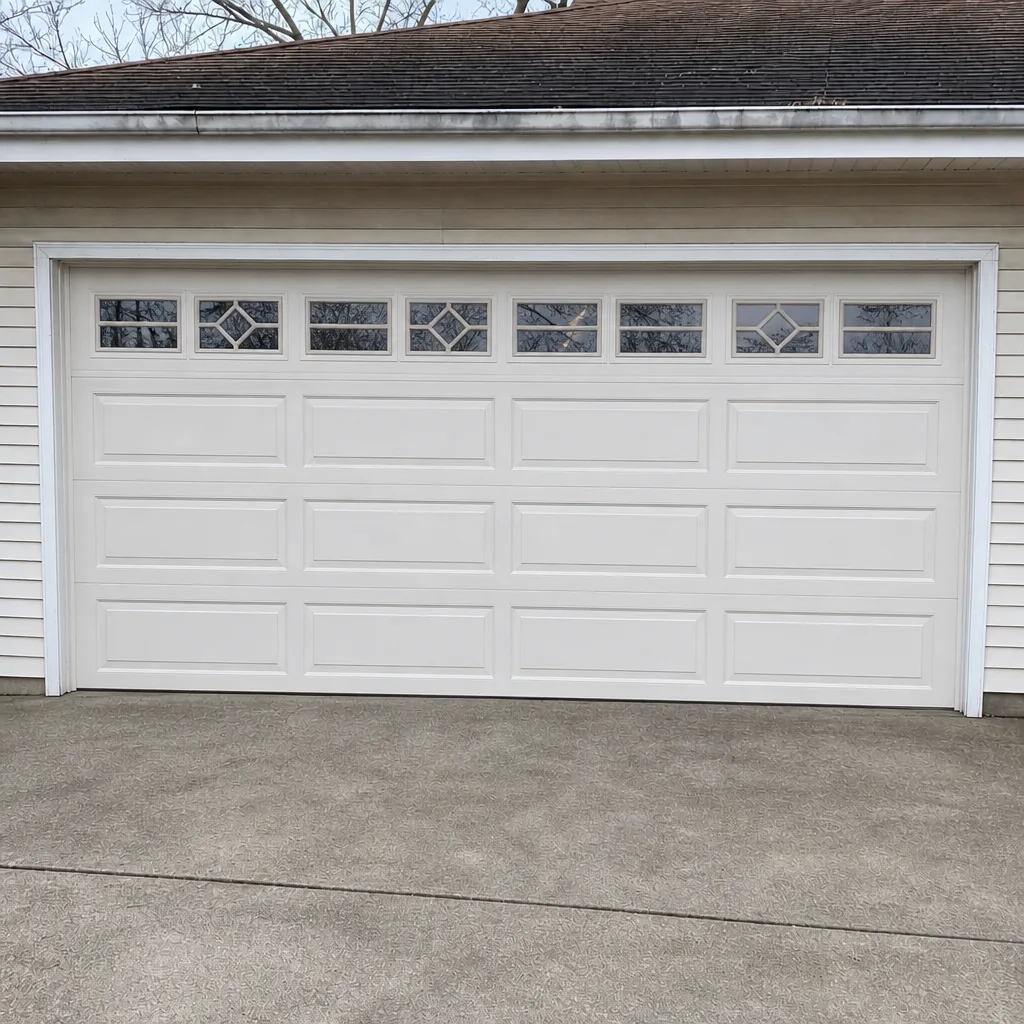 After
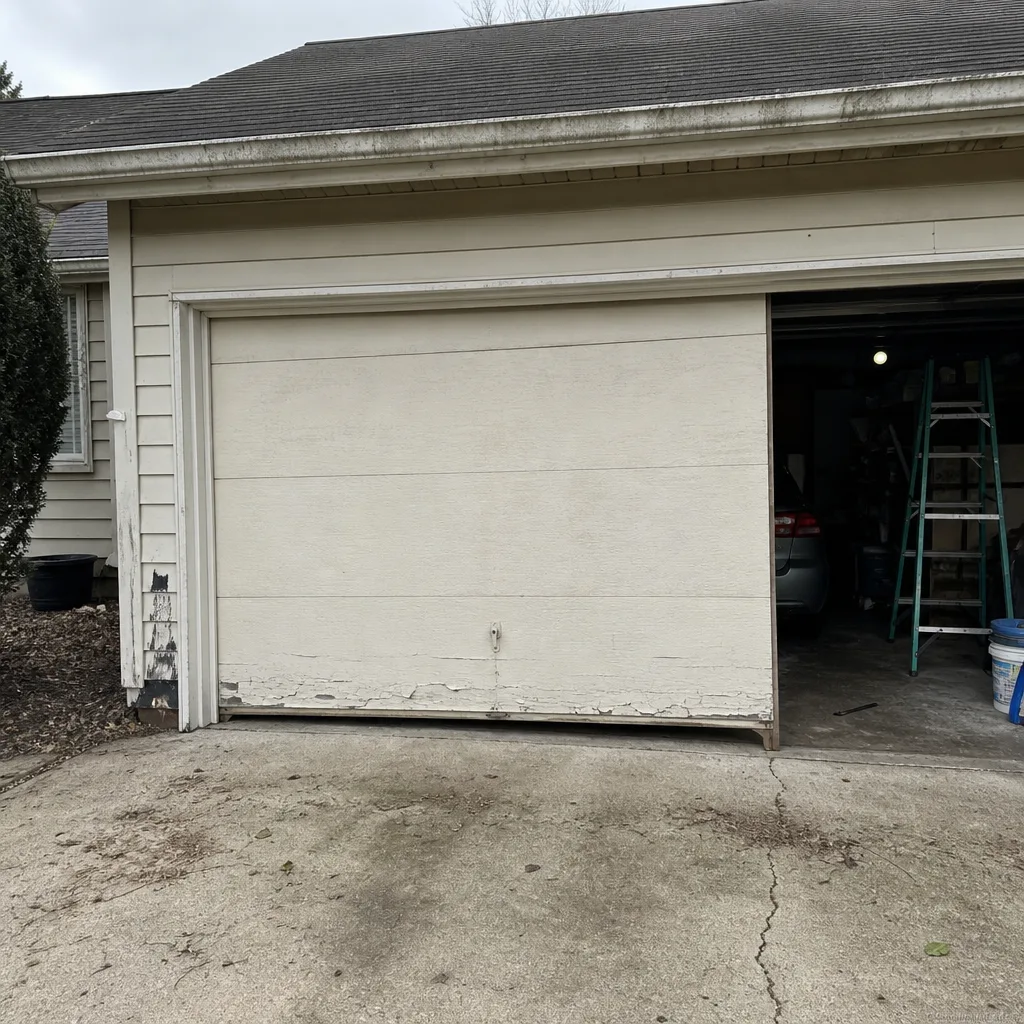 Before
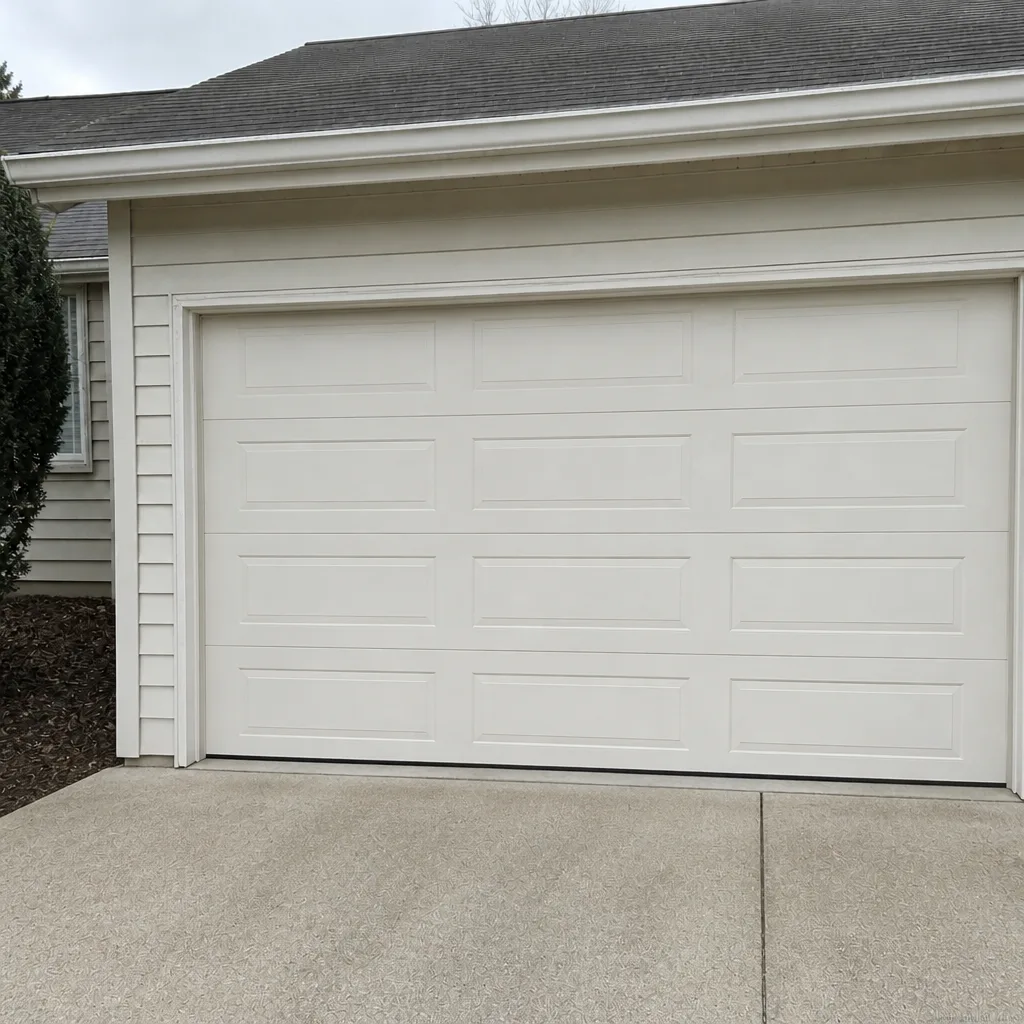 After
Frequently Asked Questions
A door that opens a few inches and stops is usually fighting a spring problem or is tripped by a reversing safety sensor. Run the manual release test first: if the door drops when you let go, the springs need attention. If it holds, the opener or sensors are the cause. Call (855) 758-5321 for an exact quote – estimates are free.
Pull the red emergency release cord to disconnect the opener, then try lifting the door by hand. If the door lifts with normal effort, the springs are fine and the opener is the problem. If the door is too heavy to lift or drops, the spring system is the issue. Either way, don’t force a door you can’t lift by hand – call (855) 758-5321.
Grinding on a Rockford door during winter is usually a track that’s been pushed out of alignment by freeze-thaw movement in the slab, or a roller that’s dried out and is grinding on the track. It’s rarely the opener. Lubricating the rollers can quiet a dry roller temporarily, but a grinding door with a visible bow in the track needs a track realignment, not just lubrication. Call us for a free estimate.
No. Torsion and extension springs hold enough stored force to cause serious injury, and replacing one without the right winding bars and knowledge is one of the most dangerous home repairs you can attempt. Spring replacement is a job for a trained technician, every time. Call (855) 758-5321 and we’ll quote it before anyone starts.
No. The price is quoted and agreed before any work starts, and the written estimate sets the final price. Our diagnostics over the phone are designed to get the right parts on the first visit so nobody’s surprised when the invoice arrives. Call (855) 758-5321 for a free estimate.
Lubrication, sensor alignment, remote battery replacement, and visual inspection are safe for a homeowner. Anything involving a spring, cable, bottom bracket, or the opener’s electrical board is not. If you’re not sure which category your problem falls into, run the three tests in this guide, then describe the results when you call – our technicians will tell you what’s safe to try and what isn’t.
The Bottom Line
Troubleshoot by system, not by symptom. Match the noise or the failure to the component that produces it – springs, tracks, cables, opener – and you’ll almost always land on the right diagnosis. Run the three tests before you call anyone, because they separate door problems from opener problems in minutes. Respect the safety line: springs, cables, bottom brackets, and opener boards are professional work, full stop. And describe your door and opener accurately when you call, so the right parts show up on the first trip. In Rockford, the freeze-thaw cycle makes track and seal failures look like spring failures, so check those first. Call (855) 758-5321 for a free estimate – we answer 24/7, with fast dispatch from 7am to 7pm, Sunday through Friday.
Written by the team at Bramble Garage Door Repair.