
Last updated November 16, 2026
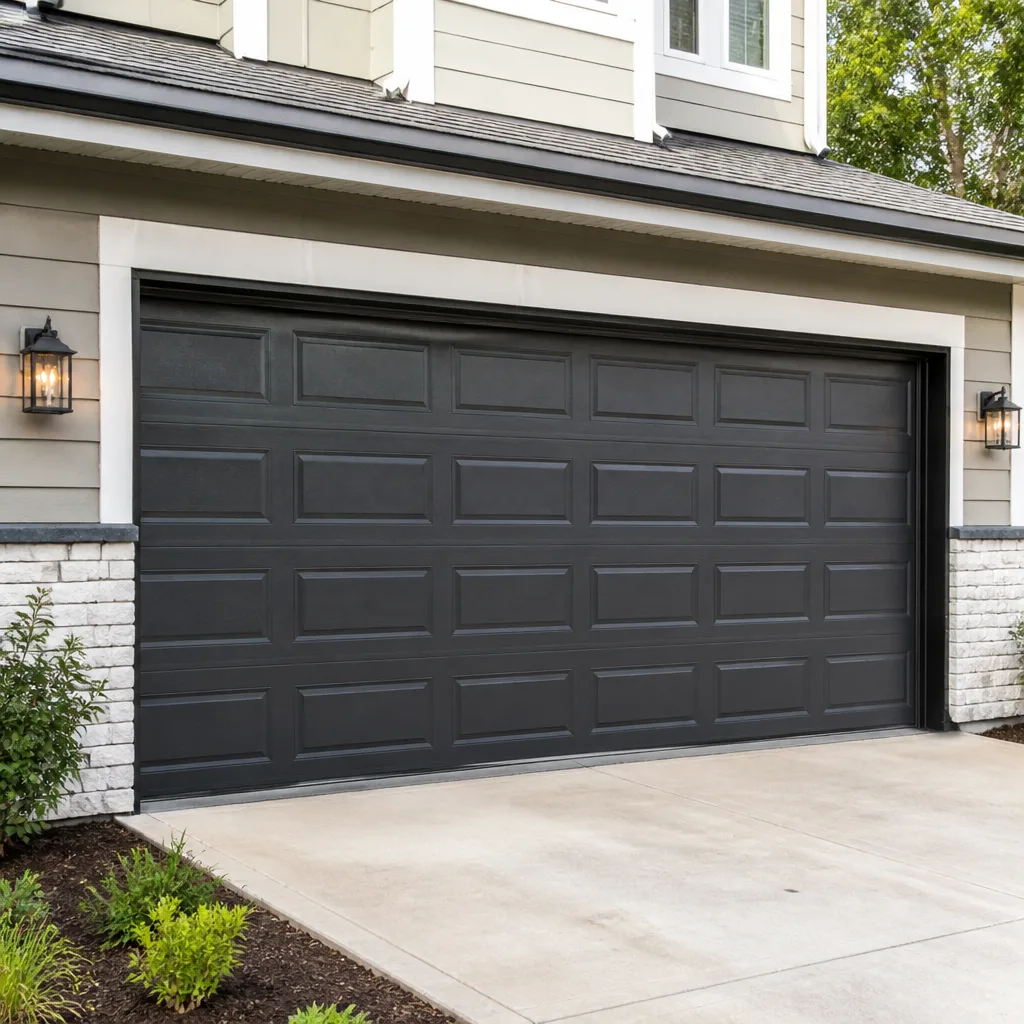 Raised-panel steel
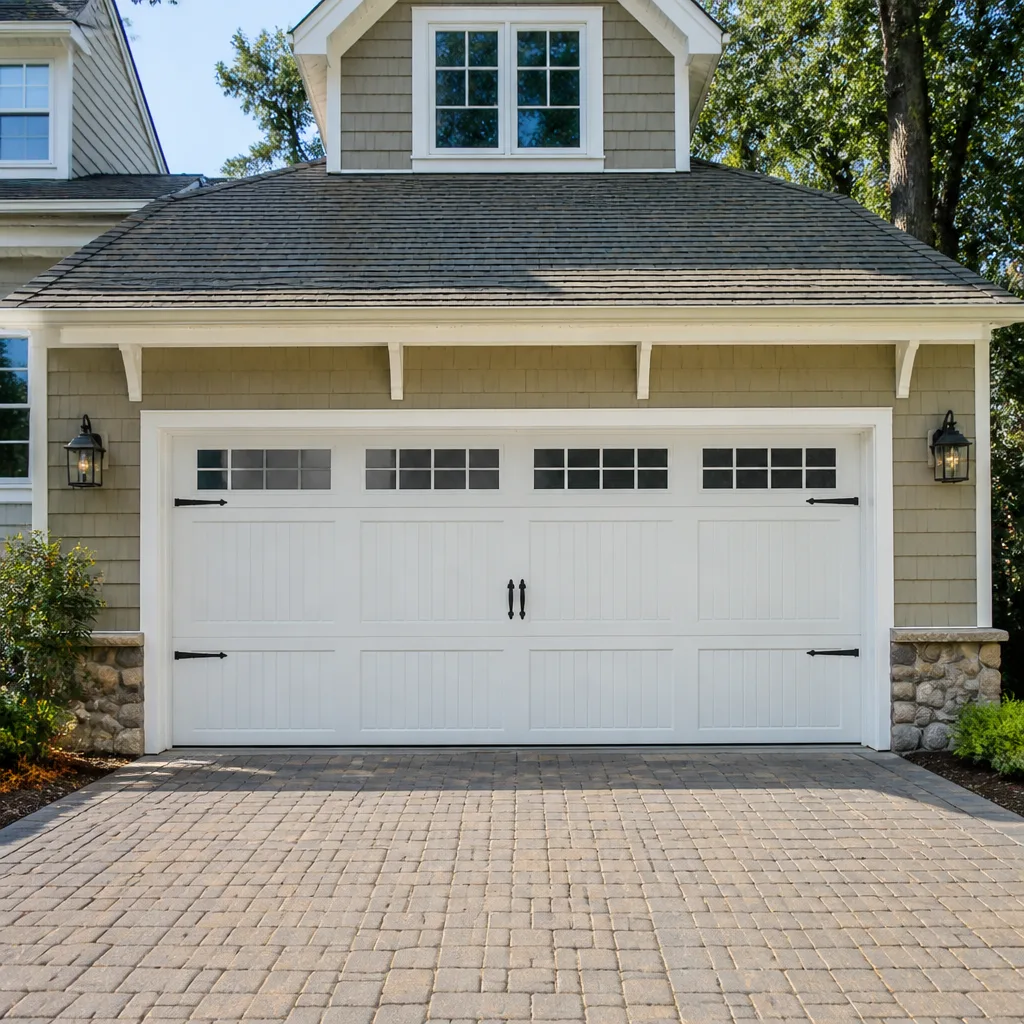 Carriage house
 Modern flush
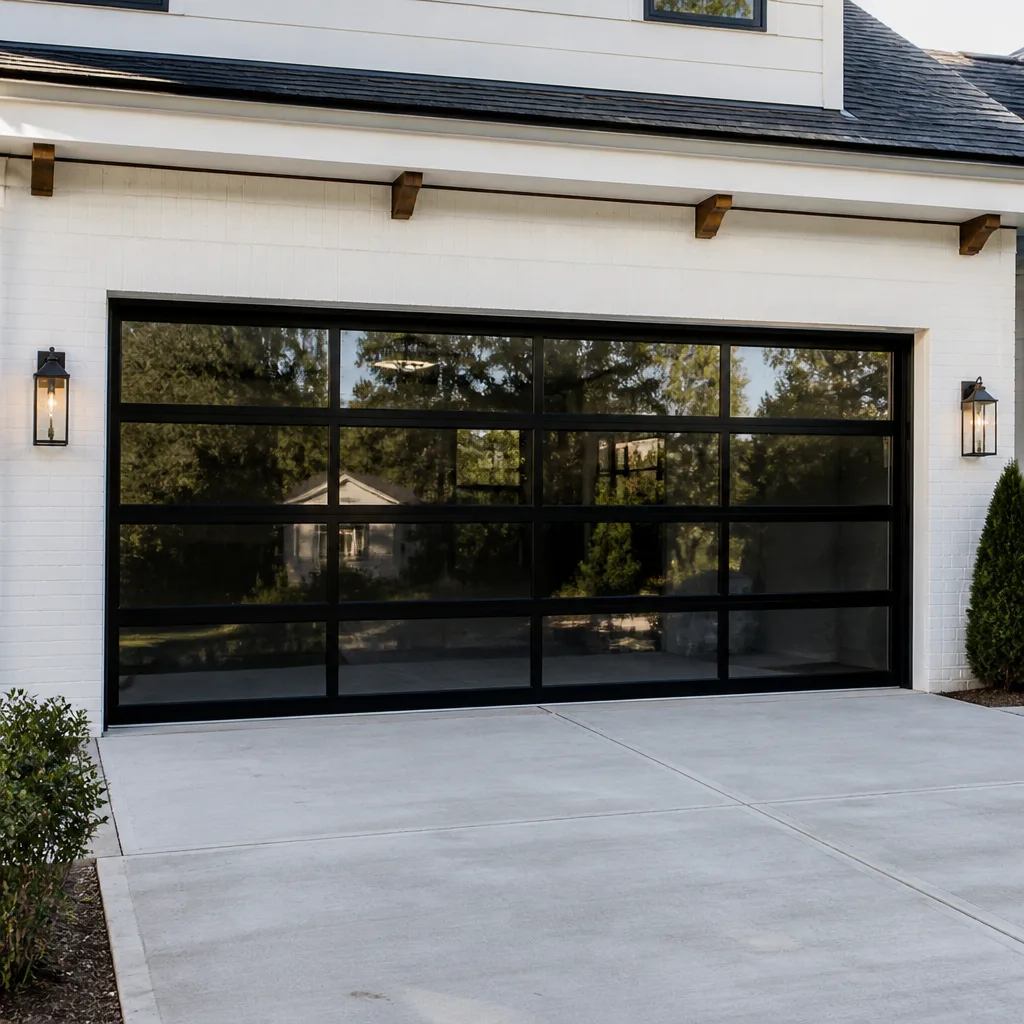 Full-view glass
 LiftMaster openers
 Chamberlain openers
Full 25-point door and opener safety check with every visit - springs, cables, rollers, tracks, and your LiftMaster or Chamberlain opener included
You get a price before we start. It does not change when the pro arrives.
Get your free estimateGarage Door Repair Maintenance Schedule: What to Do and When
The single most skipped maintenance task on a garage door takes four minutes and prevents the most expensive single repair a homeowner will ever face. It’s not the opener. It’s not the tracks. It’s lubricating the torsion spring, the coiled steel that holds the entire weight of your door and is the one part that, when it breaks, stops everything. Most homeowners never touch it. Most manufacturers’ checklists bury it under six other tasks. And in Rockford, where winters swing hard between wet and deep freeze, the cost of ignoring it is higher than it is in a milder climate. This guide gives you a maintenance calendar built around Rockford’s actual seasons, tells you which lubricant goes on which part, and shows you the quick tests that reveal a problem before it becomes an invoice.
Quick Answer
A garage door needs a light monthly touch and a deeper seasonal check: lubricate the spring, hinges, and rollers monthly, inspect the weather seal and all hardware before winter, recheck every fastener after the spring thaw, and test the opener’s safety reverse twice a year. A professional tune-up is worth it roughly once a year, or any time you notice a new noise, a jerky motion, or a door that won’t stay balanced. Everything else is a quick visual check you can do in five minutes.
Styles & brands we work with
- Raised-panel steel
- Carriage house
- Modern flush
- Full-view glass
- LiftMaster openers
- Chamberlain openers
Table of Contents
- The Rockford Maintenance Calendar: Month by Month
- Which Lubricant Goes on Which Part
- The 10-Second Balance Test
- How Long Each Part Actually Lasts
- Rockford Seasonal Stressors and How to Handle Them
- What a Professional Tune-Up Covers That You Can’t
- Common Mistakes to Avoid
- When to Call a Professional
- Frequently Asked Questions
The Rockford Maintenance Calendar: Month by Month
A garage door doesn’t wear out on a schedule. It wears out on a schedule shaped by weather, and Rockford’s weather is its own thing. We’ve seen how the same door lasts different lengths of time depending on whether it faces the afternoon sun on one side of town or the prevailing wind on the other. So instead of a generic “check everything twice a year” checklist, here’s a calendar built around what Rockford actually does to a door across twelve months.
Spring (March through May): the post-thaw check
Rockford winters leave the ground heaving and the temperature swinging from below freezing to the fifties and back. That freeze-thaw cycle works on your door hardware the same way it works on a driveway. By the time the snow is gone, fasteners that were snug in November have often loosened. This is the month to walk the whole door with a socket set and check every bolt on the hinges, the track brackets, and the opener’s mounting points. Spring is also when you’ll first notice weather seal that cracked over the winter. Run your hand along the bottom seal and look for splits or a hard, brittle feel.
Summer (June through August): the opener heat test
Warm months are easy on the door but hard on the opener. A garage that faces west and bakes in the afternoon sun gets hot enough inside that the opener’s motor and circuit board work harder. Listen for a motor that sounds strained or an opener that runs longer than it used to. Genie and LiftMaster units both tolerate heat reasonably well, but any opener that’s already ten years old will start to show stress in July and August. This is the season to test the safety reverse and the photo-eye sensors, since a sticky sensor is usually a warm-weather problem. Lubricate as usual.
Fall (September through November): pre-winter seal inspection
This is the one that matters most in Rockford. Before the first hard freeze, inspect the bottom weather seal, the side jambs, and the top seal if your door has one. A seal that’s already worn will let cold air and moisture in all winter, and moisture around the bottom of the door is what rusts the bottom section and rots the wood frame. Run a dollar bill between the closed door and the floor: if it slides out easily, the seal isn’t doing its job. Replace weather stripping now, not in January when the door is frozen to the floor.
Winter (December through February): watch, don’t work
Cold months are for monitoring, not repair. The metal contracts, the lubricant thickens, and everything sounds louder than it does in July. A door that runs a little stiff in January is normal. A door that stops halfway is not. Keep the bottom of the door clear of ice, avoid forcing an opener that’s struggling, and call for repair rather than fighting it in sub-freezing temperatures. If a spring fails in the cold, do not attempt anything yourself.
Which Lubricant Goes on Which Part
This is where homeowners do the most damage. Spraying the wrong product on the wrong part is worse than doing nothing, and the single most common mistake is reaching for WD-40. Standard WD-40 is a solvent-based water displacer, not a lubricant. On a torsion spring it strips the factory oil and leaves bare steel that rusts faster than it did before. We’ve seen springs fail sooner than they should because of this one habit.
Here’s what to use where:
- Torsion springs and extension springs: a white lithium grease or a dedicated garage door spring lubricant. A light coat on the coils, worked in by cycling the door once. Four minutes, once a month in dry months, less in humid ones.
- Hinges and pivot points: white lithium grease or a silicone spray. A drop or two on each hinge, not a flood.
- Rollers (metal): a few drops of light machine oil or silicone spray on the stem, not the wheel. Nylon rollers need no lubricant at all.
- Track: nothing. Tracks should stay dry and clean. Lubricant on a track attracts grit and turns into a paste that wears the rollers and stiffens the door.
- Weather seal: a silicone spray or a wipe-down with silicone, which keeps rubber from drying and cracking over a Rockford winter.
One bottle of white lithium grease and one can of silicone spray cover everything on a typical door. Both are cheap, and both last years. Skip anything aerosol-labeled “penetrating oil” on the spring. If your opener manufacturer specifies a lubricant for the rail or chain, follow that exactly – a Genie chain drive and a belt drive from another brand don’t want the same treatment.
The 10-Second Balance Test
Springs are the most expensive single repair on a garage door, and they give warning signs long before they snap. The balance test tells you whether your springs are still carrying the door’s weight properly. Do this with the opener disconnected.
- Disconnect the opener. Pull the red release cord so the door runs on its springs and tracks alone.
- Raise the door by hand to about halfway. Lift slowly and feel whether it’s heavy.
- Let go at the halfway point. A door with healthy springs stays exactly where you left it.
- Watch what happens. If it drifts down, the springs are losing tension. If it springs up, they’re too tight or misadjusted.
- Reconnect the opener. Push the door back down and re-engage the carriage.
Do this test once a season. A door that drifts a few inches is worth a professional look. A door that drops is telling you the spring is close to failing, and a failing torsion spring is a serious hazard – the coil stores enough energy to cause a severe injury if it lets go while someone is under it. That’s not a part to work on yourself. Never attempt to adjust, wind, or replace a torsion spring; call a trained technician instead. This is one area where the honest advice is to stop and pick up the phone.
How Long Each Part Actually Lasts
Knowing roughly when a part will wear out lets you budget for it instead of being surprised. Lifespans vary with cycle count – how many times a day the door goes up and down – and with how well the door has been maintained. Here’s a realistic range for a door used a few times daily in a Rockford home.
- Torsion springs: the shortest-lived part on the door. Standard springs are rated for a set number of cycles, and a busy household burns through them faster than a quiet one. Expect replacement at intervals, not “someday.”
- Rollers: steel rollers last years but get noisy; nylon rollers last longer and run quieter but cost a bit more. Replacing all of them at once is usually cheaper than one at a time.
- Cables: should outlast a set of springs, but any fraying, kinking, or rust is a stop-now signal. A cable under tension is dangerous to handle.
- Weather stripping: the most frequently replaced part. Rockford winters take a toll on the bottom seal; plan to inspect it every fall and replace it when it stops sealing.
- Opener: a well-maintained opener in a temperate garage lasts a long time, but heat and age catch up. When repairs start adding up, replacement often makes more sense than a third fix.
- Hinges and bearings: the longest-lived hardware, provided they’re lubricated and the door stays balanced.
If you’re weighing repair against replacement for the whole door, a Clopay or Amarr door with a sound structure is usually worth repairing rather than replacing. We look at the condition of the panels and the frame first, because most door problems don’t need a full replacement.
Rockford Seasonal Stressors and How to Handle Them
Rockford’s four distinct seasons each push on a different part of the door. A schedule built for a flat, mild climate misses all of this.
Deep freeze and expansion. When temperatures drop below zero, every metal part contracts and the lubricant on the springs thickens. The door sounds harsher and runs slightly slower. That’s normal, but it’s also when a tired spring is most likely to finally let go. Keep the spring lubricated before the freeze, and if a spring fails mid-winter, don’t operate the door – call for repair.
Freeze-thaw and heaving. Late winter and early spring is the loosening season. The ground moves, and the door’s mounting points feel it. The post-thaw fastener check isn’t optional in Rockford; it’s damage control.
Summer heat and west-facing garages. Garages that bake in the afternoon sun run their openers hotter. Belt drives handle it better than chain drives, but any opener will strain. Listen for the change.
Ice at the threshold. A door that’s frozen to the floor and forced by the opener damages the bottom section and the opener’s gear. Clear the threshold before you run the door in icy weather.
If you’re in Rockford and your door has been struggling through the seasons, a professional tune-up timed to the fall is the single best investment you can make. Our technicians have up to 8 years of experience with exactly these conditions, and we work on the brand you already have – whether that’s a Wayne Dalton door from a builder’s install or a Genie opener you’ve had for years.
What a Professional Tune-Up Covers That You Can’t
Most maintenance is genuinely DIY: lubricate, inspect, test, clear the threshold. But a handful of tasks require tools, training, and a working knowledge of the door’s geometry that a homeowner doesn’t have. Here’s what a real tune-up includes that your monthly routine won’t.
- Spring tension measurement. A technician can measure whether the springs are carrying the door’s weight evenly, not just whether the door balances. That’s the early warning a homeowner can’t see.
- Opener force and travel adjustment. The opener’s force limits and travel stops need calibration to the door. Out of adjustment, they’re a safety problem, not just an annoyance.
- Cable inspection under load. A trained eye spots fraying at the drum that’s easy to miss and dangerous to handle.
- Track alignment and roller replacement. A door that’s drifted out of square wears the rollers fast; correcting it requires knowing what “true” looks like.
- Full safety-reverse and photo-eye test. The door must reverse on contact and the sensors must trip a closing door. Both need testing the way the manufacturer specifies.
How often is a tune-up actually warranted? Once a year is right for most Rockford homes, ideally in the fall before the cold. For a door that gets heavy daily use, or one that’s older with original springs, a spring tune-up in spring is worth adding. If you’re hearing a new noise, feeling a jerky motion, or the balance test is drifting, don’t wait for the annual visit – that’s your cue to call now. Bramble Garage Door Repair handles garage door repair across the Rockford area, and diagnosis is where we’d rather start than a parts swap.
Common Mistakes to Avoid
- Using WD-40 on the springs. It strips the protective oil and accelerates rust. Use a proper spring or white lithium grease instead.
- Lubricating the tracks. Tracks should stay dry. Lubricant turns into a grit paste that wears the rollers and makes the door stiff, especially as Rockford grit and road salt find their way into the garage.
- Forcing a frozen or struggling door. If the door won’t move freely in a cold snap, clear the ice first. Forcing it damages the bottom section and strains the opener.
- Skipping the post-thaw fastener check. Rockford’s freeze-thaw heaves the ground and loosens door hardware. Ignoring it is how a small loose bolt becomes a bent track.
- Trying to adjust or replace a torsion spring yourself. This is the single most dangerous task on the door. It’s a trained-professional job, every time.
- Waiting for noise to become failure. A new squeak or a door that’s slow to start is an early warning. Fix it while it’s a lubricant problem, not a spring replacement.
- Ignoring the weather seal all winter. A worn bottom seal lets in moisture that rusts the door and rots the frame. Replacing it in the fall costs a fraction of the damage it prevents.
When to Call a Professional
Some situations call for a phone call, not a checklist. Call a professional if the door drops when you let go of it at the halfway point, if you hear a loud bang from the garage and the door won’t lift, if the door runs crooked or binds on one side, if a cable looks frayed or kinked, if the opener reverses on its own or won’t close all the way, or if the safety sensors won’t stay aligned. Any of these is a sign that the door needs a trained eye, and some of them are a sign to stop operating the door entirely until it’s checked. Bramble Garage Door Repair offers free estimates in Rockford – call (855) 758-5321. We answer 24/7, with fast dispatch from 7am to 7pm, and the price is quoted and agreed before any work starts. We treat the door and the opener as one integrated system, because that’s how they actually fail together.
Frequently Asked Questions
Once a year for a professional tune-up, with monthly lubrication and seasonal inspections you can do yourself. In Rockford, the fall is the best time to schedule that annual visit, since it comes before the cold and the freeze-thaw cycle that stress the most parts. If the door gets heavy daily use, add a spring check in the spring.
Yes – or as close to it as you remember, and certainly before the first freeze and again in spring. It’s four minutes with a proper spring lubricant, and it’s the cheapest insurance against the most expensive repair on the door. Lubricating it monthly in dry months and less often in humid ones is a good rhythm.
Not on the springs. Standard WD-40 is a water displacer, not a lubricant, and it strips the spring’s oil and speeds corrosion. Use white lithium grease or a dedicated spring lubricant instead. Silicone spray is fine on hinges and weather seals.
It’s a quick check of whether your springs still carry the door’s weight. Disconnect the opener, lift the door to halfway by hand, and let go. A healthy door stays put. One that drifts down has springs losing tension; one that springs up is too tight. Do it once a season, and call a professional if it drifts more than a few inches.
Springs are the shortest-lived part on the door and are rated by cycle count, not years – a busy household uses them up faster than a quiet one. Cold snaps are when tired springs fail, which is why keeping them lubricated before winter matters more here than in a milder climate. When a spring snaps, don’t operate the door until it’s repaired.
No. Monthly care is lubrication and a quick visual check you can do yourself. A professional tune-up once a year – or any time you notice a new noise, a crooked motion, or a door that won’t balance – is the right rhythm. More than that is usually unnecessary unless the door is older or in hard daily use.
Every fastener on the hinges, track brackets, and opener mounting points, plus the bottom weather seal and the balance test. The freeze-thaw cycle loosens hardware and dries out the seal, so the post-thaw weeks are when small issues show up. Catch them in spring and you avoid a bigger repair in summer.
Most likely, yes. We work on eight of the most widely-owned residential brands – including LiftMaster, Chamberlain, Genie, Clopay, Amarr, Wayne Dalton, Craftsman, and Raynor – so there’s a good chance your door and opener are ones we know well. Call (855) 758-5321 and tell us the brand; we’ll confirm and give you a straight answer.
The Bottom Line
Garage door care isn’t a long monthly chore. It’s a light touch every month, a seasonal check tied to Rockford’s weather, and one professional tune-up a year – timed to the fall, when the cold is coming. Lubricate the spring with the right product, do the ten-second balance test, inspect the seal before winter, and recheck every fastener after the thaw. Know roughly when each part will wear out so you can budget for it, and don’t be afraid to call when a warning sign shows up. Fast diagnosis, straight answer, right fix. That’s how a Rockford door stays off the emergency list. And if something’s already wrong, Bramble Garage Door Repair offers free estimates in Rockford – call (855) 758-5321. We answer 24/7. Fast dispatch from 7am to 7pm, Sunday through Friday. The price is quoted and agreed before any work starts, and our technicians have up to 8 years of experience working on the brand you already have.
Written by the team at Bramble Garage Door Repair.
See the difference
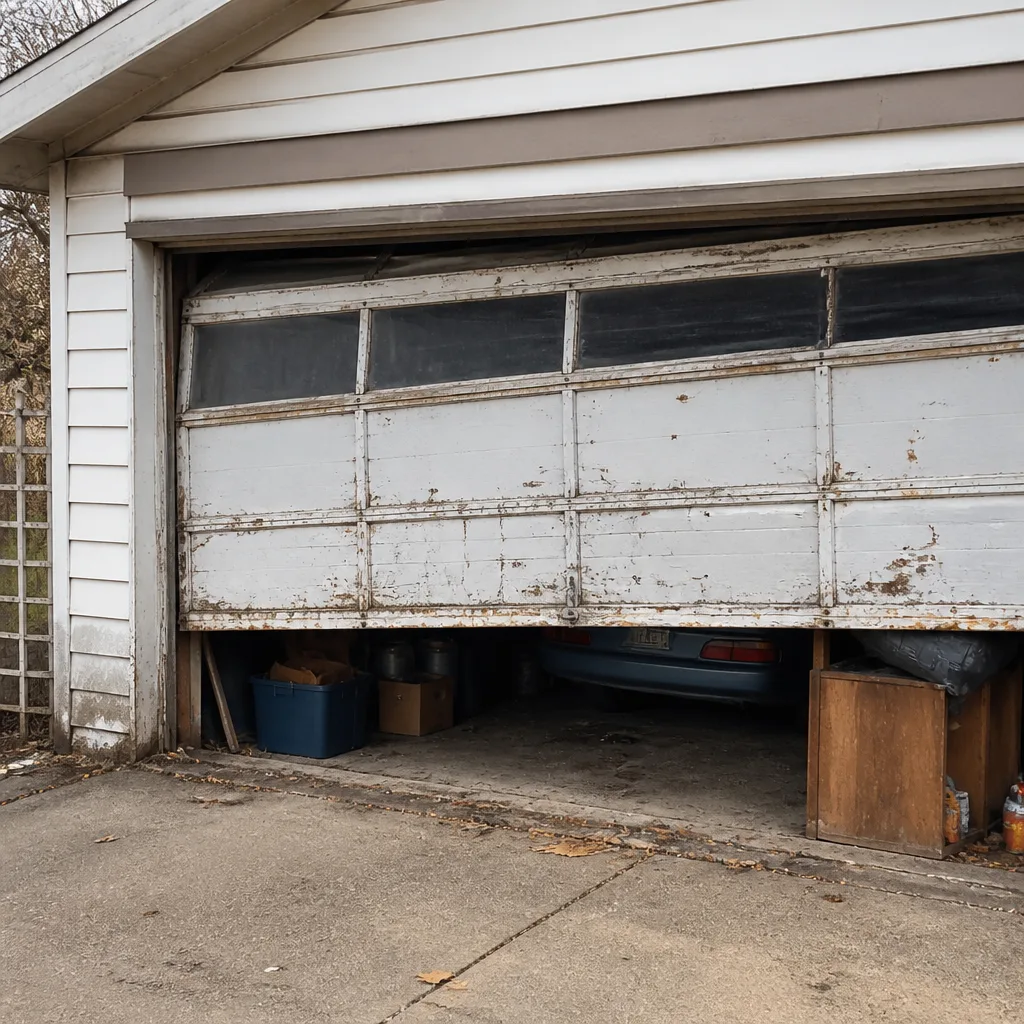 Before
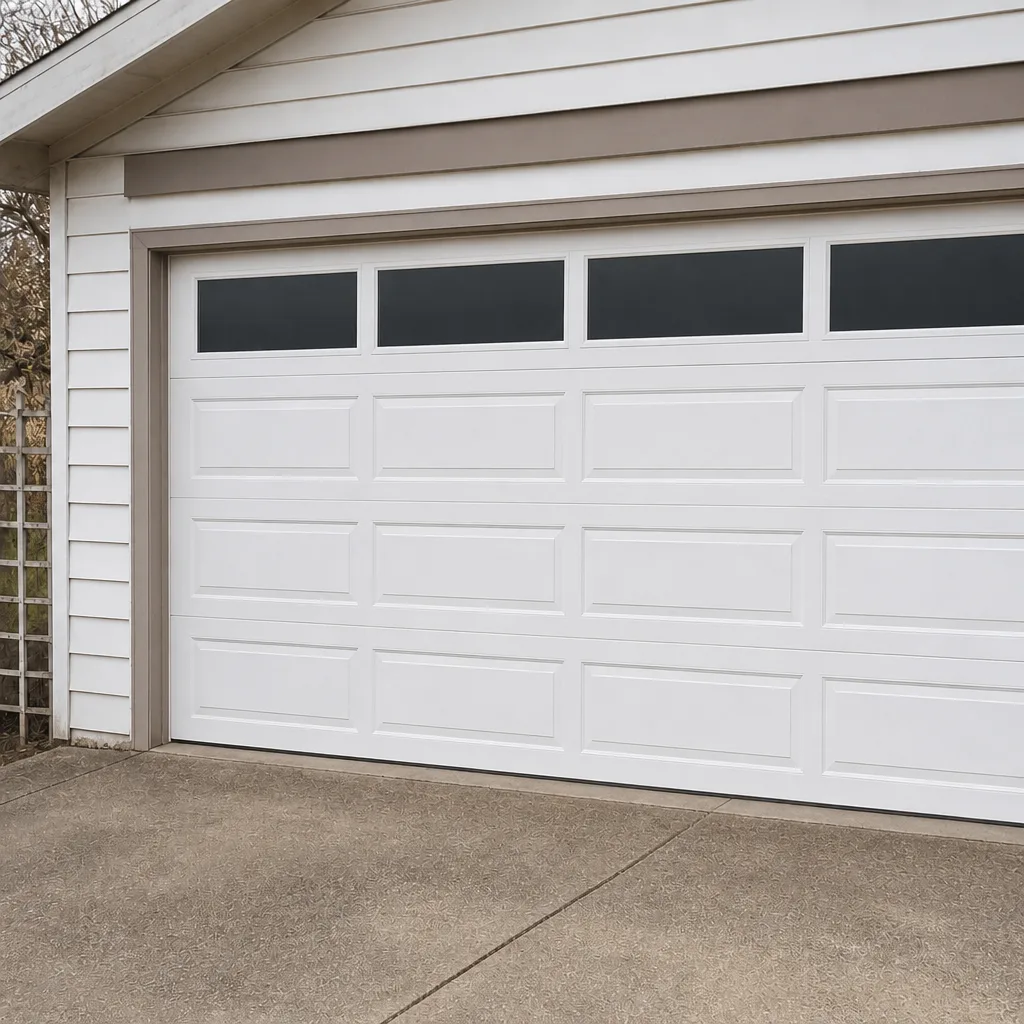 After
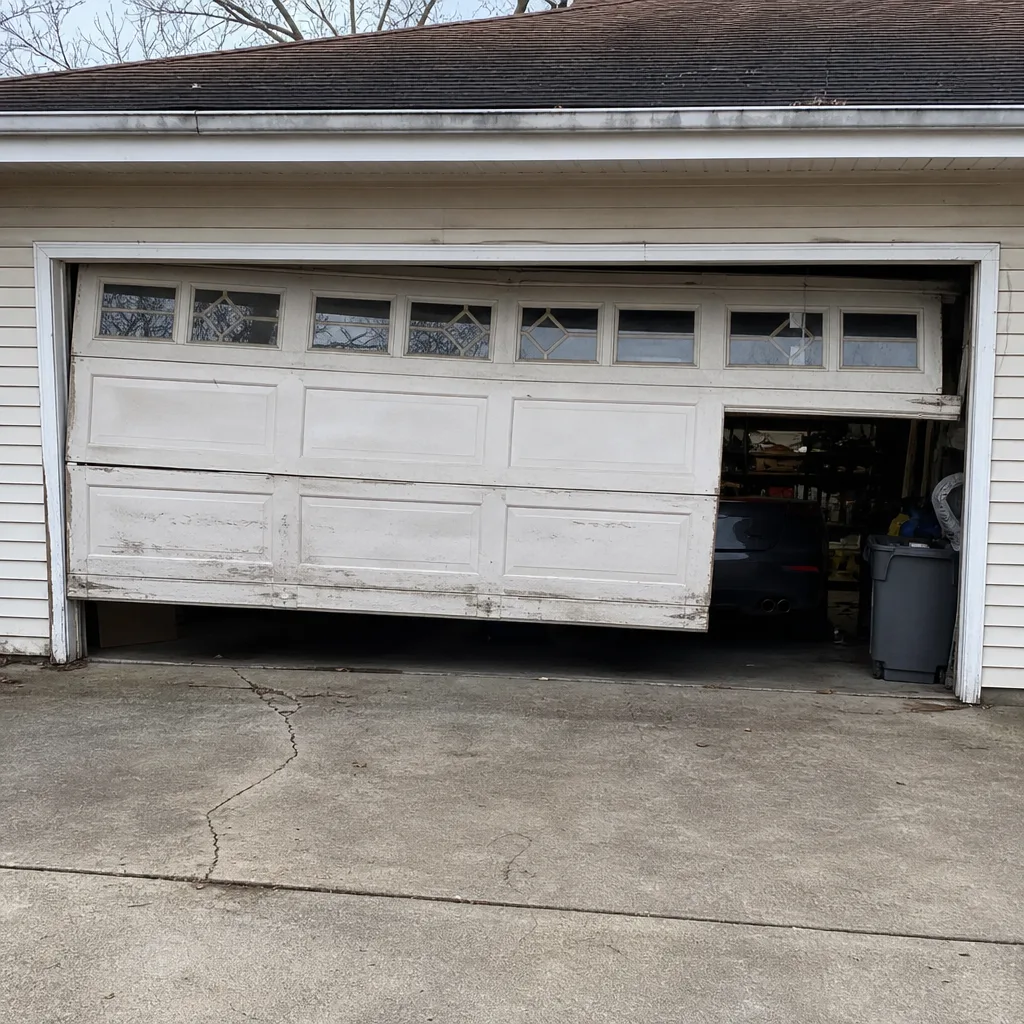 Before
 After
 Before
 After