
Last updated November 16, 2026
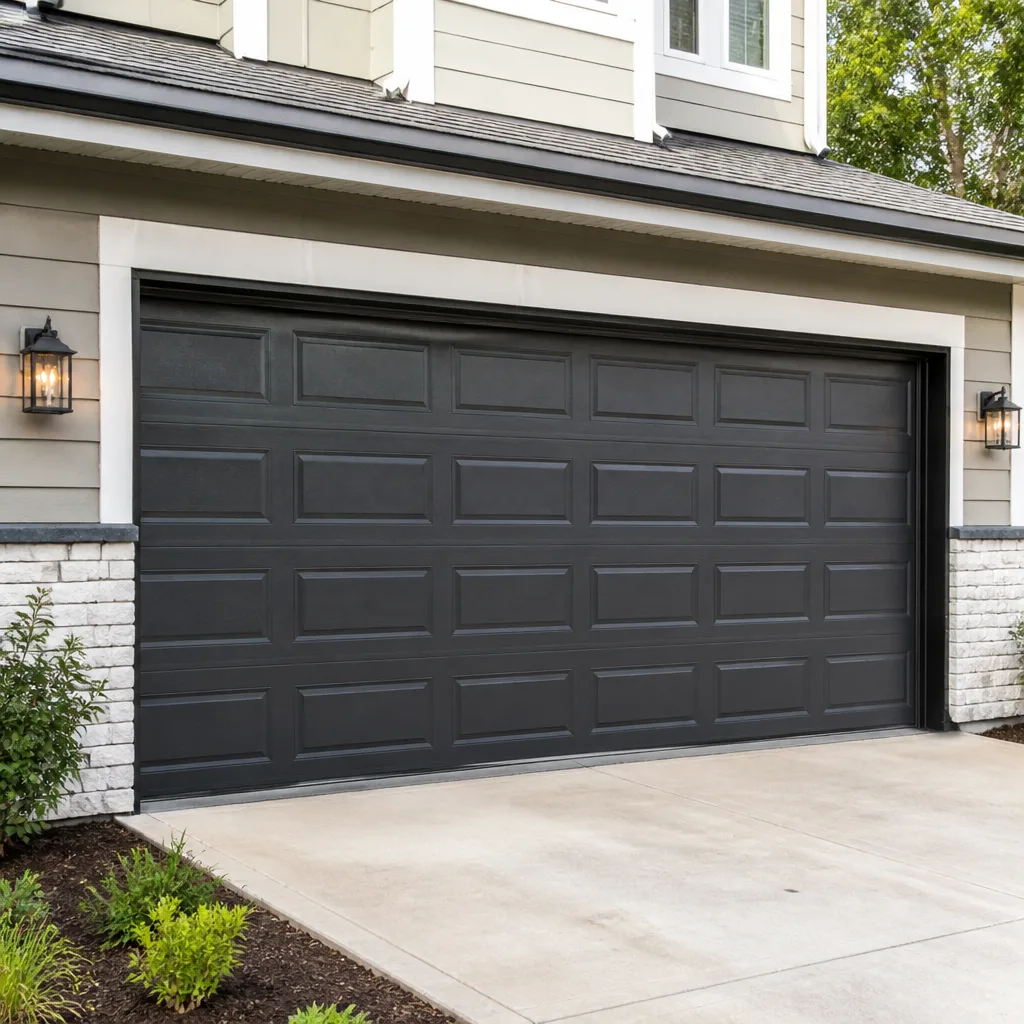 Raised-panel steel
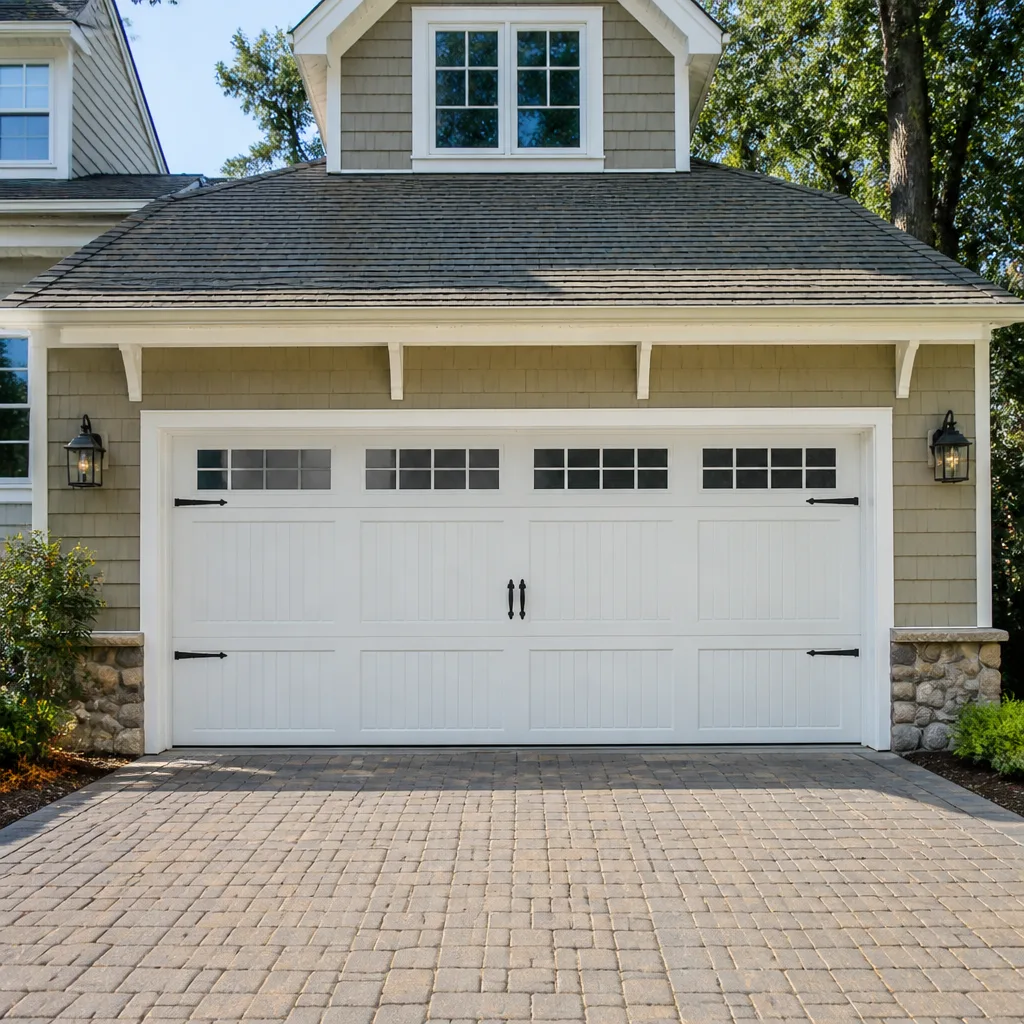 Carriage house
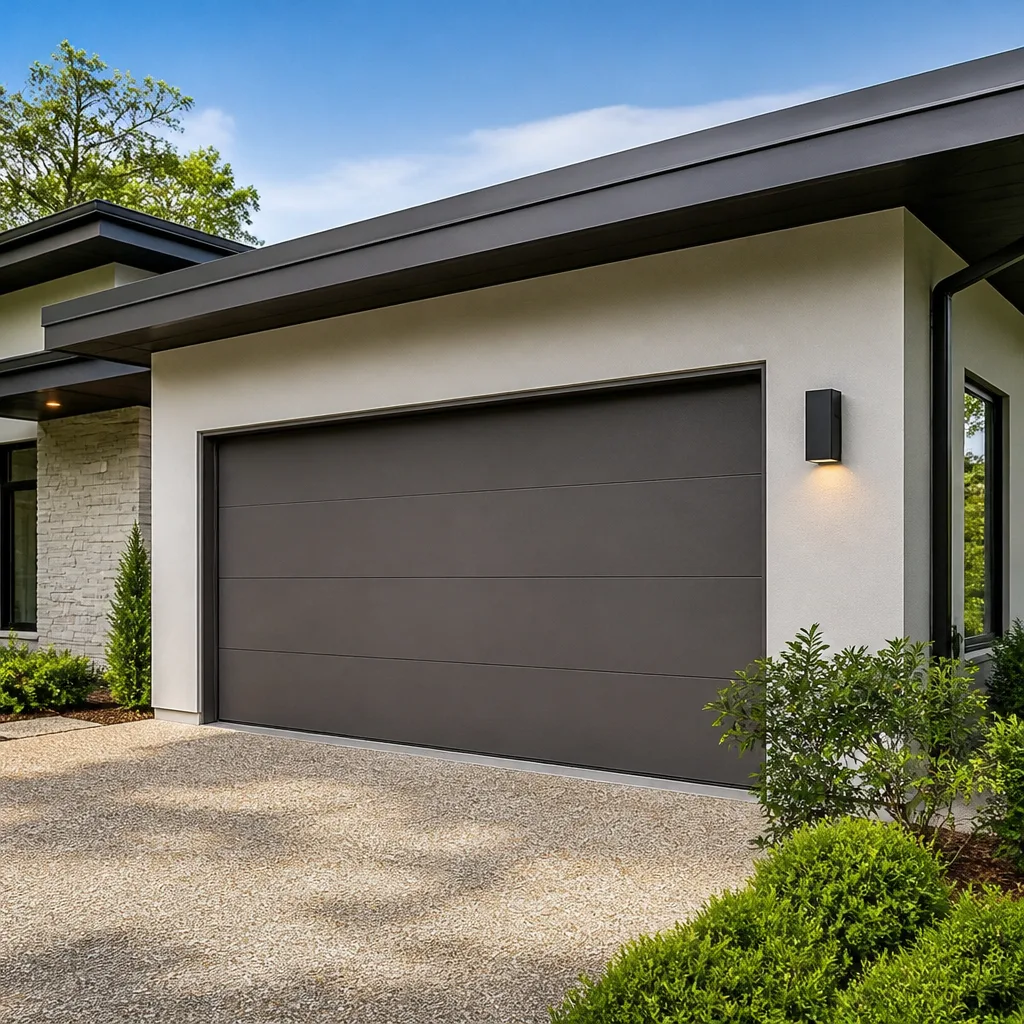 Modern flush
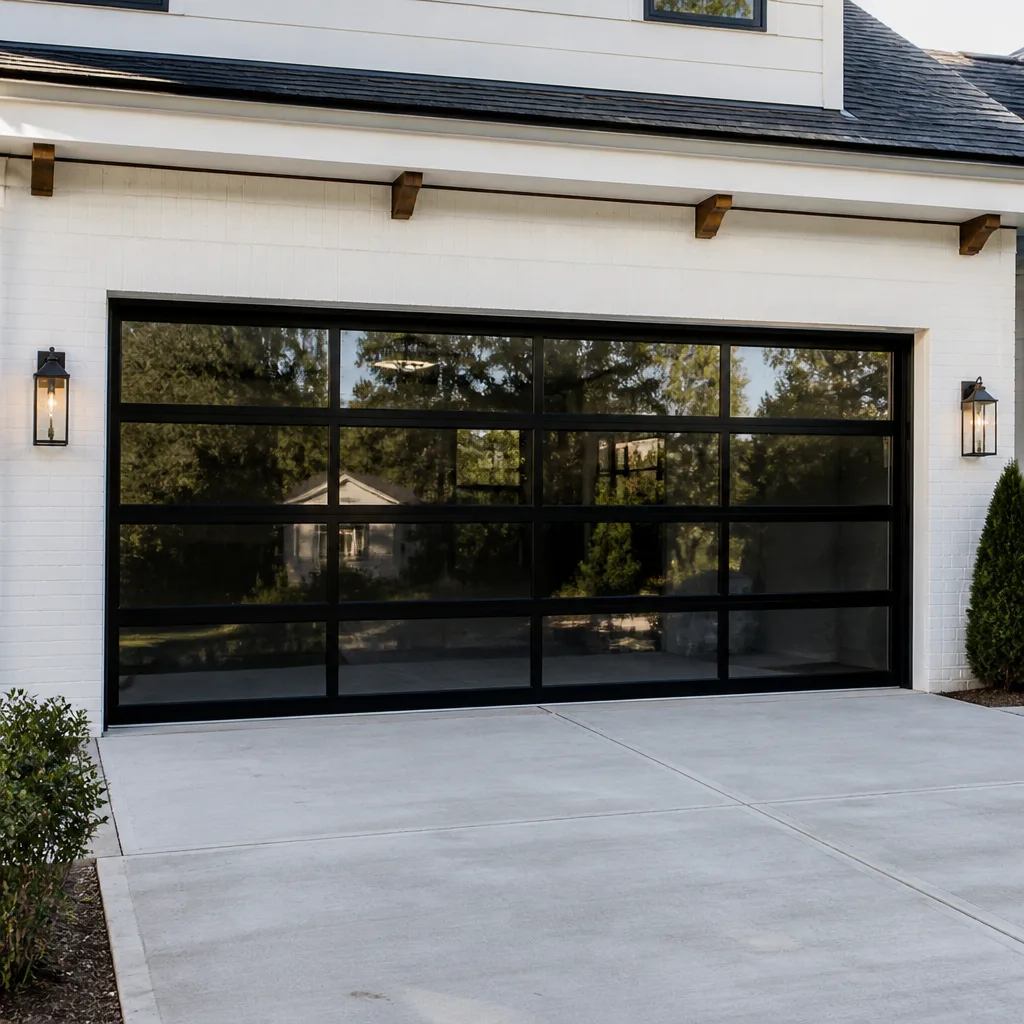 Full-view glass
 LiftMaster openers
 Chamberlain openers
Full 25-point door and opener safety check with every visit - springs, cables, rollers, tracks, and your LiftMaster or Chamberlain opener included
You get a price before we start. It does not change when the pro arrives.
Get your free estimateChoosing the Right Garage Door Brand: A Buyer’s Guide for Rockford
Most “best garage door brand” lists on the internet are built from warranty length and curb appeal ratings. Neither tells you how a door’s steel will look after ten Rockford winters of freeze-thaw cycles, road salt spray, and summer humidity swings. A door that performs beautifully in Arizona can develop panel fatigue and finish problems in northern Illinois, and a brand with no local parts network turns a simple spring or hinge replacement into a week-long wait. This guide is written to help Rockford homeowners choose a brand based on functional specs and local parts availability, not national marketing rankings. You’ll learn how to read gauge and R-value honestly, spot builder-grade vs. mid-tier doors sold under the same name, match openers to door brands, and ask the right questions of a specialist.
Quick Answer
The best garage door brand for Rockford is the one that combines a 24- or 25-gauge steel skin, insulation rated for a cold-climate market, and confirmed parts availability in northern Illinois. Clopay, Amarr, and Wayne Dalton are reliable choices for most Rockford homes, with Craftsman and Raynor filling specific niches. Brand matters less than whether the door is correctly spec’d for your opening, insulated for your climate, and matched to an opener that respects its weight and warranty.
Styles & brands we work with
- Raised-panel steel
- Carriage house
- Modern flush
- Full-view glass
- LiftMaster openers
- Chamberlain openers
Table of Contents
- Why National Brand Rankings Don’t Work for Rockford
- Steel Gauge and R-Value: Reading the Specs That Matter
- Local Parts Availability and Why It Matters
- Builder-Grade vs. Mid-Tier Doors Under the Same Brand
- Matching Opener Brand to Door Brand
- The Brands We Work On and What Each Is Good For
- Questions to Ask a Specialist Before You Buy
Why National Brand Rankings Don’t Work for Rockford
National reviews rank brands by warranty length and finish options, which are useful but incomplete. The two specs that decide whether a door holds up in Rockford are steel gauge and insulation R-value, and neither of those appears in a typical “top 10” list. Rockford sits in a climate band that runs roughly 120 freeze-thaw cycles a year, with summer humidity that pushes above 70 percent for weeks at a time. That combination punishes thin steel, dries out cheap weatherstripping, and exposes weak hardware faster than a mild climate will.
Parts availability is the second problem with national rankings. A brand can score well nationally and still have no dedicated local dealer in the Rockford area, which means a broken hinge, roller, or spring anchor plate becomes a shipping wait. When your door is your daily exit and entry point, a five-day parts delay is not an abstract inconvenience. It changes how you leave the house.
There’s also a matter of how a door is used here. Rockford homeowners tend to cycle their doors more often in winter because they park inside and pull in and out of a cold driveway. That extra cycling accelerates wear on torsion springs, opener gears, and safety sensors, and it rewards brands that build their hardware to a higher cycle rating. A brand rating that assumes 1,000 annual cycles can understate the wear on a Rockford door.
The right question isn’t “which brand ranks highest nationally” – it’s “which brand fits a Rockford opening, holds up to Rockford winters, and has parts I can get locally.” That’s the frame this guide uses throughout.
Steel Gauge and R-Value: Reading the Specs That Matter
Steel gauge is the single most useful number on a garage door spec sheet, and it’s the one most buyers skip. Gauge is the thickness of the steel skin, and lower numbers mean thicker steel. A 24-gauge door is more dent-resistant and holds its finish better than a 25-gauge door, and it resists panel wave and oil-canning better in a cold climate. A 25-gauge door is a reasonable budget option for a low-use door, but on a busy Rockford driveway it shows wear sooner.
Insulation R-value is the second spec that actually matters here, and it’s the one most subject to marketing distortion. A few things to understand before you compare R-values across brands:
- Polyurethane beats polystyrene. Polyurethane foam gives a higher R-value per inch and holds it over time. Polystyrene (beadboard) is cheaper and loses performance faster in a cold climate.
- R-value is not linear. Doubling R-value does not double energy savings. Once a door passes R-12 or so, added insulation mostly improves comfort and sound, not energy bills.
- Sealing beats spec sheets. A well-sealed R-12 door outperforms a poorly sealed R-18 door every winter. Weatherstripping and a bottom seal matter as much as the foam.
- R-value is a lab number. Real-world performance depends on installation, seal integrity, and how the door mates to the frame.
For most Rockford homes with a heated or semi-heated attached garage, an R-12 to R-16 polyurethane door is the sensible target. Detached or unheated garages rarely justify more than an R-9 door. If you use the garage as a workshop, push toward R-16. The brand is secondary to those numbers.
One more spec to check: panel thickness. A thicker panel handles winter wind loads better and resists the bowing that develops on cheaper doors after a few seasons. It’s a number most brands publish, and it’s worth comparing side by side.
Local Parts Availability and Why It Matters
A garage door is a long-term purchase, and the brand you choose determines how easily it can be repaired five or ten years from now. Rockford’s local supply chain favors Clopay, Amarr, Wayne Dalton, and CHI because those brands have established dealer and distributor relationships across northern Illinois. That matters in a concrete way when you’re doing garage door repair: the technician can often source a spring, hinge, roller, or panel without special-ordering it from out of state.
Here’s how parts availability plays out across the brands we work on:
- Clopay – Broad local availability. Panels, hardware, and springs are commonly stocked or quickly sourced in the Rockford area. Strong mid-tier and premium lineup.
- Amarr – Good local dealer network. Solid insulated doors and reliable hardware. Panels are easy to find for current models.
- Wayne Dalton – Widely installed in Rockford-area subdivisions. Springs and hardware are easy to source; some older panel styles take more digging.
- CHI – Available through local dealers, strong steel construction, good for buyers who want a heavy-gauge door.
- Raynor – Common on older Rockford homes. Parts are generally available, though some legacy panel styles need a match from current stock.
- Craftsman – Mostly found on older doors. Panels can be harder to find, but opener parts are still widely available.
When a door is 15 or 20 years old, parts availability decides whether a repair is worth doing. A brand with local sources can often be repaired for months longer than a brand that requires a special order. Ask the technician which brand the door is and how quickly they can get parts before you commit to a repair.
Builder-Grade vs. Mid-Tier Doors Under the Same Brand
This is the most overlooked fact in garage door shopping: the same brand name appears on dramatically different door qualities depending on where the door is sold. A builder-grade Clopay or Amarr door installed in a new subdivision is not the same product as the mid-tier Clopay or Amarr sold through a specialist. Both carry the brand name. Only one carries the gauge, insulation, and hardware you’d choose for a 15-year door.
The differences usually show up in five places:
- Steel gauge. Builder-grade is often 25-gauge. Mid-tier is usually 24-gauge or thicker.
- Insulation. Builder-grade is often uninsulated or polystyrene. Mid-tier is polyurethane, typically R-9 to R-16.
- Hardware. Builder-grade uses lighter hinges, rollers, and spring assemblies. Mid-tier upgrades these.
- Weatherstripping and seals. Builder-grade usually ships with basic seals. Mid-tier ships with better bottom and perimeter seals.
- Warranty. Builder-grade warranties are usually shorter and exclude more. Mid-tier warranties cover the door longer, though terms vary by model.
When you shop a door in Rockford, ask which tier you’re being quoted on and get the model number in writing. A brand that lists a mid-tier model as “their best value” online may still quote you a builder-grade door if you don’t specify. The written estimate should name the exact model, gauge, and R-value, and the price on that estimate is the price you pay.
This is one of the places where a specialist helps. Anyone can quote a brand name; quoting the actual model with its gauge and insulation is what makes the comparison real.
Matching Opener Brand to Door Brand
Your opener and your door work as one system, and pairing them badly shortens the life of both. The most common mistake is installing a heavier, better-insulated door without upgrading the opener that has to lift it. A builder-grade opener rated for a 7-foot door can struggle with a heavier door, and the strain shows up later in the form of opener failure and premature spring wear.
Compatibility matters in three areas:
- Lift capacity. Match the opener’s rated lift to the door’s weight. A heavier, better-insulated door often needs a stronger or belt-drive opener.
- Smart features and software. Brands like LiftMaster, Chamberlain, and Genie have their own app ecosystems. A mixed setup usually works, but it can run through two apps and one bridge device. If smart home integration matters to you, pair the opener brand with the door brand where possible.
- Warranty coverage. Each brand sets its own terms. When in doubt, have the specialist confirm the opener and door are rated to work together before installation. Don’t assume – the terms differ by model.
On older Rockford homes, you’ll often find a door that has been replaced without a matching opener upgrade. That’s a routine diagnosis in our garage door opener repair work: the door is fine, the opener is working within its rated limit, and the fix is either a repair or a matched replacement. The right answer depends on the door weight, the opener’s rated lift, and its age. A specialist can usually tell you in one visit.
If you’re installing a new door, decide on the opener at the same time. That one decision saves a second service call later.
The Brands We Work On and What Each Is Good For
We work on eight of the most common residential garage door and opener brands in Rockford: LiftMaster, Chamberlain, Genie, Clopay, Amarr, Wayne Dalton, Craftsman, and Raynor. That coverage means most Rockford homeowners already own a brand we know well, and none of our recommendations are driven by a preferred line we’re pushing. We service competitor brands without pressure to replace, and we recommend repair over replacement when the repair is the smarter call.
Here’s a focused look at where the strongest brands fit:
- Clopay – One of the most widely installed door brands in Rockford. Wide model range from builder-grade to premium insulated. Strong local parts availability makes future repairs easier.
- Amarr – Solid insulated doors for the climate. Reliable hardware and a good local dealer network.
- Wayne Dalton – Very common in Rockford-area subdivisions. Panels are usually easy to source; some legacy styles take a bit more searching.
- CHI – A heavyweight option for buyers who want a heavy-gauge door with a long service life.
- Raynor – Common on older Rockford doors. Parts are generally available, and the doors themselves have held up well.
- LiftMaster and Chamberlain – Two of the strongest opener brands in the residential market. Good smart features and reliable drive systems.
- Genie – Solid opener choice, especially where a quieter belt drive matters.
- Craftsman – Common on older doors. Opener parts are widely available; panel matches can be harder.
Which brand is best depends on your door type, opening size, and how often you use it. Ask a Bramble Garage Door Repair technician to diagnose your system before you buy: we look at the existing door, opener, and hardware together and recommend based on the whole setup, not a sales quota. That’s the difference between a brand recommendation and a brand pitch.
Questions to Ask a Specialist Before You Buy
Most garage door brand decisions are made with a showroom salesperson, and showroom conversations tend to focus on finish and style. A specialist conversation goes deeper. Here are the questions to ask a garage door specialist – not a showroom rep – before you commit to a brand:
- “What gauge is this door?” Aim for 24-gauge or thicker. If the answer is vague, ask for the model number and look it up.
- “What’s the R-value, and is it polyurethane or polystyrene?” Polyurethane holds up better in a northern Illinois winter.
- “Is this the same tier sold at big-box retail?” Ask directly whether you’re being quoted builder-grade or mid-tier.
- “What opener brand is matched to this door?” Confirm the opener’s rated lift fits the door’s weight.
- “Can you get parts for this brand locally?” Ask for a rough timeline on a spring, hinge, or panel replacement.
- “How does this fit my opening size and headroom?” A specialist measures, not eyeballs. Low headroom changes the door type you need.
- “How often do I use this door?” High cycle counts (2,000+ per year) reward higher-cycle-rated hardware.
- “What does the written estimate include?” Confirm the door, hardware, opener, removal of the old door, and any seal work.
Ask the last question for every brand you’re considering, and ask it in writing. The written estimate sets the final price, and the brand recommendation should match what’s actually on it. If a quote hides the model or the gauge, ask again.
Common Mistakes to Avoid
- Choosing by warranty length alone. Warranty is a useful signal, but it doesn’t tell you how a door holds up to Rockford’s freeze-thaw cycles. Read the gauge and insulation specs.
- Buying a builder-grade door at mid-tier pricing. The brand name on a door doesn’t tell you what the door is made of. Ask for the model number and the gauge before you sign.
- Upgrading the door but not the opener. A heavier insulated door on a light-duty opener accelerates both. Decide on the opener at the same time as the door.
- Ignoring parts availability. In Rockford, a brand without local sources can turn a simple repair into a week-long wait. Check the parts network before you buy.
- Skipping the R-value conversation. A well-sealed R-12 door often beats a poorly sealed R-18 door. Where the door meets the frame matters as much as the foam.
- Trusting a showroom quote without a measurement. Headroom, ceiling clearance, and opening size determine the door type you can actually install. A specialist measures before quoting.
- Replacing a repairable door. Most door problems don’t need a full replacement. A broken spring, a worn hinge, or a failing opener is often a repair, and a specialist will tell you which is which.
See the difference
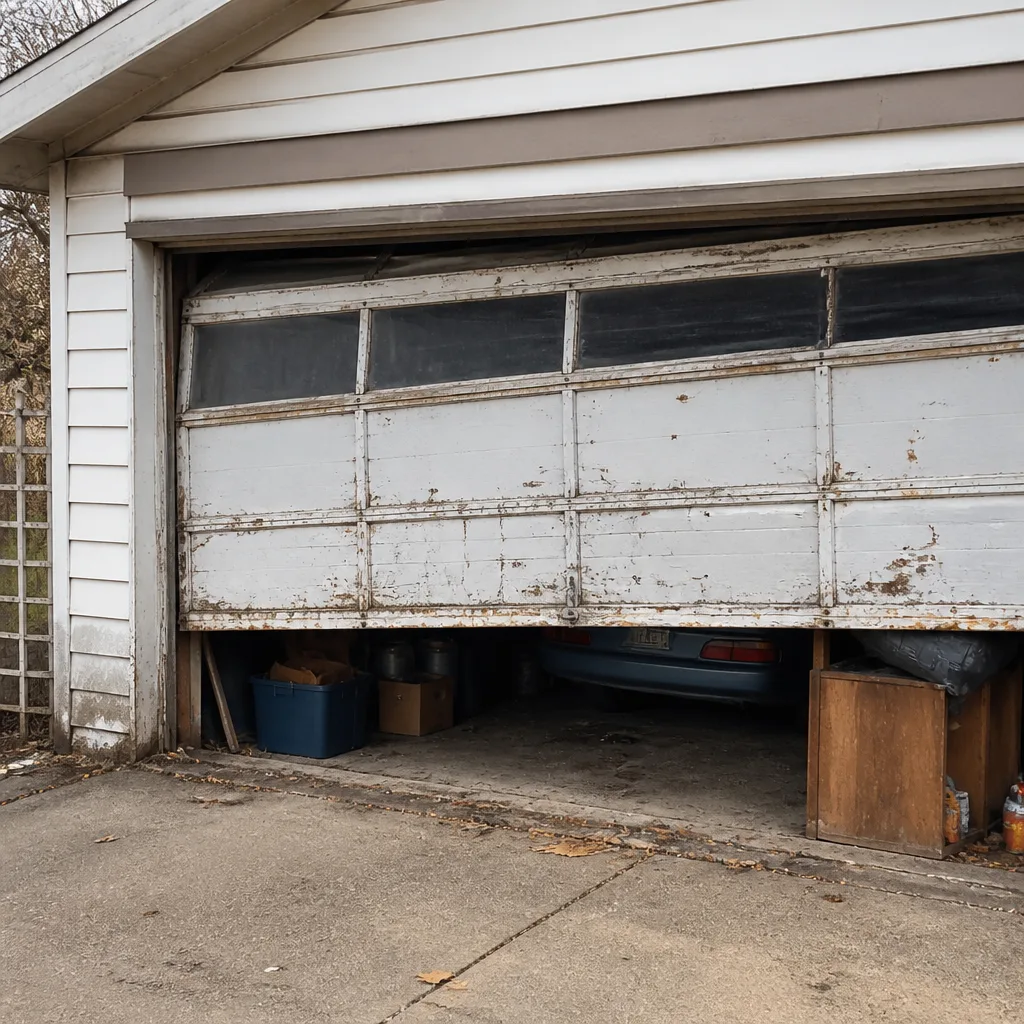 Before
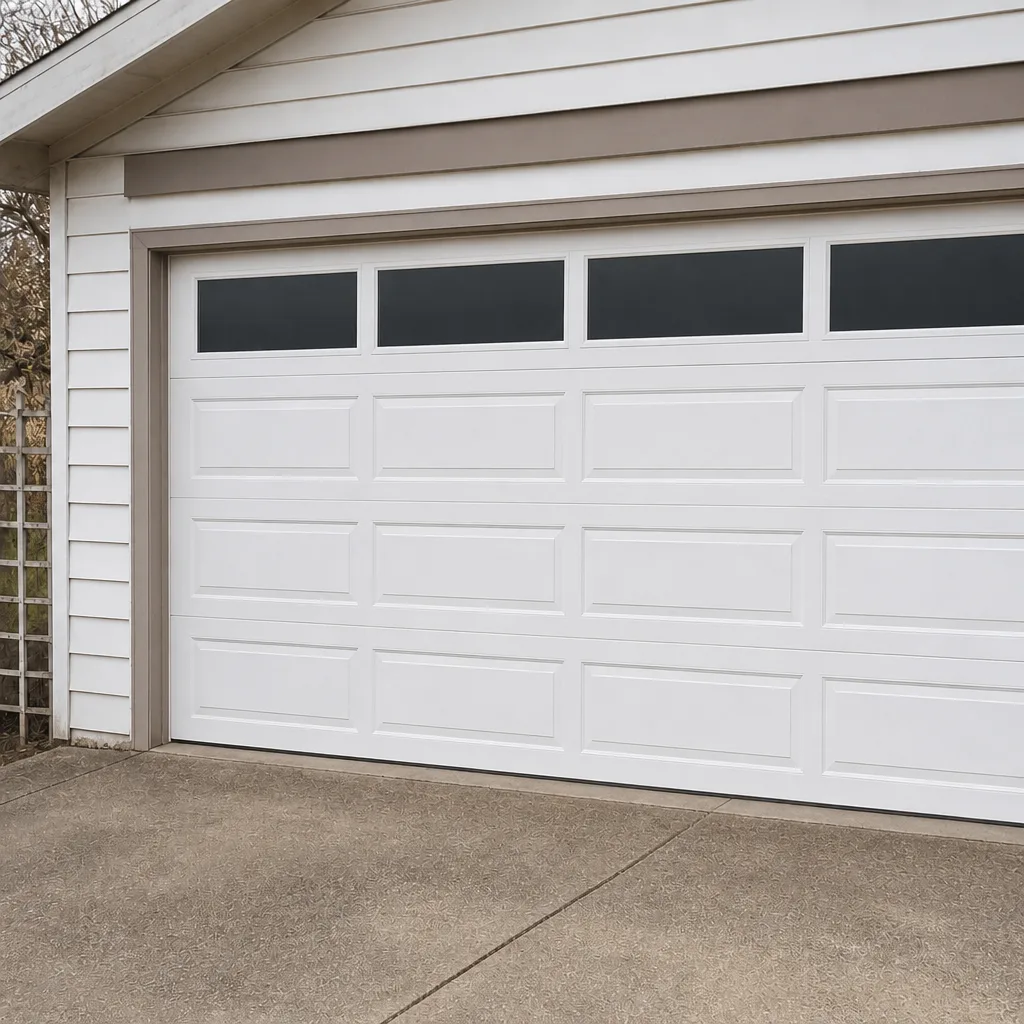 After
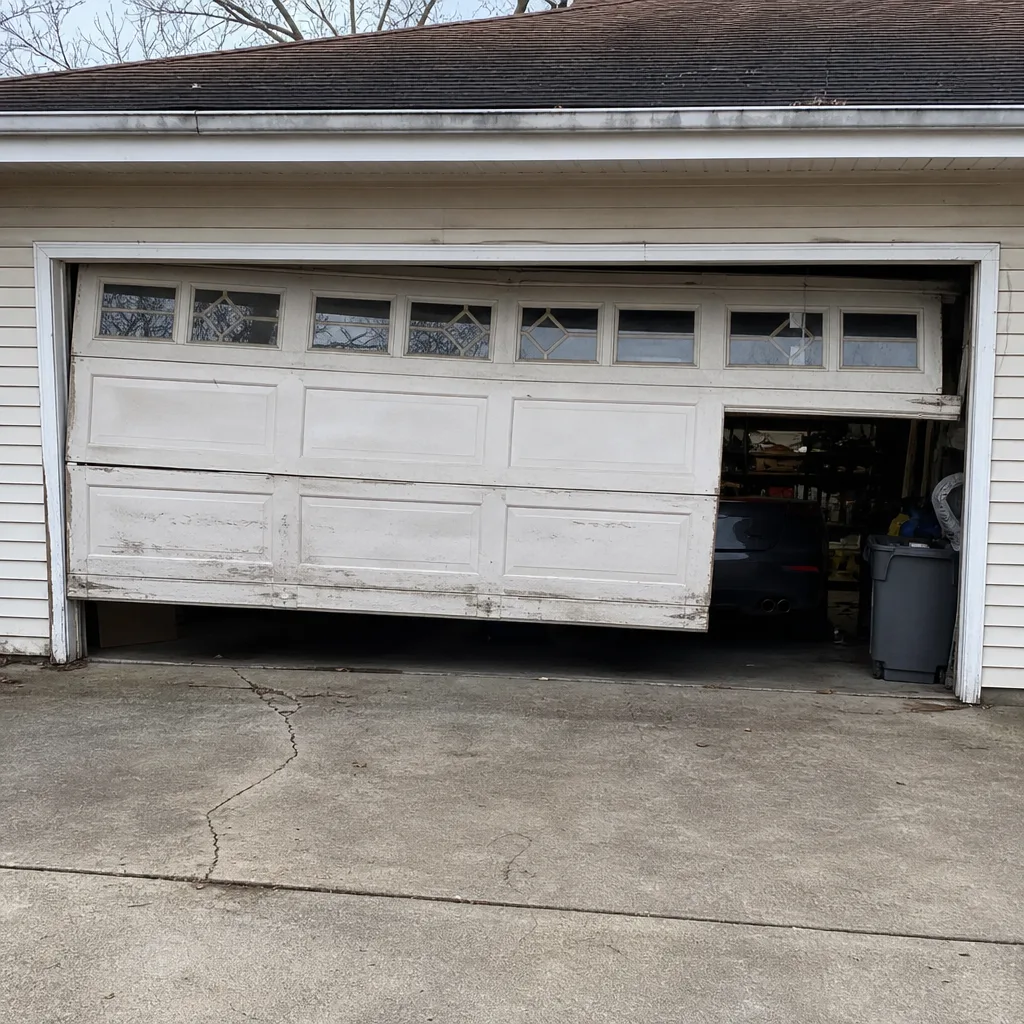 Before
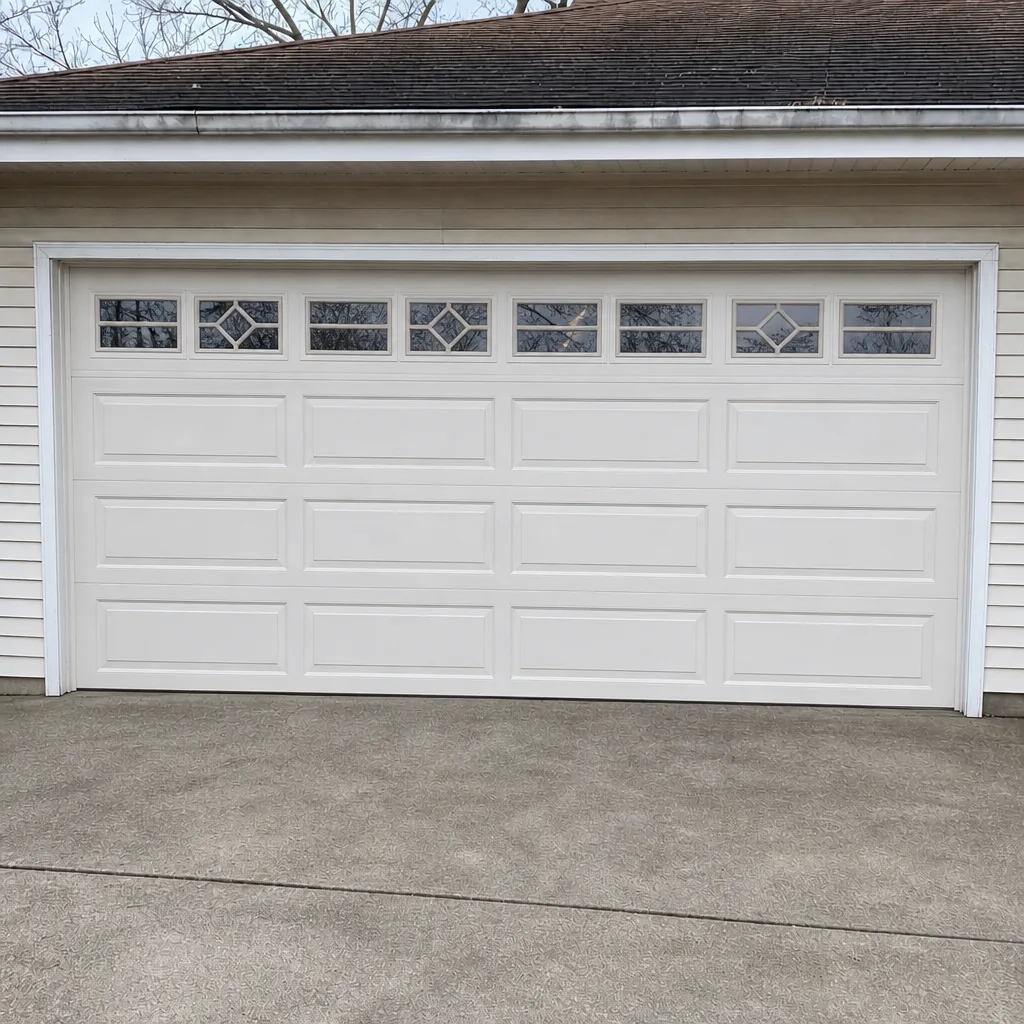 After
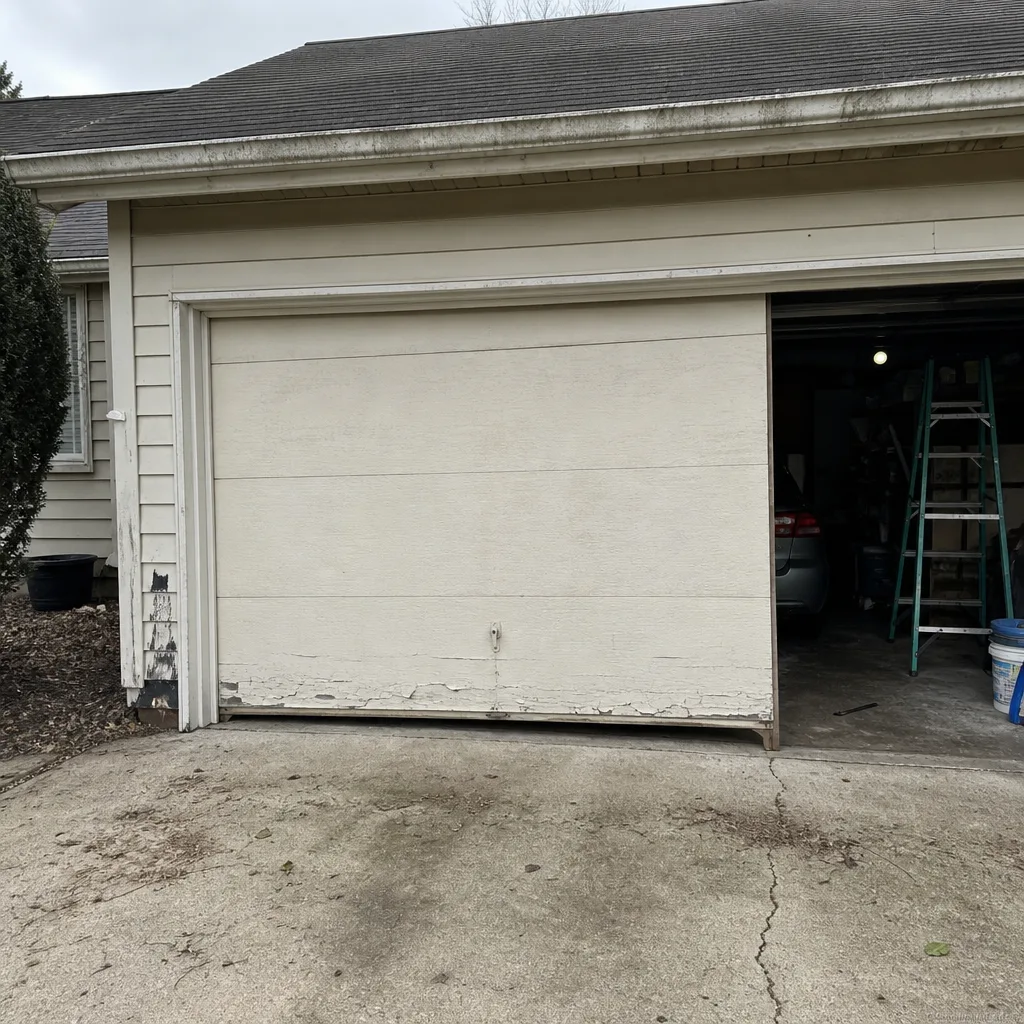 Before
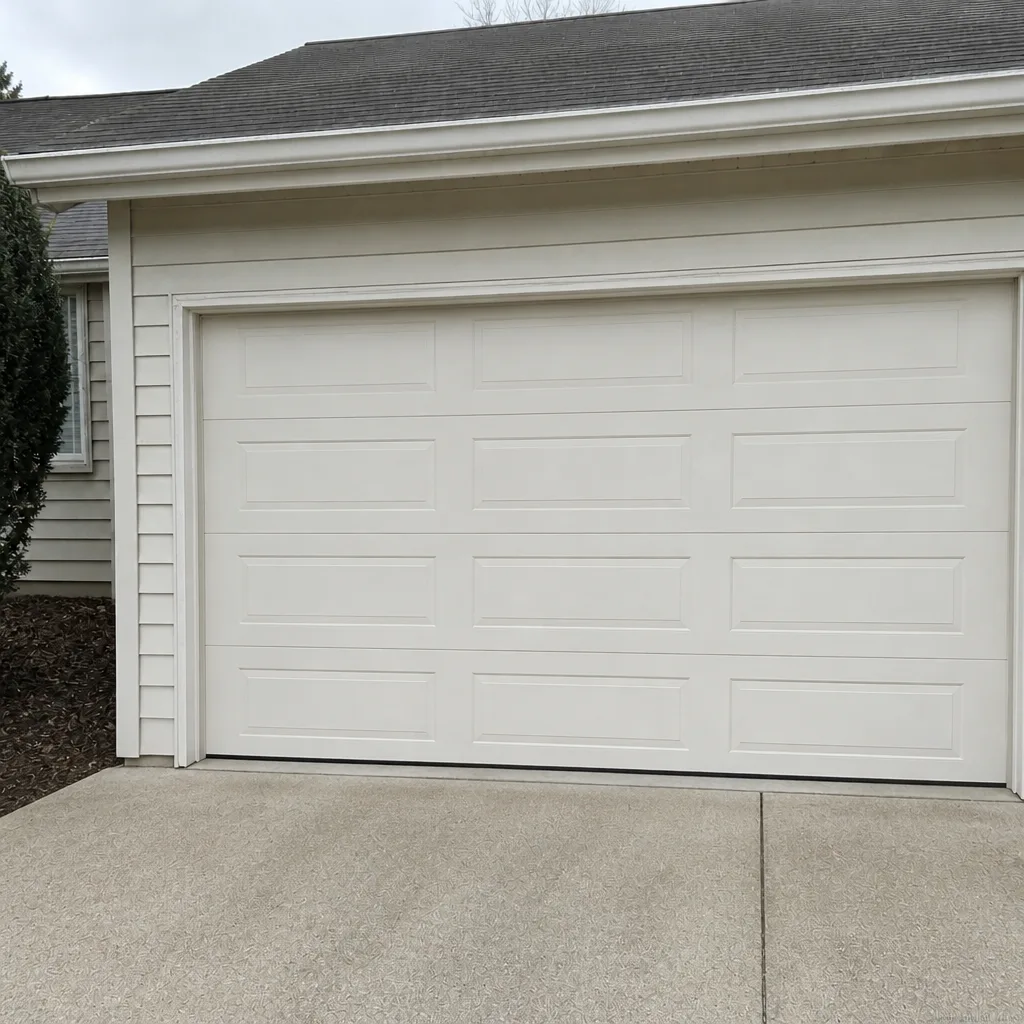 After
When to Call a Professional
Call a specialist when you’re not sure whether a repair is needed or a replacement is justified, when the door has become uneven or slow, when the opener seems to struggle with the door, or when the door hasn’t been serviced in years and the springs are making noise. Also call when you’ve decided on a replacement and want a fair written estimate: a free measure and a written price beats a showroom guess every time. Our technicians have up to 8 years of experience and service the brands we’ve covered here. Bramble Garage Door Repair offers free estimates in Rockford – call (855) 758-5321. We answer 24/7. Fast dispatch from 7am to 7pm, Sunday through Friday.
Frequently Asked Questions
The best brand for a Rockford home is the one that offers at least 24-gauge steel, polyurethane insulation in the R-12 to R-16 range, and local parts availability. Clopay, Amarr, and Wayne Dalton all meet those criteria for most homes, with CHI and Raynor filling specific niches. The brand name matters less than the model’s gauge and insulation. Call (855) 758-5321 for a free estimate.
24-gauge is better for a high-use door. Lower gauge numbers mean thicker steel, so a 24-gauge door resists dents, panels, and finish problems better than 25-gauge. A 25-gauge door is a reasonable budget option for a lightly used door but shows wear sooner on a busy Rockford driveway. The written estimate should state the gauge on the model you’re quoted.
Not necessarily, but they need to be rated to work together. The critical match is the opener’s rated lift capacity to the door’s weight, and the two brands’ warranty terms should both allow the pairing. A heavier, better-insulated door often needs a stronger or belt-drive opener. LiftMaster, Chamberlain, and Genie all make openers that pair well with the major door brands we service.
Yes, if the brand has a local parts network. Clopay, Amarr, Wayne Dalton, and CHI all have sources in the Rockford area, and Raynor is generally available. Craftsman panel matches can take longer because the brand is less common on current doors. Ask the technician how quickly they can source a spring, hinge, or panel before you commit to a repair.
Ask for the model number in writing before you sign. A builder-grade door is usually 25-gauge, uninsulated or polystyrene, and uses lighter hardware. A mid-tier door is usually 24-gauge or thicker, polyurethane-insulated, and uses upgraded hardware. The written estimate should name the model, gauge, and R-value, and the price on that estimate is the price you pay.
We don’t publish ranges because the right price depends on the door, opener, and hardware in your specific setup. What we can tell you is that the estimate is free, the price is set per job by the written estimate, and you’ll get the exact price quoted and agreed before any work starts. Call (855) 758-5321 for an exact quote. We answer 24/7.
The Bottom Line
The best garage door brand for your Rockford home isn’t the one ranked highest by national review sites. It’s the one that fits your opening, performs in a freeze-thaw climate, and has parts you can get locally. Look for 24-gauge or thicker steel, polyurethane insulation in the R-12 to R-16 range, and a real local parts network. Match an opener rated to the door’s weight, and ask the model number in writing before you sign. Clopay, Amarr, Wayne Dalton, CHI, and Raynor all meet those criteria for most Rockford homes. When you’re ready for a free measure and a written price, call a specialist.
Garage doors are all we do, and we work on the brand you already have. Call Rockford‘s garage door specialist at (855) 758-5321 for a free estimate. We answer 24/7. Fast dispatch from 7am to 7pm, Sunday through Friday. The estimate is free, and the price is quoted and agreed before any work starts.
Written by the team at Bramble Garage Door Repair.