
Last updated November 16, 2026
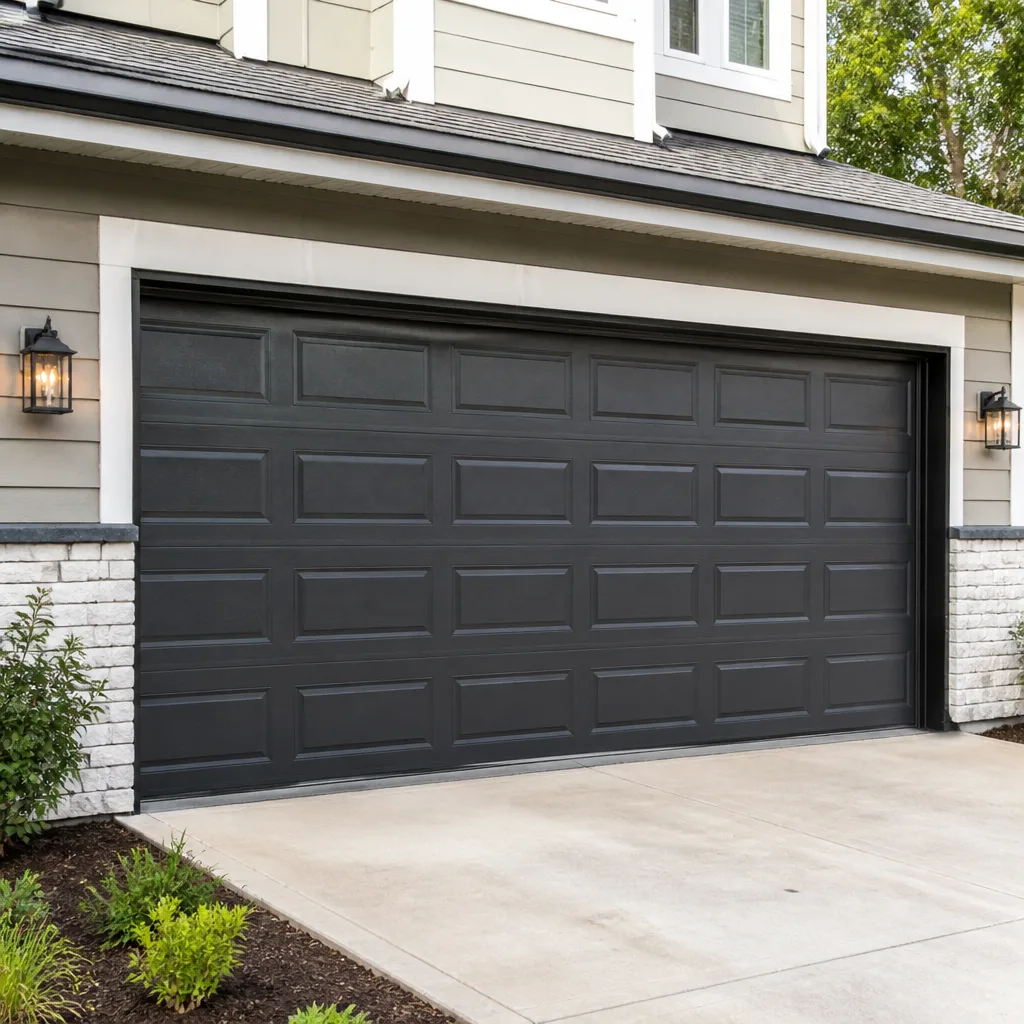 Raised-panel steel
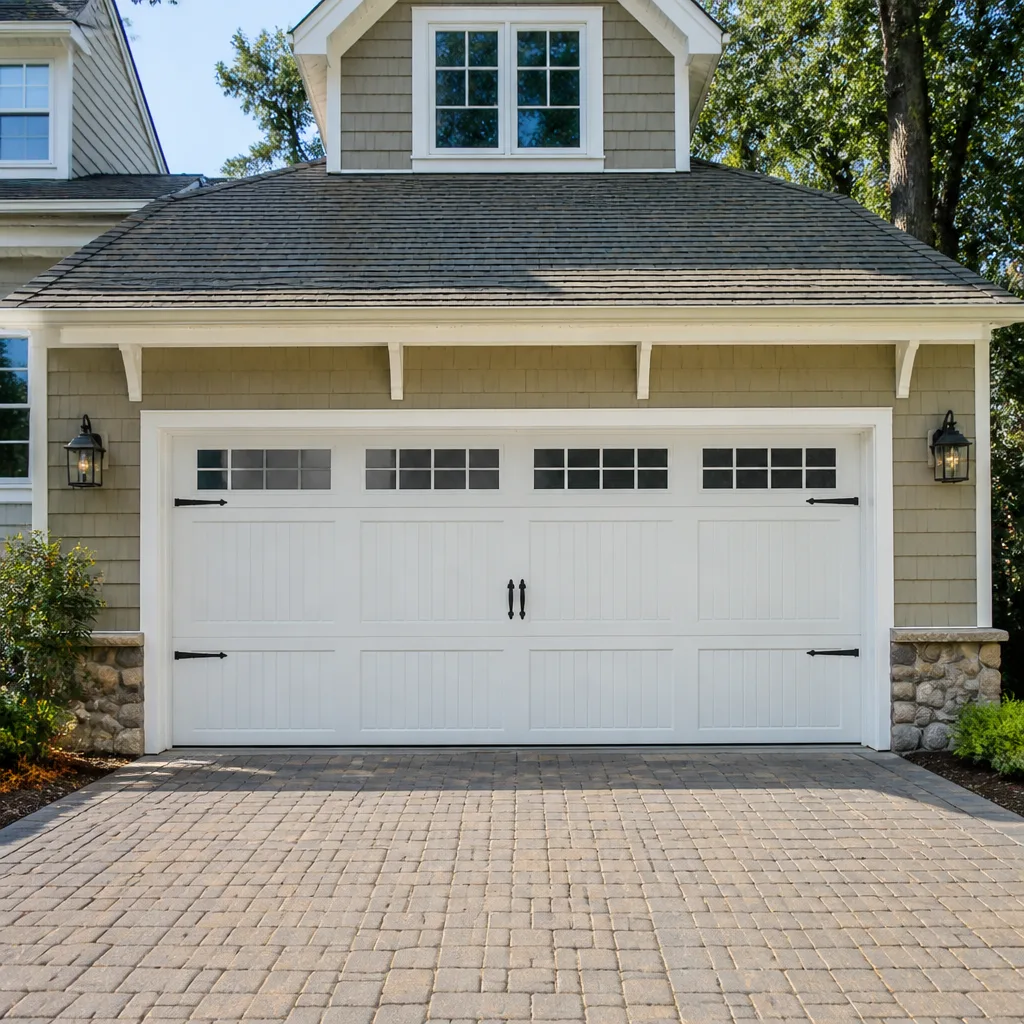 Carriage house
 Modern flush
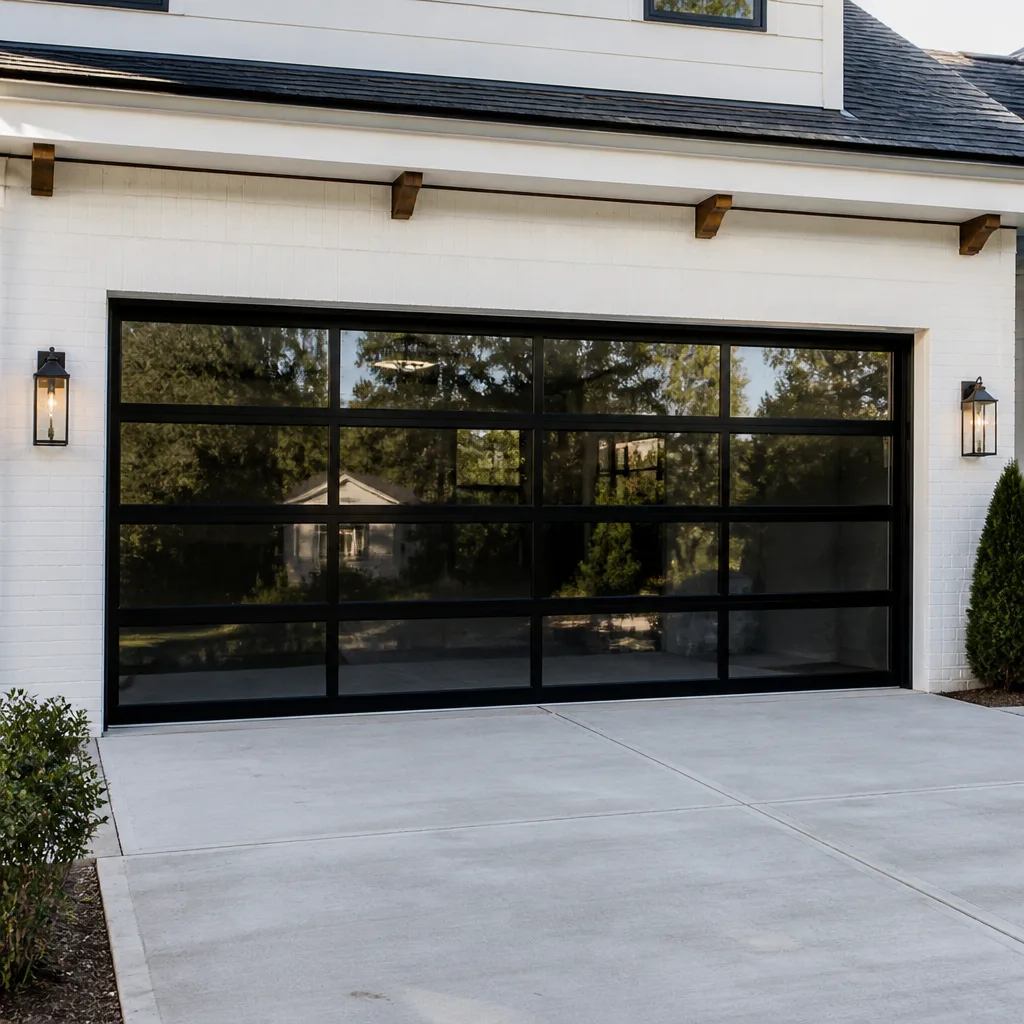 Full-view glass
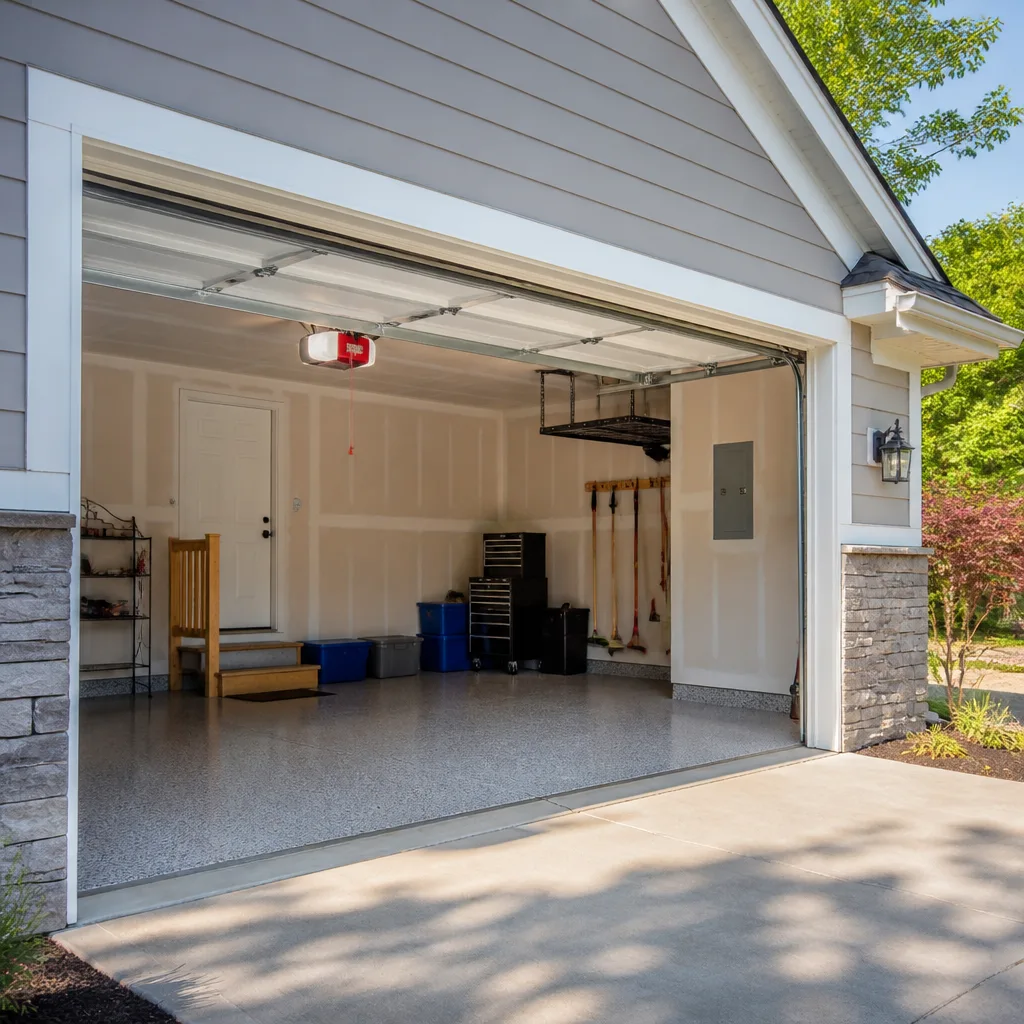 LiftMaster openers
 Chamberlain openers
Full 25-point door and opener safety check with every visit - springs, cables, rollers, tracks, and your LiftMaster or Chamberlain opener included
You get a price before we start. It does not change when the pro arrives.
Get your free estimateGarage Door Permits, Codes & Inspections in Rockford, IL: What You Need to Know
Most homeowners treat a garage door permit as red tape – something to skip when nobody’s watching. Then the house goes on the market, the buyer’s inspector notes that the replacement door on the attached garage was never signed off, and a closing stalls over paperwork that should’ve taken one phone call. In Rockford, the split between “permit required” and “ordinary maintenance” isn’t always obvious, and the shortcuts that pass a quick glance don’t always pass inspection. This guide walks through which jobs need a permit, what Illinois and City of Rockford rules ask of your door and opener, how the process actually runs, and how unpermitted work can follow you to the closing table.
Quick Answer
In Rockford, replacing a garage door or installing a new opener generally requires a building permit when it involves structural changes, new electrical work, or fire-rated assemblies on an attached garage; routine repairs like spring replacement, cable work, roller swaps, and track adjustment are treated as maintenance and don’t. Permits are pulled through the City of Rockford’s building department, usually by the contractor doing the work, and the homeowner is ultimately responsible for making sure the sign-off happens. The final word on any specific job belongs to the city, so a quick call to the building department before work starts settles it.
Styles & brands we work with
- Raised-panel steel
- Carriage house
- Modern flush
- Full-view glass
- LiftMaster openers
- Chamberlain openers
Table of Contents
- Which Garage Door Projects Need a Permit in Rockford?
- Illinois and Rockford Code Requirements That Affect Your Door
- How the Permit Process Actually Works
- What a Code-Compliant Installation Looks Like (and the Shortcuts That Fail)
- How Unpermitted Work Affects Insurance and Home Sales in Illinois
- Why Rockford’s Climate Raises the Stakes on Doing It Right
- Common Mistakes to Avoid
- Frequently Asked Questions
Which Garage Door Projects Need a Permit in Rockford?
The short version: structural replacement usually needs a permit, and repair almost never does. The line between the two is where most of the confusion lives, so it’s worth walking through the common jobs one at a time.
Jobs that typically require a permit
- Full door replacement. Swapping out a complete garage door assembly involves the opening, the header, the track mounting, and the torsion or extension spring system. That’s structural work, and it’s usually reviewed.
- New opener installation with new wiring. If the job adds a new circuit, runs new wire through the garage, or installs a new outlet for the opener, that’s electrical work and triggers a permit.
- Replacing a fire-rated door on an attached garage. Fire separation between an attached garage and the living space is a life-safety detail, and any change to that assembly is inspected.
- Changing the size of the garage door opening. Widening or raising an opening means cutting into the header and reframing, which is structural and always reviewed.
- Converting a garage door opening into a wall or a window. Closing up an opening changes the envelope and the structural load path.
Jobs that are usually treated as maintenance
- Torsion and extension spring replacement (the most common garage door repair in Rockford, and almost never permitted).
- Cable, drum, roller, and hinge replacement.
- Track straightening and re-alignment.
- Panel replacement on a door where the structural opening isn’t touched.
- Opener repair, remote and keypad programming, and replacing an opener on existing wiring.
- Weatherstripping and bottom seal replacement.
Two quick notes. First, replacing an opener on existing wiring is different from adding new wiring – the second is a permit job and the first usually isn’t. Second, a repair that turns into more than a repair is the classic gray area. If a technician opens up a track and finds the header is out of level, that’s the moment to ask the city rather than press on.
Rockford’s housing stock spans a wide range, from older bungalows on the west side to newer builds out toward the east. Older homes often have narrower single-car openings or non-standard sizes, and older wiring in the garage. Those details matter because they’re the exact spots where “just replacing a door” becomes a permit job. If you’re not sure, ask the city’s building department before anyone cuts anything. We walk Rockford homeowners through this routinely, and it’s a two-minute conversation that prevents expensive surprises.
Illinois and Rockford Code Requirements That Affect Your Door
Illinois doesn’t publish a single statewide garage door code – the rules live at the local level, which means the City of Rockford adopts and enforces building codes that govern how your garage door and opener are installed. What that means in practice is that the installer has to know the local rules, not just the manufacturer’s spec sheet. If you’re working on your own door or hiring it out, these are the requirements that come up most often.
Fire separation on attached garages
An attached garage shares at least one wall with the living space, and building codes require a fire-rated separation between the two. In many older Rockford homes that separation is a drywall assembly or a specific door standard, and changing the garage door or the header around it can affect that rating. If your garage is attached and the current door isn’t rated, that’s a conversation to have with the city inspector before replacement, because it may mean a different door spec than the one you were planning.
Insulation and R-value on garage doors
Rockford’s winters are cold and long, and insulated garage doors are the practical answer for anyone whose garage shares a wall with the house or has living space above it. Local code may set a minimum R-value on the door in some assemblies, particularly where the garage sits under conditioned space. Ask the building department what the current requirement is for your address – and see the climate section below for why insulation matters more here than in, say, a mild southern market.
Opener safety standards
Residential openers are required to include two safety features: an auto-reverse mechanism that responds to contact, and a photoelectric eye system that reverses the door when something crosses the beam. Modern openers from brands like LiftMaster, Genie, Chamberlain, and Craftsman all ship with these. Older openers often don’t, and if a pre-1993 opener is still on the door, that’s both a safety gap and a possible compliance issue at inspection. If your opener predates the safety-eye requirement, replacing it is the simpler path than trying to retrofit something that was never designed for it.
How the Permit Process Actually Works
The permitting process itself is straightforward once you know the order of operations. In Rockford, permits are filed through the City of Rockford’s building department, with the usual steps below. The timeline varies with the city’s current workload and how complete the paperwork is; the fees are set by the city’s fee schedule, so ask the building department for the current number rather than going off a website.
- Confirm whether a permit is required. A phone call to the building department is the fastest way. Describe the project in plain terms: full replacement, opener with new wiring, fire-rated door change, or repair. They’ll tell you yes or no for your specific address.
- Decide who pulls the permit. In most residential work, the contractor pulls it. The homeowner can pull it too, but then the homeowner is on the hook for the inspection and the corrections. In practice, if you hire a professional installer, they should be willing to handle the permit as part of the job – ask before you sign anything.
- Submit the application with the project scope. The application asks for the door spec, the opener spec if it’s part of the job, and sometimes a manufacturer’s product data sheet. Contractors who do this regularly keep that paperwork ready to file same day.
- Get the permit issued. Once issued, the permit needs to be posted at the job site, usually visible from the street or the garage interior.
- Schedule the inspection after the work is done. The inspector looks at the installation, the anchoring, the door operation, the opener safety features, and the fire separation if it applies. Anything that fails gets a correction notice and a re-inspection.
- Get the sign-off and keep the paperwork. This is the step most homeowners forget. The final inspection record is what proves the work was permitted and inspected when you sell the house.
How long does the permit take in Rockford?
Simple residential permits for a garage door replacement usually move quickly once the application is complete, but the exact turnaround depends on the city’s queue that week. A realistic planning window is a few business days to a couple of weeks, and the inspection typically follows within days of the request. Ask the building department for a current estimate when you file – it changes with staff load and season.
Who pulls the permit – homeowner or contractor?
Either can, but the contractor is the better choice in most residential cases. The contractor knows the inspection checklist, has the product documentation, and is the one whose work is on the line. When a homeowner pulls the permit, the responsibility for corrections and re-inspections sits with the homeowner, even if the contractor did the work. That’s a mismatch worth avoiding. Ask any installer you hire: “Do you pull the permit, or do I?” If the answer is “neither, it doesn’t need one,” get that in writing from the city, not from the contractor.
What a Code-Compliant Installation Looks Like (and the Shortcuts That Fail)
An inspection looks at a handful of specific things, and the shortcuts that fail are almost always the same shortcuts. Here’s what a compliant install has, and what an inspector will flag if it doesn’t.
What a compliant install includes
- Correct anchoring into the framing, not just the drywall. The tracks and header brackets have to lag into solid wood, not drywall or a hollow door jamb.
- Level tracks and a balanced door. The door should operate smoothly by hand, without binding, before the opener is even connected.
- Correct spring type and tension for the door weight. Door weight and spring rating have to match. Reusing the old springs on a new door of a different weight is a common and dangerous shortcoming.
- Working auto-reverse and safety-eye system. The opener must reverse on contact and on a beam interruption. The eyes are mounted at the correct height and aimed at each other.
- Manual release that actually works. The red release cord has to be reachable and functional, and its pull must not be blocked by the opener rail or a storage shelf.
- Fire-rated assembly intact on an attached garage. The door, framing, and drywall all have to preserve the fire separation the code requires.
- Proper weather sealing around the opening. Bottom seal, side seals, and top seal in good condition, especially in a Rockford winter.
The shortcuts that fail inspection
- Anchoring the track into drywall or a hollow jamb because the framing wasn’t where the installer expected it.
- Leaving the opener’s safety-eye system disconnected or wired wrongly because the eyes had been tripping on a low-clearance beam.
- Reusing old springs on a new door of a different weight, which shortens spring life and can fail dramatically.
- Removing or lightly patching fire-rated drywall between the garage and the house to make room for a new door header.
- Installing an insulated door with a lower R-value than the city requires on a wall with living space behind it.
- Installing the new door and skipping the final inspection, then telling the homeowner the paperwork is “on file.”
An unqualified installer can pass every one of those shortcuts on a walkthrough and have them flagged within five minutes of an inspection. That’s the gap between a working door and a compliant one – and it’s the gap that comes back to bite at resale. If you want an honest second opinion on a door that was recently replaced, we’ve walked Rockford homeowners through the checklist before they call the city. garage door repair covers the parts and labor side of what a door needs, while the permit side is purely about whether the work is documented correctly.
How Unpermitted Work Affects Insurance and Home Sales in Illinois
Unpermitted garage door work doesn’t stay a paperwork problem – it tends to surface at the two worst moments: a claim or a closing. Here’s how each plays out.
Homeowners insurance
Your policy covers the door as part of the structure, and it covers damage caused by a covered event (wind, hail, a fire that involved the garage). What it doesn’t do is make the city accept unpermitted work, and in some cases a claim adjuster will ask whether the assembly was inspected and permitted. If the answer is no, the claim can get complicated – not because the door isn’t covered, but because the insurer’s adjuster now has to decide whether the loss is related to an unpermitted installation. A door that was installed with a permit and inspected has a documented record. A door that wasn’t has none, and the conversation gets longer and less favorable.
Illinois real estate disclosure
Illinois sellers complete a residential property disclosure statement, and that statement asks about known conditions and unpermitted work in the home. Answering truthfully is the safest path; answering “no” when there’s unpermitted work in the garage is the kind of thing that surfaces later, and when it does, it can undo a sale or trigger a legal problem after closing. In practice, most sellers find out about the unpermitted door when the buyer’s inspector flags it – not before.
What a buyer’s inspector looks for
- Whether the door operates smoothly and the opener reverses on contact and on beam interruption.
- Whether the springs match the door weight.
- Whether the tracks are anchored into framing.
- Whether the fire separation on an attached garage is intact.
- Whether the permit record exists for any recent replacement or new opener.
If an inspector flags the door, you have two paths: pull a retroactive permit and get the work inspected after the fact (not always possible, and it depends on the code at the time of the original work), or replace the assembly with a permitted, inspected installation. The second is often the cleaner long-term answer, and it’s the one a buyer’s agent will usually push for.
Why Rockford’s Climate Raises the Stakes on Doing It Right
Rockford sits in northern Illinois, and the winters are the kind that find every shortcut in a garage door installation. Long stretches below freezing, freeze-thaw cycles at the door seal, wind-driven snow against the bottom seal, and the humidity of a hot July all hit the same moving parts. A door that was anchored into drywall in a mild climate will still cause problems eventually; in a Rockford winter, it causes problems in the first cold snap.
What that means for insulation and sealing
An insulated door is a strong choice for any Rockford home with living space above or beside the garage – and a code requirement in some assemblies. The bottom seal matters just as much. When a bottom seal is worn or a track is a fraction out of level, the gap that opens up in January is a cold draft into the house and a spot for snow to work its way under the door. The door may still open and close, so the problem goes unnoticed until the heating bill goes up or the door gets stuck in a hard freeze.
What that means for springs and openers
Cold weather is hard on torsion springs. The metal gets more brittle below freezing, and a spring that was close to the end of its life has a way of failing in the first cold morning of the year. That’s why spring replacement on a Rockford door is usually scheduled in late fall rather than in February. Openers get harder use in winter too: the door is heavier to lift when the seals are frozen and the springs are cold-stiff, and an opener that was already straining will start failing at the worst possible time. Cold is why we recommend having the door, the springs, and the opener looked at together rather than one at a time – they’re a single system, and cold stresses all of it at once.
Do You Need a Permit to Replace a Garage Door in Rockford?
Yes in most cases, when a full door assembly is being replaced, because replacement involves structural anchoring, spring work, and often a fire-rated assembly on an attached garage. A repair to the existing door – spring, cable, roller, track, or opener – is usually maintenance and doesn’t need a permit. There are exceptions in both directions, so the reliable answer comes from the City of Rockford’s building department for your specific address. We help Rockford homeowners figure out which category their job falls into before anyone cuts into the opening. Call (855) 758-5321 for a free estimate – we’ll tell you what the work involves and whether a permit is the next step.
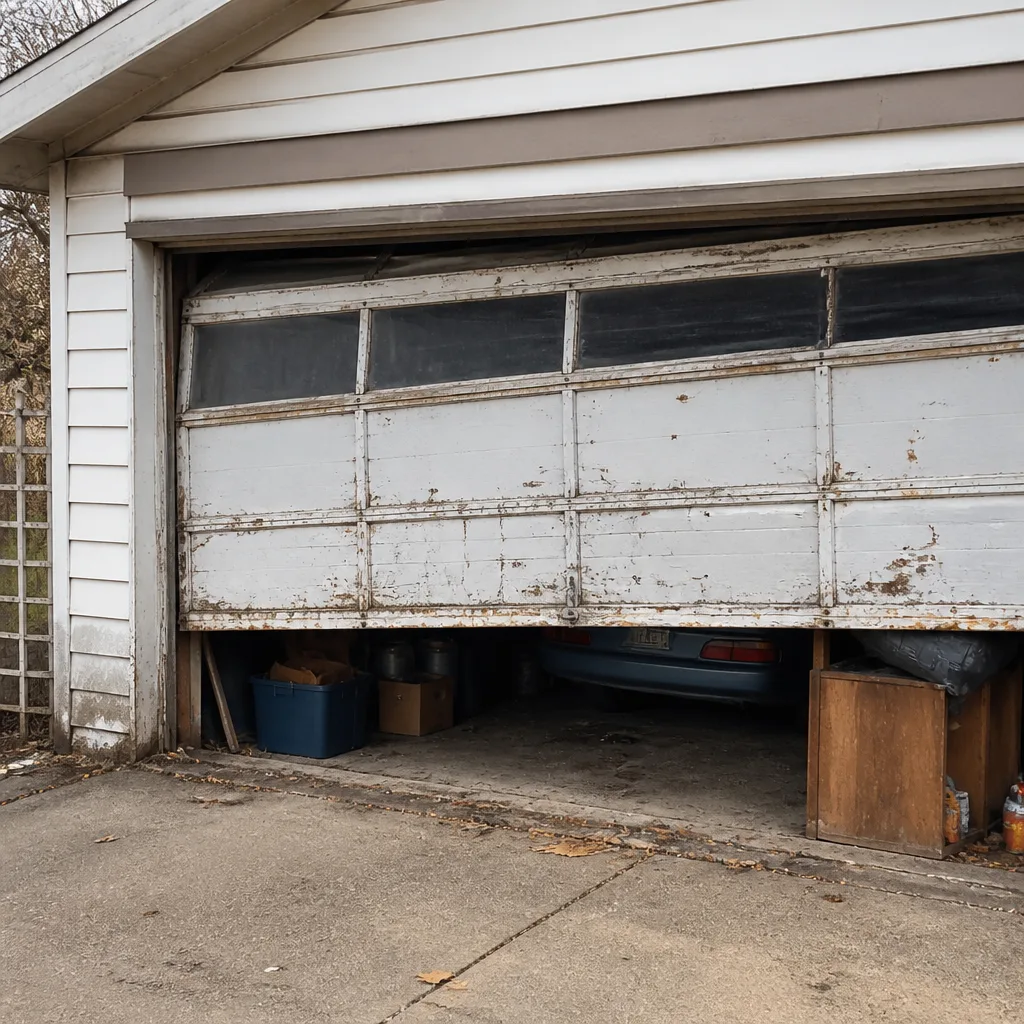
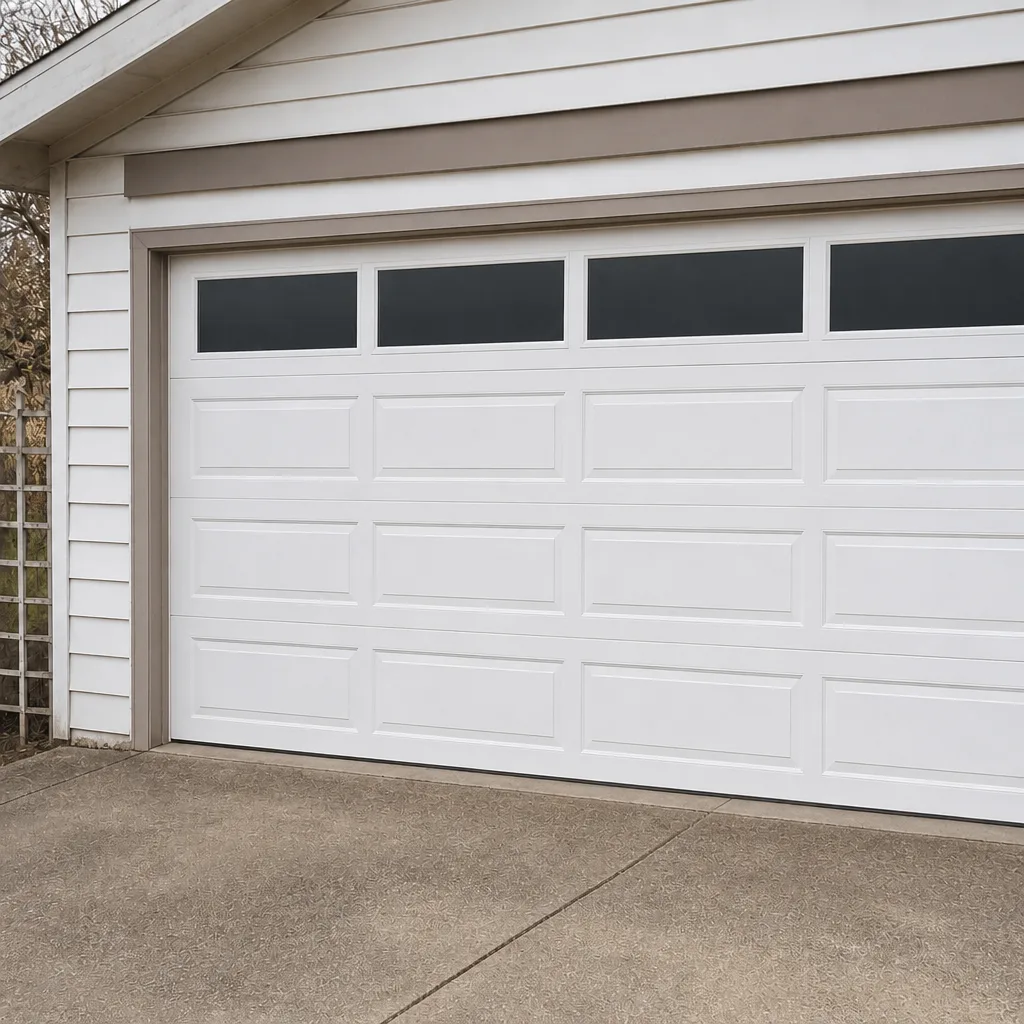
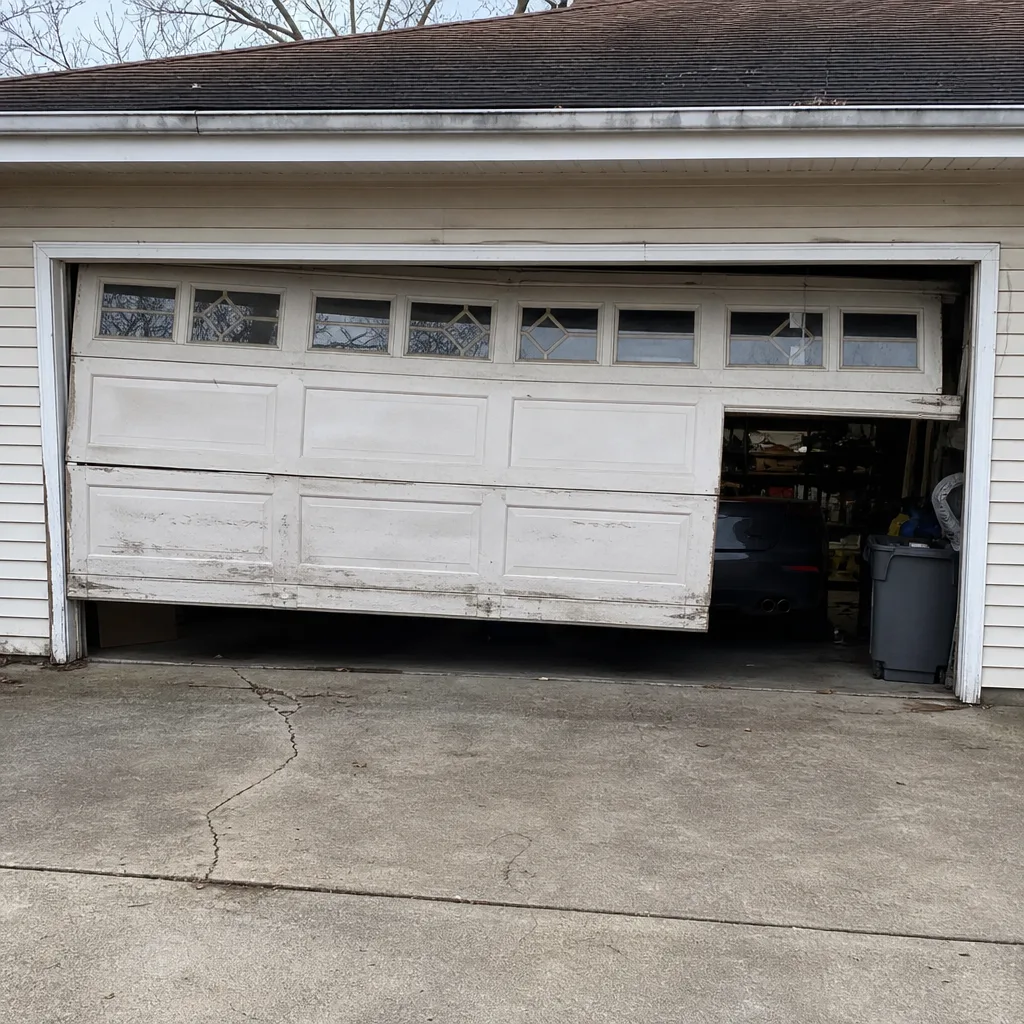
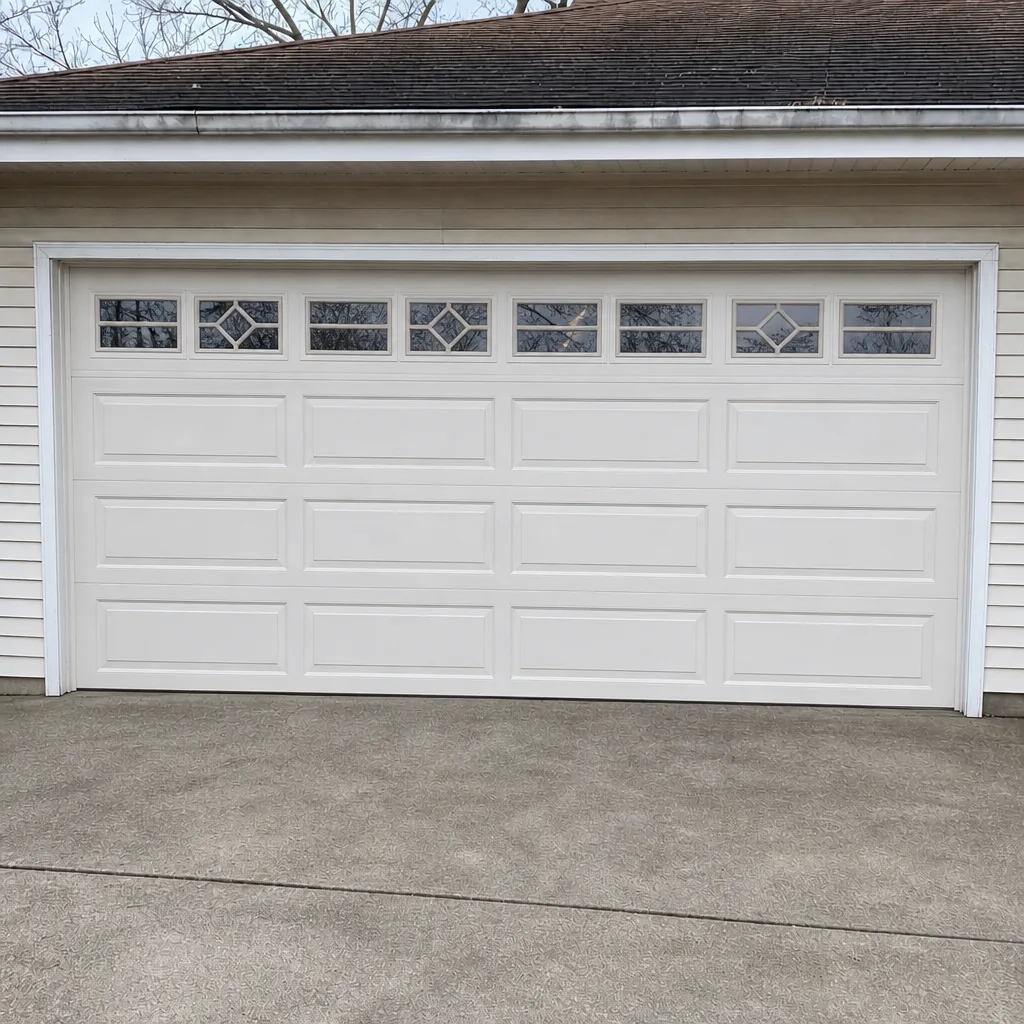
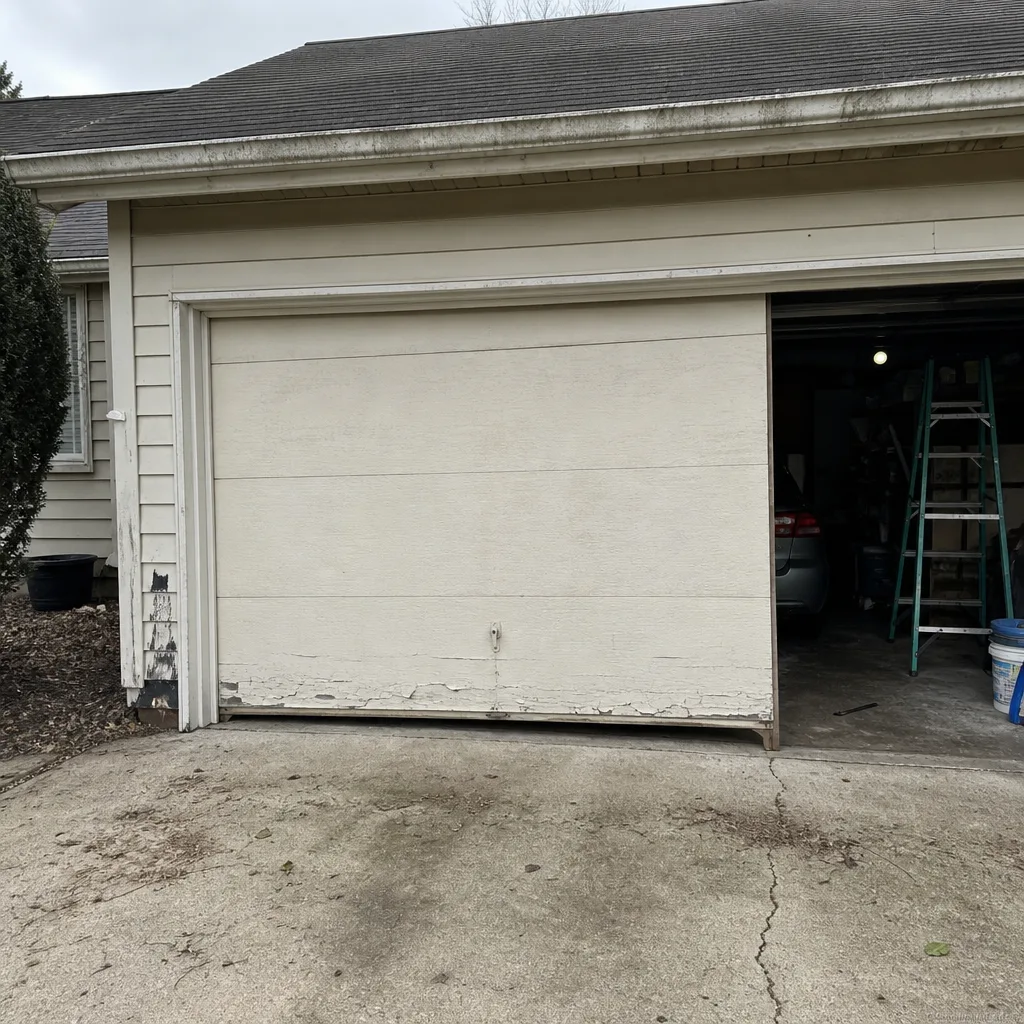
See the difference
 Before
 After
 Before
 After
 Before
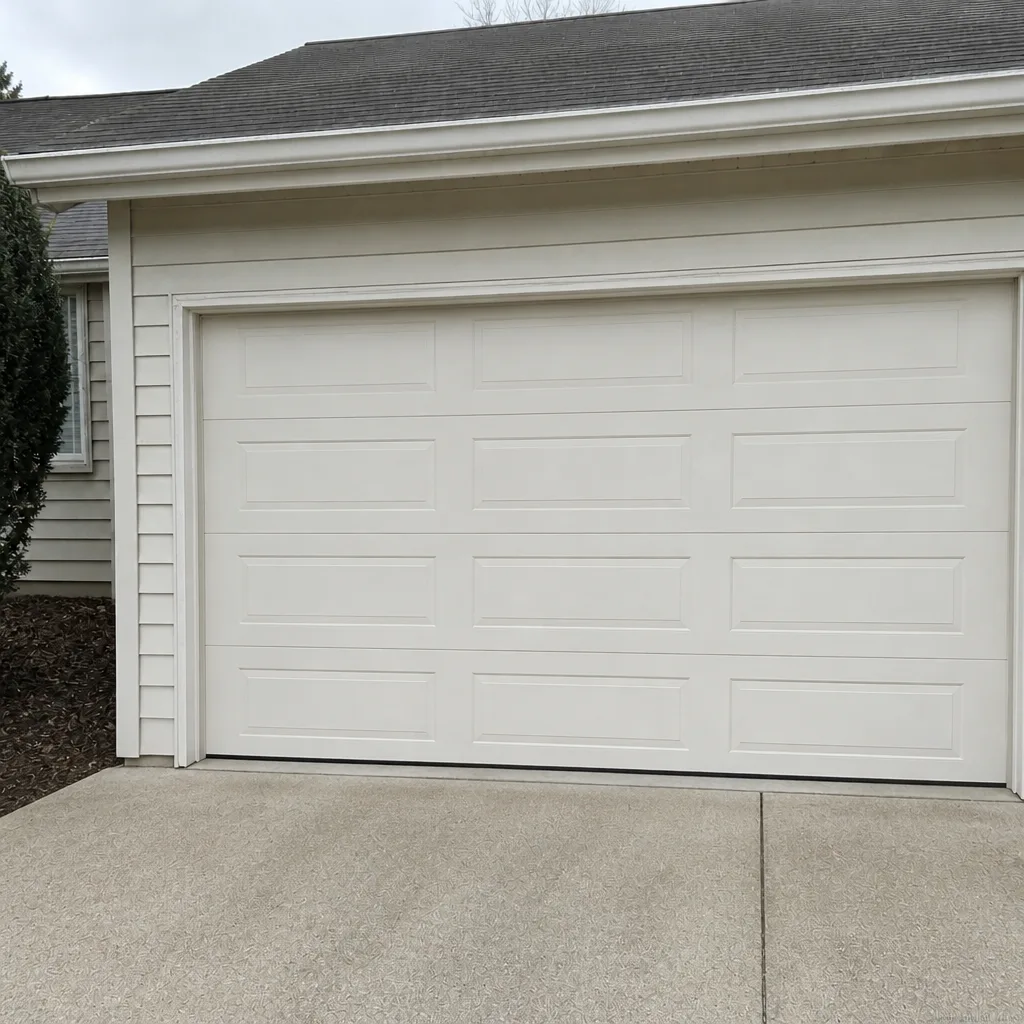 After
Common Mistakes to Avoid
- Assuming “replacement” means “no permit.” A full door assembly swap on an attached garage is usually a permit job, and skipping it shifts the risk to inspection time. Ask the city before you schedule the install.
- Letting the installer talk you out of a permit. A contractor who says “it doesn’t need one” without confirming with the building department is telling you what’s convenient, not what’s true. Get the answer from the city in writing.
- Pulling the permit yourself and then handing the work to a contractor. When the homeowner pulls the permit, the homeowner owns the corrections and re-inspection. The contractor should be the permit holder on work they perform.
- Reusing old springs on a new door. A common shortcut to save a few dollars, and one of the fastest ways to fail inspection. Springs are matched to door weight, and old springs on a new door aren’t.
- Skipping the final inspection. A permit issued but never signed off is worse than no permit at all in buyer conversations, because it shows the work was supposed to be inspected and wasn’t. Get the sign-off and keep the record.
- Downloading a fire-rated door spec from a national site instead of asking the city. Rockford’s requirements are local, and what’s acceptable in Texas may not be what’s required for an attached garage here. Ask the building department for the current requirement.
- Waiting until the closing to sort out the paperwork. If you’re selling a Rockford home in the next year and the garage door was replaced at any point, pull the permit record now rather than the week before closing. It’s a much easier fix ahead of time.
When to Call a Professional
Some garage door work is safe to handle on your own – programming a remote, replacing weatherstripping, wiping down a track. Everything else that involves the springs, the cables, the structural anchoring, or the electrical side of the opener is a job for a trained technician. High-tension springs and cables store enough energy to cause serious injury, and the moment you’re working around them is the moment to stop. Call a professional if the door is out of balance, if the springs look or sound wrong, if the opener reverses without an obstacle, if the door came off the track, if new wiring is part of the job, or if any part of the work requires a permit and an inspection. Bramble Garage Door Repair offers free estimates in Rockford – call (855) 758-5321 and we’ll tell you what the job involves, whether a permit is part of it, and what a fair price looks like.
Frequently Asked Questions
In most cases, yes – a full garage door replacement on an attached garage is usually a permit job because it involves structural anchoring, spring work, and often a fire-rated assembly. A repair on the existing door (springs, cables, rollers, tracks, opener) is usually maintenance and doesn’t need a permit. Confirm with the City of Rockford’s building department for your address before work starts. Call (855) 758-5321 for a free estimate – estimates are free and we’ll tell you which side of the line your project falls on.
It depends on whether the job adds new wiring. Replacing an opener on existing wiring is usually maintenance and doesn’t need a permit; installing a new opener with a new circuit or new wire run through the garage is electrical work and usually does. Ask the building department which case applies to your install, and if a permit is needed, the installer should pull it. Call (855) 758-5321 for an exact quote – estimates are free.
The contractor is the better choice in most residential jobs, because they know the inspection checklist and own the work. A homeowner can pull the permit, but then the corrections and re-inspection sit with the homeowner even if the contractor did the work. Ask any installer you hire whether they pull the permit, and get it in writing. Call (855) 758-5321 if you want to talk through what the job involves first.
The work is unpermitted, which usually surfaces at two moments: an insurance claim or a home sale. A buyer’s inspector may flag the door, and the Illinois residential property disclosure statement asks about unpermitted work, so answering truthfully is the safest path. The fix is usually a retroactive permit and inspection where possible, or a replacement with a properly permitted installation. Call (855) 758-5321 to talk through options – estimates are free.
Simple residential permits for a garage door replacement usually move quickly once the application is complete, though the exact turnaround depends on the city’s queue that week. A realistic planning window is a few business days to a couple of weeks, with inspection typically following within days of the request. Ask the building department for a current estimate when you file – it changes with staff load and season. Call (855) 758-5321 for a free estimate on the work itself.
Illinois doesn’t set a single statewide garage door code – the City of Rockford adopts and enforces the building codes that govern installation, including fire separation on attached garages, insulation requirements in some assemblies, and opener safety standards (auto-reverse and safety-eye systems). The specifics vary by assembly, so the reliable source for your address is the building department. Call (855) 758-5321 if you’d like to talk through what a compliant install includes.
It can complicate a claim, because the adjuster will ask whether the assembly was permitted and inspected. Your policy still covers the door as part of the structure, but a claim on unpermitted work takes a longer, less favorable path than one on a documented install. The safer approach is a permitted install and a kept sign-off record. Call (855) 758-5321 if you want a free estimate on bringing a door up to a compliant standard.
Spring replacement is treated as maintenance in Rockford and almost never needs a permit, even though it’s one of the most common garage door repairs. The exception is when the spring work is part of a full door replacement, in which case the permit covers the assembly. Even as maintenance, springs are dangerous – high-tension springs and cables store enough energy to cause serious injury, and a trained technician is the safe choice. Call (855) 758-5321 for a free estimate.
The Bottom Line
Garage door permits in Rockford come down to a simple line: full replacement, new wiring, and fire-rated doors on attached garages usually need one; repairs to springs, cables, tracks, rollers, and openers usually don’t. The permit itself is inexpensive and quick – the expensive part is skipping it. Unpermitted work rides along until a claim or a sale surfaces it, and by then the fix is more involved than it would’ve been at the start. Ask the City of Rockford’s building department before work starts, make sure the permit is pulled by the contractor doing the work, and keep the final sign-off with the house records. If you’re not sure what your door needs, that’s the conversation to have first. We work on the brand you already have and we’ll tell you what’s a repair, what’s a replacement, and what needs a permit – fast diagnosis, straight answer, right fix.
Whether you need a spring replaced, an opener diagnosed, or a replacement door installed on a permitted, inspected install, we’re the specialist to call for the work itself. Our technicians have up to 8 years of experience on the brands most Rockford homeowners already own – Genie, Clopay, Amarr, Wayne Dalton, and more. If you’d like an estimate before you file a permit, or help understanding what the city will require for your address, call (855) 758-5321 for a free estimate. We answer 24/7. Fast dispatch from 7am to 7pm, Sunday through Friday. For more on the services behind this guide, see Bramble Garage Door Repair and our Rockford service page, or if your opener is the problem, garage door opener repair covers the electrical and safety-eye side of that work.
Written by the team at Bramble Garage Door Repair.